Skip Navigation

Log In
  • Scientific Research
  • Training
  • Professional Development
  • Community
  • Advocacy and Outreach
  • Career Paths
  • Image of three blue squares stacked vertically to look like pages. Collections
  • Careers in Neuroscience
  • Community Discussion
  • image of an open book Read
  • image of a play button: a triangle inside a circle Watch
  • an image of a calendar with a check mark signifying events to attend Attend
  • image of a blue microphone Listen
  • Image of two overlapping dialogue bubbles. Discuss
  • About Neuronline
  • SfN Events Calendar
  • Community Leaders Program
  • FAQ
  • Write for Us
  • Contact Us
Neuronline logo
SfN's home for learning and discussion
  • image of an open bookRead
  • image of a play button: a triangle inside a circleWatch
  • an image of a calendar with a check mark signifying events to attendAttend
  • image of a blue microphone Listen
  • Image of two overlapping dialogue bubbles.Discuss
Log In
  • Scientific Research
  • Training
  • Professional Development
  • Community
  • Advocacy and Outreach
  • Career Paths
  • COLLECTIONS

Professional Development

Develop skills to help you advance in your career through resources on science communication, collaborations, lab management, grants, mentoring, networking, work-life balance, and more, developed for scientists at all career stages.
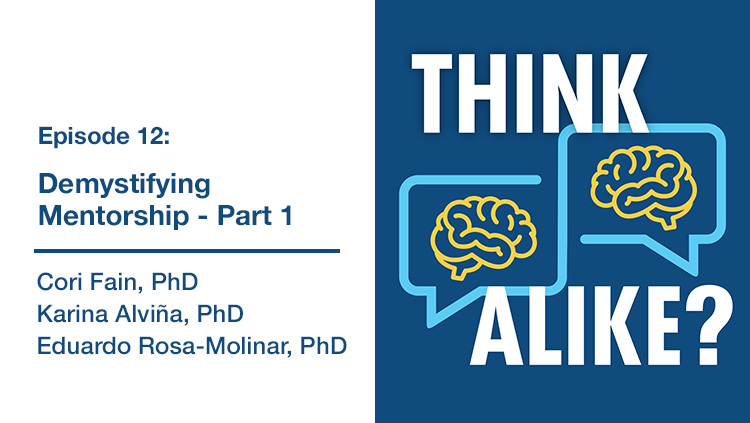
3_17_25 Publishing Thumbnail
Professional Development
The Benefits of Peer Review
March 17, 2026 12:00 PM - 1:00 PM EDT
NS6 attendees
Professional Development
Discussion: New Year, New Horizons: Navigating Neuroscience in 2026
Filter

Refine by

420 - 432 of 509
  • A female student reviews her notes wearing a scarf and holding a coffee cup.
    Four Reasons To Take Time Off Before Graduate School
    Aug 26, 2015
  • A hand writes notes during a lecture.
    Manage Your NIH Award With This Checklist
    Aug 26, 2015
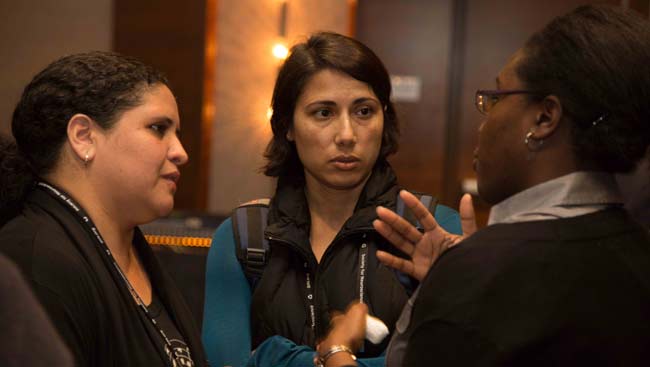
  • Two females having a discussion.
    New to Mentoring? Have a New Mentor? Don't Miss These Tips
    Aug 25, 2015
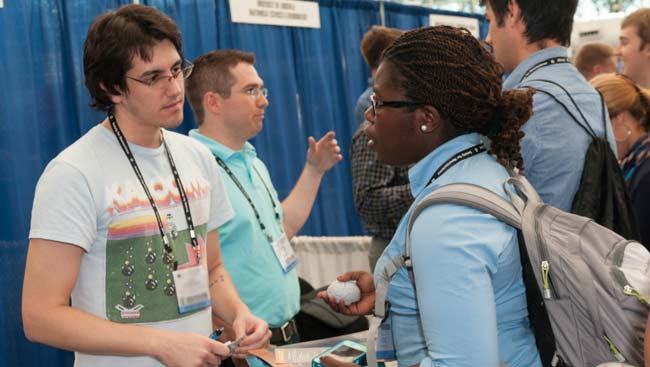
  • A female and male have a discussion.
    You've Completed Your IDP. Now What?
    Aug 25, 2015
  • Here's How to Effectively Mentor Diverse Students
    Here's How to Effectively Mentor Diverse Students
    Jul 22, 2015
  • Scientific Image
    "Beyond the Lab" With a Patent Attorney
    Aug 14, 2015
  • A male student listens to a lecture.
    "Good Advice Usually Comes for Free" and Other Insights To Help You Excel
    Aug 05, 2015
  • This image shows a neuroprogenitor culture used to study the effect of the phagocytic microglial secretome. Nuclei are shown in white (DAPI), progenitors in green (nestin), astrocytes in red (GFAP) and neuroblasts in magenta (doublecortin). Image credits: Irune Diaz-Aparicio.
    NSP Webinars 2021-2022
    Aug 03, 2015
  • Tracy Bale, PhD
    Success in Academia: Different Strategies for Different Stages
    Jul 23, 2015
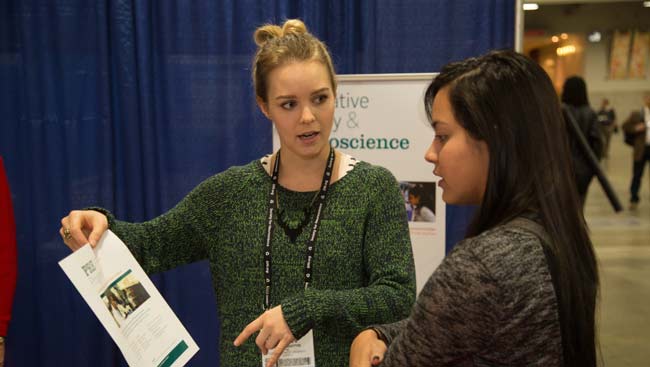
  • A male presents his scientific poster to a female colleague.
    Tips for Submitting Your NIH Grant Application
    Jul 15, 2015
  • Scientific Image
    Resume and CV Design: Tips for Graduate Students
    Jul 08, 2015
  • Scientific Image
    Embracing Change: How One Neuroscientist Took Charge of His Career Path
    Jul 01, 2015
  • Previous
  • 36
  • 37
  • 38
  • 39
  • 40
  • Next
Neuronline Collections
Neuronline's vast collection of professional development and training resources offers guidance for people at all career stages with diverse interests and responsibilities.

View Collections
Neuronline footer 10 year anniversary logo
  • About Neuronline
  • SfN Events Calendar
  • FAQ
  • Contact Us
  • Write for Us
  • Accessibility Policy
  • Disclaimer
  • Privacy Notice
SfN logo with "SfN" in a blue box next to Society for Neuroscience in red text and the SfN tag line that reads "Advancing the understanding of the brain and nervous system"
Follow SfN
  • BlueSky logo
  • Threads logo
  • X Logo
  • image of linkedin logo
  • Image of the Facebook logo
  • Image of the instagram logo
  • image of youtube logo
  • RSS symbol
1121 14th Street NW, Suite 1010, Washington, DC 20005 (202) 962-4000 | 1-888-985-9246

Copyright © Society for Neuroscience