



Filter
-
(133)
-
(734)
-
(4)
-
(1)
-
(47853)
-
(92)
-
(25)
-
(14)
-
(435)
-
(7)
-
(185)
-
(8)
-
(33)
-
(17)
-
(7)
-
(10)
-
(9)
-
(5)
-
(21)
-
(8)
-
(12)
-
(9)
-
(3)
-
(10)
-
(10)
-
(56)
-
(45)
-
(12)
-
(3)
-
(7)
-
(6)
-
(5)
-
(8)
-
(7)
-
(11)
-
(58)
-
(13)
-
(31)
-
(8)
-
(5)
-
(10)
-
(5)
-
(16)
-
(4)
6701 - 6710
of 52788 results
-
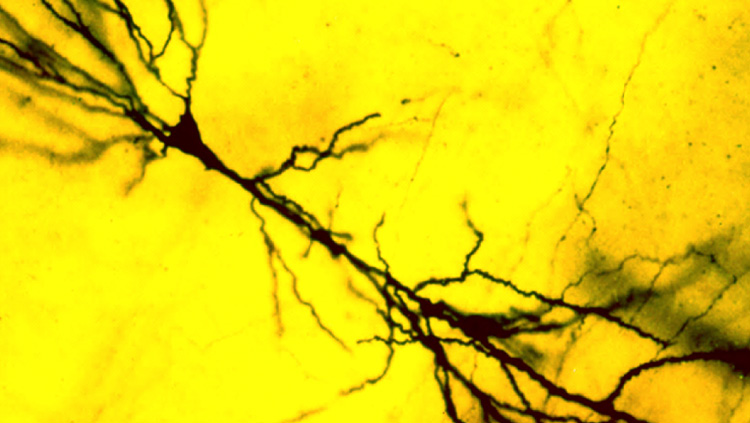 Scientific ResearchExplore resources and articles on mapping neural circuits and networks.
 -
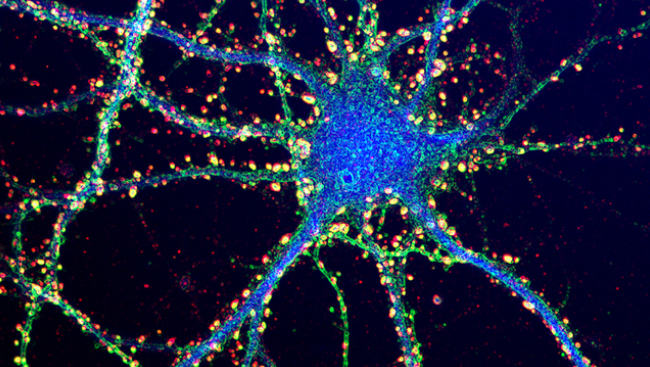 Video Professional DevelopmentThe following videos are from the 2014 LATP course held by UNAM.
 -
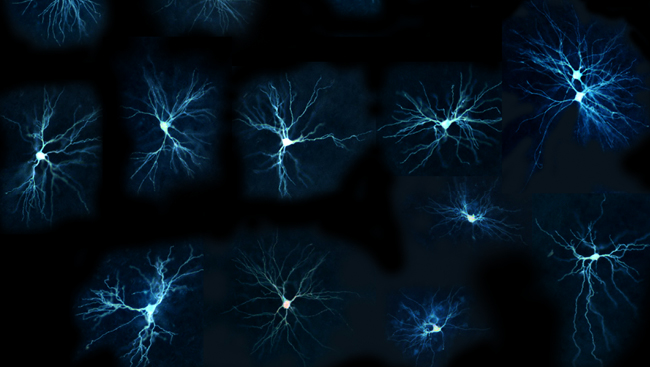 Professional DevelopmentThe Neuroscience Scholars Program is a two-year training program open to underrepresented graduate students and postdoctoral researchers. Building on over 30 years of historic engagement, the program supports annual travel awards, mentoring, and the professional development of up to 18 candidates known as NSP Fellows. All materials available in this archive are provided open access to the field and are supported by the National Institute of Neurological Disorders and Stroke (NINDS). The contents of this series are solely the responsibility of the Society for Neuroscience and do not necessarily reflect the official views of NINDS. Learn more about the Neuroscience Scholars Program.
 -
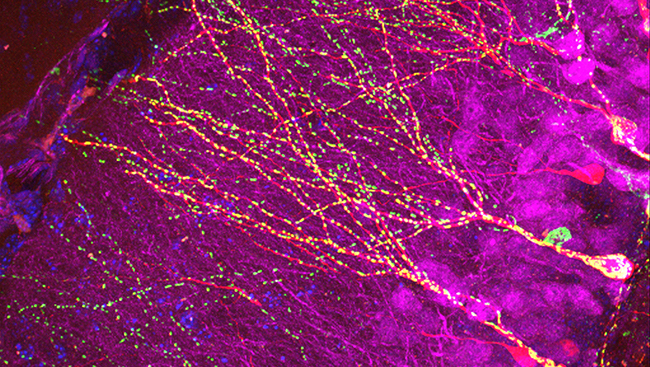 Professional DevelopmentThe Neuroscience Scholars Program is a two-year training program open to underrepresented graduate students and postdoctoral researchers. Building on over 30 years of historic engagement, the program supports annual travel awards, mentoring, and the professional development of up to 18 candidates known as NSP Fellows. All materials available in this archive are provided open access to the field and are supported by the National Institute of Neurological Disorders and Stroke (NINDS). The contents of this series are solely the responsibility of the Society for Neuroscience and do not necessarily reflect the official views of NINDS. Learn more about the Neuroscience Scholars Program.
 -
 Video Professional DevelopmentDuring the opening session of the conference, “From the Laboratory to the C-Suite: Reflections on Leadership From a Neuroscientist Turned College President,” Joanne Berger-Sweeney discusses the critical role that leadership plays with power dynamics, conflict resolution, time management, community engagement, and communication principles around promotion. The remaining conference sessions focus on leadership fundamentals, creating a professional profile, grant writing, and finding funding opportunities.
 -
 Professional DevelopmentThe Neuroscience Scholars Program is a two-year training program open to underrepresented graduate students and postdoctoral researchers. Building on over 30 years of historic engagement, the program supports annual travel awards, mentoring, and the professional development of up to 18 candidates known as NSP Fellows. All materials available in this archive are provided open access to the field and are supported by the National Institute of Neurological Disorders and Stroke (NINDS). The contents of this series are solely the responsibility of the Society for Neuroscience and do not necessarily reflect the official views of NINDS. Learn more about the Neuroscience Scholars Program.
 -
 Video Professional DevelopmentWelcome to the “Enhancing Neuroscientific Discovery Through Diverse Communities 2021” virtual event, developed by the Neuroscience Scholars Program (NSP). As a part of a multifaceted approach to increase connectivity during these difficult times, SfN is hosting this virtual conference for NSP Scholars, NSP Alumni, and members of other NSP partner programs including BRAINS, D-SPAN, MINDS, and SPINES.
 -
 You can contribute to a large-scale effort to increase awareness about issues facing women in academia. As an SfN member, you have access to a series of Increasing Women in Neuroscience (IWiN) toolkits and related resources that are adaptable for your use at your institution or local chapter meeting. Each toolkit contains a 30-minute presentation that focuses on specific gender retention issues, such as recruitment, hiring, promotion, and evaluation. The presentations highlight critical data, real-life success stories, practical strategies for breaking the cycle, and ready-to-use tools. The toolkits were adapted from live workshops and made possible through the NSF-funded Department Chair Training to Increase Women in Neuroscience program. Explore the toolkits and related resources here.




