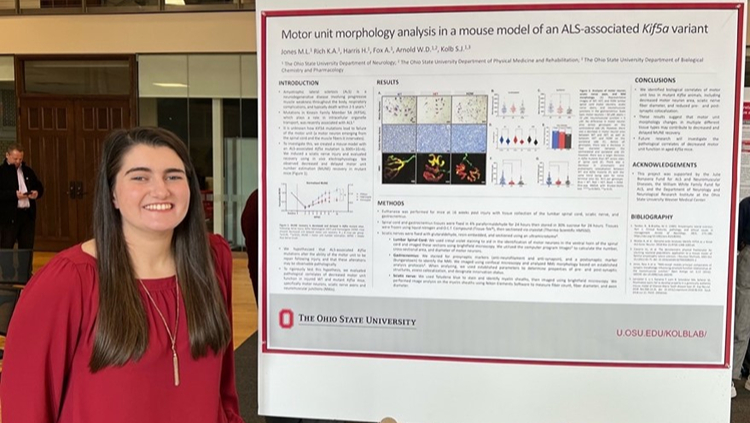
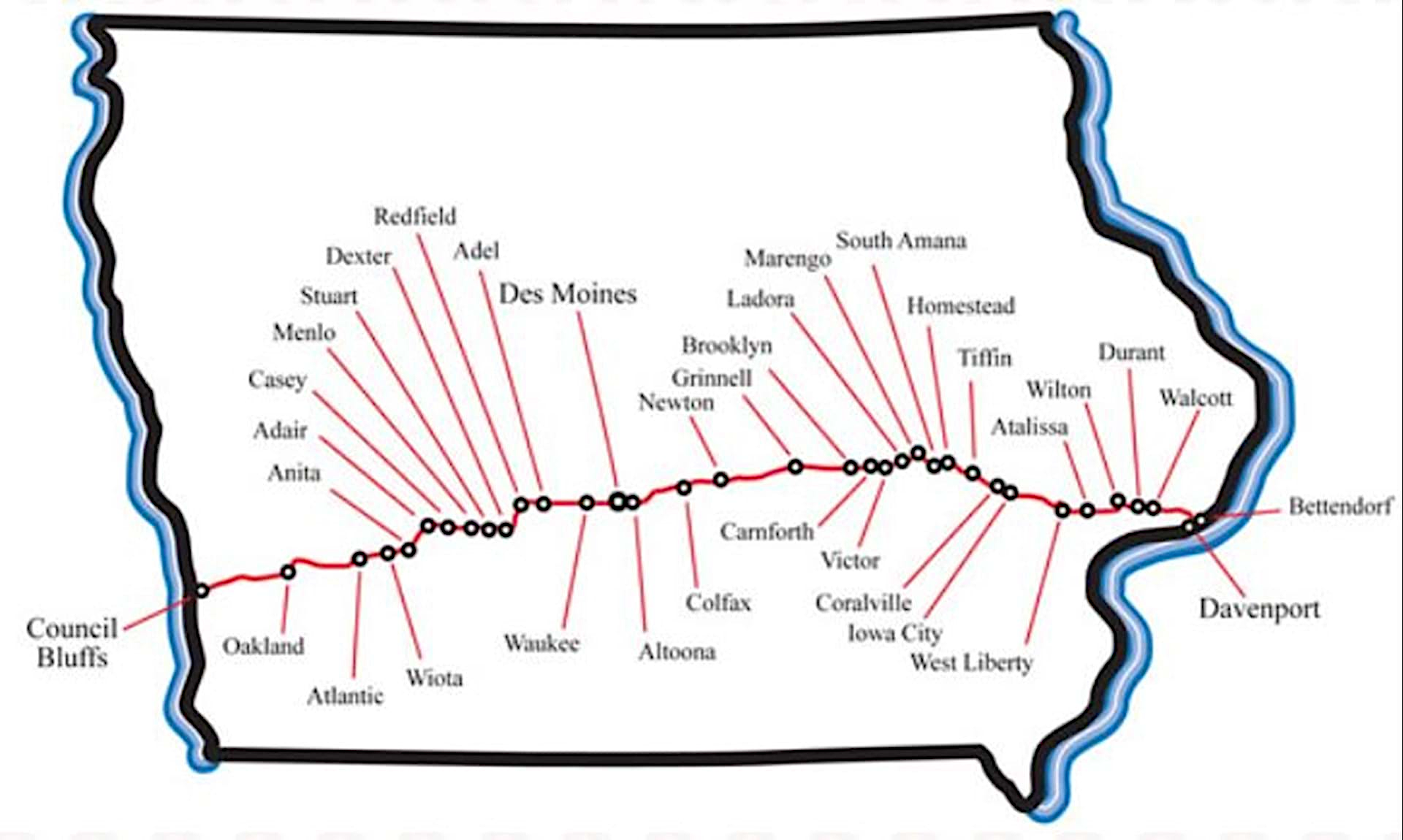
I grew up in Bettendorf, Iowa, far from the places where I imagined scientific discovery happening. As a young student, I knew about careers like medicine and nursing, but biomedical research, and especially neuroscience, felt much less familiar. I did not grow up knowing what earning a PhD looked like or understanding that studying the brain could become a career.
That began to change through an unexpected source: the movie Concussion. I became fascinated by the science behind how injury could change the brain and, ultimately, a person’s life. Around the same time, I had the opportunity to meet someone via email with a PhD in biomedical science. For the first time, I could see a path between being curious about science and actually becoming a scientist.
“For the first time, I could see a path between being curious about science and actually becoming a scientist.”
That curiosity eventually brought me from rural Iowa into the Big Ten research community and neuroscience. Looking back, I realized that where I grew up shaped not only how I found science but also how I think about it.
Where We Come From Shapes the Questions We Ask
Scientists do not enter laboratories without a history. We bring our communities, families, experiences, and opportunities with us. Those experiences can influence the problems we notice and the questions we consider worth asking.
Growing up in Iowa made certain issues difficult for me to overlook. Rural communities can experience limited access to specialized health care, fewer opportunities to participate in biomedical research, and less exposure to scientists and research careers. At the same time, these environments can raise scientific questions that deserve greater attention.
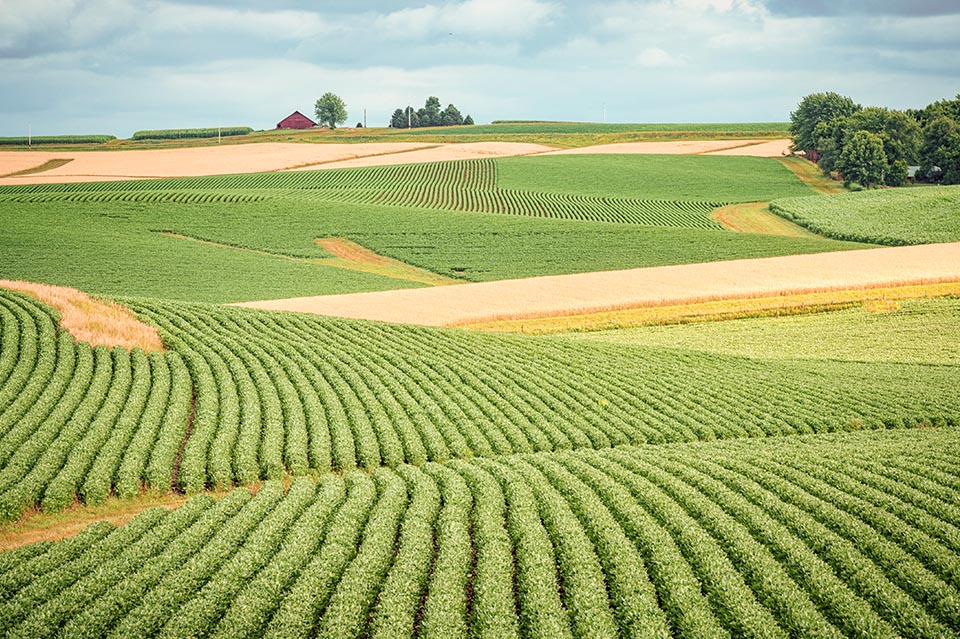
Agriculture is one example. Across Iowa and much of the Midwest, farming is woven into everyday life. Agricultural environments can also involve exposures that have become important areas of neurological research. Studies examining relationships between certain pesticides and neurodegenerative diseases, for example, highlight how environment and geography can become relevant to understanding brain health.
These questions also remind us why representation in research matters. If certain communities are consistently underrepresented in biomedical studies, we may miss important pieces of the relationship between environment, health, and neurological disease. Understanding the brain requires understanding the many environments in which people live.
“If certain communities are consistently underrepresented in biomedical studies, we may miss important pieces of the relationship between environment, health, and neurological disease.”
Who Gets to Imagine Themselves as a Neuroscientist?
There is another kind of representation that matters: who gets the opportunity to imagine becoming a scientist in the first place.
Curiosity is not limited to communities surrounding major universities and research centers, but access to research opportunities often is.
For students growing up far from biomedical research environments, becoming a neuroscientist can feel distant simply because they may never meet one. I understand the power of visibility because meeting a biomedical scientist helped turn an abstract possibility into a tangible career path for me.
This is why mentorship and outreach matter. A laboratory visit, a conversation with a scientist, a summer research experience, or even someone taking the time to explain graduate school can influence the trajectory of a student who has never considered research as a career.
Bringing Rural Perspectives Into Neuroscience
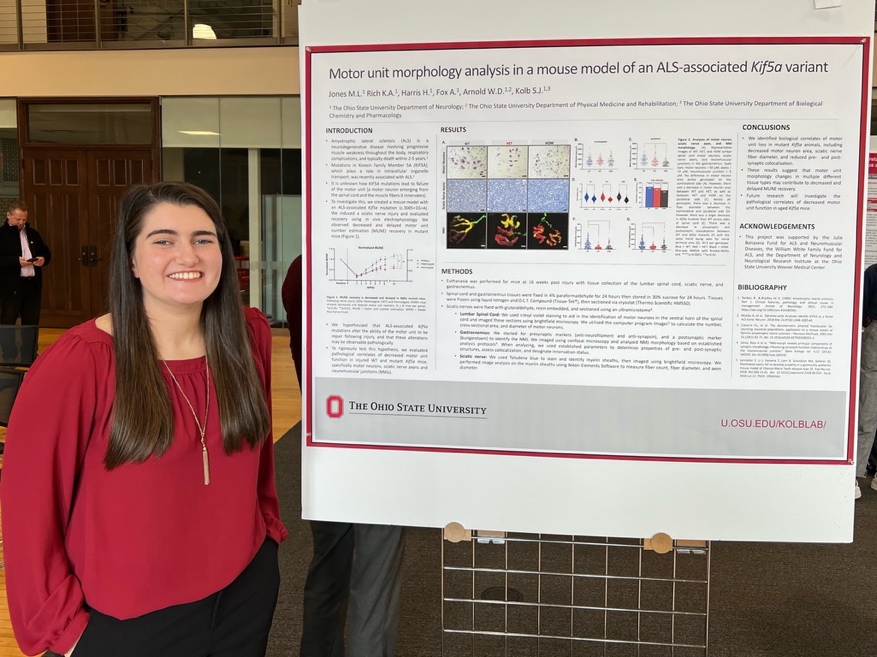
Including people from different geographic backgrounds in neuroscience is not simply about recruiting students from different places. It is also about strengthening the questions our field asks. Someone raised in an agricultural community may notice environmental exposures that others overlook. Someone from a community with limited access to neurological care may think differently about barriers to diagnosis and treatment. The places we come from can help us recognize scientific and public health questions that might otherwise be overlooked.
My path from Iowa to neuroscience taught me that where we come from does not determine where we can go. Instead, it can shape what we bring with us.
“My path from Iowa to neuroscience taught me that where we come from does not determine where we can go. Instead, it can shape what we bring with us.”
As neuroscientists, we have an opportunity to expand mentorship, research exposure, and community engagement beyond traditional scientific centers. Doing so can help more young people see themselves as scientists while bringing new experiences and perspectives into our field.
Sometimes, the next important neuroscience question may begin far from a laboratory.
About the Contributor