Fall 2026 NQ: Message From the President: Policy in Flux
- Featured in:
- Fall 2026 NQ
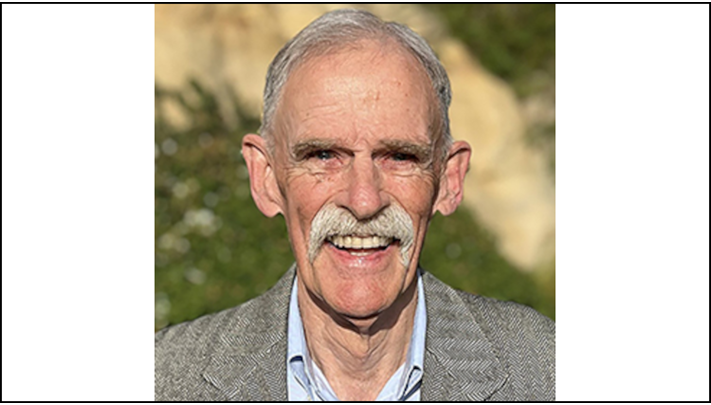
If there has been one constant since January 2025, it has been this: that the policy environment affecting biomedical research is beyond challenging and ever-changing. Recently, for example, the Office of Management and Budget’s proposed rule that would have upended the federal grantmaking process has been put on hold until December — a result of the tremendous response from the research community, including SfN and our members. This development shows the power our community can wield when we speak with a clear, unified voice.
Since the summer, an additional policy development has emerged.
NIH has issued a Request for Information on a proposal that would fundamentally change how peer-review outcomes are reported and used in funding decisions. Applications would be placed into three categories: “most competitive,” “competitive,” and “not discussed.” Applicants, NIH staff, Institute and Center leadership, and advisory councils would no longer receive impact scores or percentiles. SfN issued a Statement of Concern about the proposed changes and submitted a full response before the October 13 deadline.
With an eye to the policy environment, SfN is taking full advantage of Neuroscience 2026 being in Washington, D.C. Our annual Advocacy Forum will be a briefing on Capitol Hill titled “The Era of Neuroscience Innovation: How Federal Investment Seeds Innovation Leading to Cures and Treatments.” The consistent presence SfN maintains on Capitol Hill is important to remind policymakers of the immense value that investments in neuroscience research offer to the public.
The consistent presence SfN maintains on Capitol Hill is important to remind policymakers of the immense value that investments in neuroscience research offer to the public.
Turning more specifically to Neuroscience 2026, SfN is taking advantage of evolving technology to make navigating the meeting and connecting with colleagues easier through the Neuroscience 2026 Mobile App.
Spike, a new AI assistant in the app, answers questions about sessions, speakers, venues, and other meeting details. The app also includes two new opt-in networking tools which use the information you provide in your app profile. The first tool, Peer Finder, lets you identify peers based on country and professional and personal interests and start messaging. The second tool, Smart Matches, goes a step further in that it also uses your itinerary to highlight other attendees who have profiles and schedules similar to your own. Extending the opportunities to all who are registered, these new networking tools will make it possible for remote participants to connect with colleagues attending in person.
That said, if you are unable to join us in Washington, D.C., I encourage you to register for the Neuroscience 2026 Virtual Component, which includes livestreamed lectures and virtual posters. All attendees can access the virtual content for a month after the meeting concludes, extending the opportunity to take in all the science the meeting has to offer. And did I mention that everyone who registers and attends in person also automatically gets access to the Virtual Component?
There are several people in my life whom I first met at a conference that then became good collaborators and friends.
I encourage everyone to take full advantage of the world’s largest annual gathering of neuroscientists by opting in to the new networking tools and building connections across our community. There are several people in my life whom I first met at a conference that then became good collaborators and friends. With these new networking tools, it’s easier than ever to begin what could be a lifelong connection.
I look forward to connecting with many of you at Neuroscience 2026.