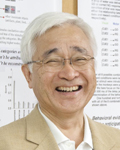
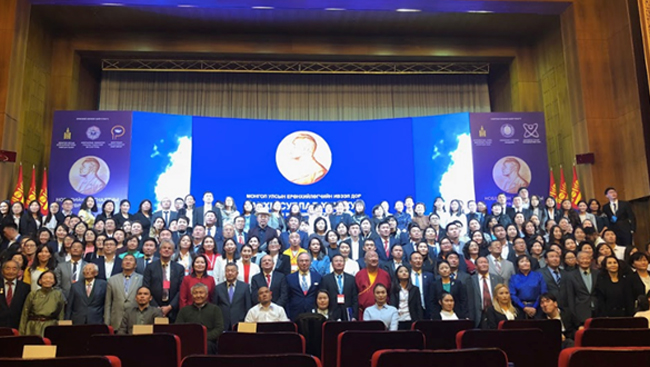
Keiji Tanaka chairs the International Brain Research Organization (IBRO) Global Engagement Committee, which aims to build awareness and support for research and public education concerning the brain and the nervous system, and to enhance global cooperation through advocacy.
Here he offers some of the insights he’s made into the many forms advocacy partnerships can take, starting with his own experience in Japan, and how sharing strategies and resources can benefit science globally.
What does advocacy look like in Japan?
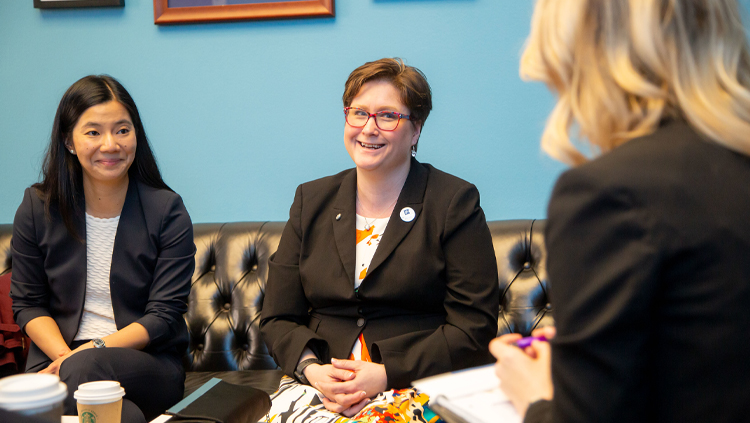
Advocacy in Japan is different from advocacy in the United States, where scientists can approach lawmakers on Capitol Hill. Not many Parliament members have an interest in science, so instead most of our work is to encourage a cultural climate promoting science.
The public’s interest in science is important. If they show interest, it stimulates journalists to cover science, and we are reported in newspapers and on television. Then Parliament members notice, and we do approach them occasionally.
Access to the full article is available to SfN members.
Neuronline is a benefit of SfN membership. Renew your membership now to make sure you don’t lose access.
Speaker