



Filter
-
(133)
-
(733)
-
(4)
-
(1)
-
(47830)
-
(91)
-
(25)
-
(14)
-
(433)
-
(7)
-
(181)
-
(8)
-
(33)
-
(17)
-
(7)
-
(9)
-
(9)
-
(5)
-
(21)
-
(8)
-
(12)
-
(9)
-
(3)
-
(10)
-
(10)
-
(56)
-
(45)
-
(12)
-
(3)
-
(7)
-
(6)
-
(5)
-
(8)
-
(7)
-
(11)
-
(58)
-
(13)
-
(30)
-
(8)
-
(5)
-
(10)
-
(5)
-
(14)
-
(4)
731 - 740
of 52751 results
-
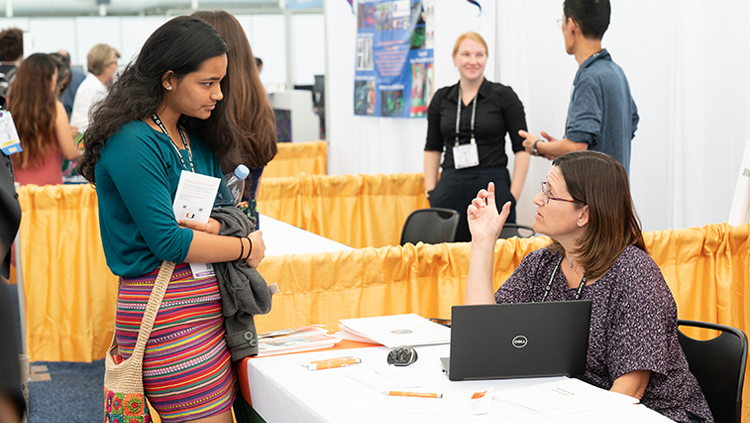 Webinar Video TrainingResilience is the process of adapting well in the face of adversity. Students need information, guidance, encouragement, and support to develop their resilience and wellness practices, especially in the face of messages that such practices are shameful, trivial, or unnecessary. In this webinar we will discuss recent data on graduate student health, wellness, and vulnerable populations and share approaches to building programs to address these concerns.Feb 23, 2021
 -
 Journal ArticleChemotherapy can cause debilitating behavioral side effects (e.g., fatigue, depression, cognitive decline); however, having an intimate partner can buffer these effects. The California mouse ( Peromyscus californicus ) is a rare monogamous mouse species that offers a novel opportunity to model human intimate partnership to identify the neurobiological mechanisms by which mate bonding reduces chemotherapy-associated behavioral side effects. As a first step towards this goal, this pilot study aimed to develop the first chemotherapy model, to our knowledge, in adult male and female California mice. Following a repeated paclitaxel chemotherapy regimen, well-characterized in laboratory mice ( Mus musculus ), gross sickness physiology was first assessed after various doses. The 20 mg/kg paclitaxel dose, injected six times every other day, was the highest tolerable, clinically-relevant dose and was characterized by moderate body mass loss and increased spleen mass. Thus, further investigation of the effects of th...Sep 4, 2025
 -
Journal ArticleWhen compared to nature sounds, exposure to mechanical sounds evokes higher levels of perceptual and physiological arousal, prompting the recruitment of attentional and physiological resources to elicit adaptive responses. However, it is unclear whether these attributes are solely related to the sound intensity of mechanical sounds, since in most real-world scenarios, mechanical sounds are present at high intensities, or if other acoustic or semantic factors are also at play. We measured the Skin Conductance Response (SCR), reflecting sympathetic nervous system (SNS) activity as well as the pleasantness and eventfulness of the soundscape across two passive and active listening tasks in (N = 25; 14 females, 11 males) healthy subjects. The auditory stimuli were divided into two categories, nature, and mechanical sounds, and were manipulated to vary in three perceived loudness levels. As expected, we found that the sound category influenced perceived soundscape pleasantness and eventfulness. SCR was analysed ...Sep 4, 2025
-
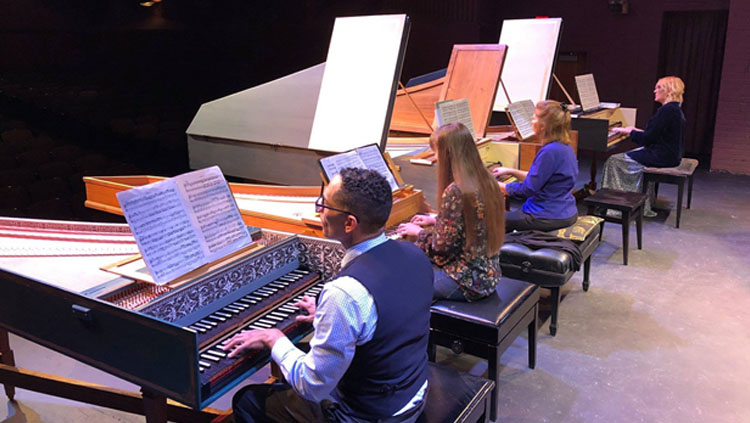 Article Career PathsGraduate school is a time filled with excitement, discovery, and, at times, stress, and anxiety. The complexity of learning what your interests are and planning your career during this time can be especially amplified for students pursuing transdisciplinary careers in the arts and sciences. As an undergraduate, I chose to study both music and the brain, and was encouraged to and discouraged from pursuing a career that combined the two by various faculty and departments — often in equal parts. But, I couldn’t pass up the opportunity to combine my loves of music and the brain.Feb 16, 2021
 -
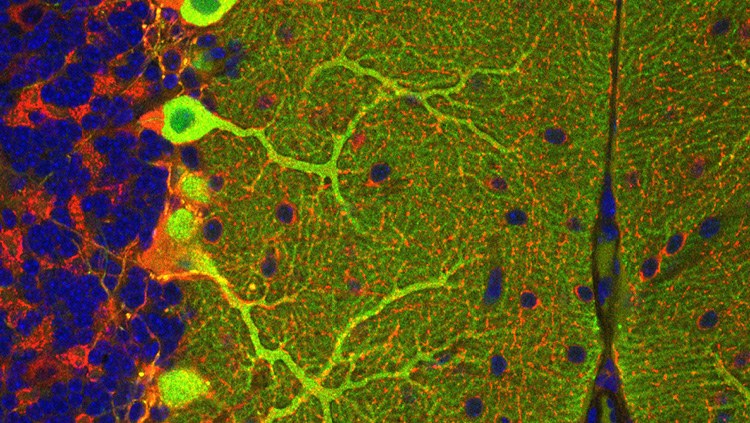 Webinar Professional DevelopmentThis webinar is exclusive for SfN members. Please log in or join or renew your membership below for access. The COVID-19 pandemic has created unprecedented challenges worldwide and has affected neuroscientists at all career stages. Neuroscientists who are actively looking for a postdoctoral fellowship or faculty position are facing hiring freezes and uncertainty. During this webinar, panelists based in academia and industry will highlight the challenges the pandemic has created for neuroscience employers and job seekers and provide job seekers with strategies for finding and applying for jobs at this time. Recent graduates, postdoctoral fellows, and early- and mid-career neuroscientists who are looking for a position in academia or industry are encouraged to attend.Feb 10, 2021
 -
Journal ArticleThe corticospinal tract (CST) is essential for forelimb-specific fine motor skills. In rodents, it undergoes extensive structural remodeling across development, injury, and disease states, with major implications for motor function. A vast body of literature, spanning numerous injury models, frequently assesses these projections. Despite this, a cohesive imaging modality for rapid, quantitative assessment of the bilateral cervical spinal cord projectome is lacking. To address this, we developed SpinalTRAQ (Spinal cord Tomographic Registration and Automated Quantification), a novel mouse cervical spinal cord volumetric reference atlas and machine learning-based analytical pipeline. Using serial two-photon tomography, SpinalTRAQ enables unbiased, region-specific quantification of fluorescently labeled CST presynaptic terminals. In healthy male mice, the CST exhibits a distinct bilateral synaptic projectome, with the densest innervation in laminae 5 and 7 on the contralateral side and lamina 7 on the ipsilate...Sep 2, 2025
-
Journal ArticleUnderstanding the roles of astrocytic calcium signaling in multiple brain regulatory mechanisms including metabolism, blood flow, neuromodulation and neuroinflammation has remained one of the enduring challenges in glial biology. To delineate astrocytic contribution from concurrent neuronal activity, it is vital to establish robust control and manipulate astrocytes using a technique like optogenetics due to its high cellular specificity and temporal resolution. The lack of an experimental paradigm to induce controlled calcium signaling in astrocytes has hindered progress in the field. To address this, in this study, we systematically characterize and identify light stimulation paradigms for inducing regulated, on-demand increases in astrocytic calcium in acute brain slice cortical astrocytes from MlC1-ChR2(C128S)-EYFP mice (of either sex). We identified paradigms 20%, 40% and 60% (of T=100s) to elicit robust calcium responses upon periodic stimulations, while the 95% paradigm exhibited a response only duri...Sep 2, 2025
-
 Journal ArticleUnderstanding the roles of astrocytic calcium signaling in multiple brain regulatory mechanisms including metabolism, blood flow, neuromodulation, and neuroinflammation has remained one of the enduring challenges in glial biology. To delineate astrocytic contribution from concurrent neuronal activity, it is vital to establish robust control and manipulate astrocytes using a technique like optogenetics due to its high cellular specificity and temporal resolution. The lack of an experimental paradigm to induce controlled calcium signaling in astrocytes has hindered progress in the field. To address this, in this study, we systematically characterize and identify light stimulation paradigms for inducing regulated, on-demand increases in astrocytic calcium in acute brain slice cortical astrocytes from MlC1-ChR2(C128S)-EYFP mice (of either sex). We identified paradigms 20, 40 and 60% (of T = 100 s) to elicit robust calcium responses upon periodic stimulations, while the 95% paradigm exhibited a response only d...Sep 1, 2025
 -
 Journal ArticleCurrent research strives to investigate cognitive processes under natural conditions. Virtual reality and EEG are promising techniques combining naturalistic settings with close experimental control. However, many questions and technical challenges remain, e.g., are saccade onsets a suitable replacement of fixation onsets as key events in continuous gaze trajectories ( [Amme et al., 2024][1]), and consequently, can VR capture differences across different stimulus categories associated with varying saccade durations? To address both questions, we investigate the N170 face effect in humans (14 males, 19 females, zero diverse) using a free-viewing and free-movement immersive VR study that contained houses, various background stimuli, and, notably, static and moving pedestrians to study face perception under naturalistic conditions. Our results show that aligning trials to saccade onsets leads to more well-defined ERPs than fixation onsets, especially for the P100 component, demonstrating that saccade-onset ER...Sep 1, 2025
 -
 Journal ArticleBehavioral neuroscience research often requires substantial financial investment in specialized equipment and software, creating barriers for new investigators and limiting the flexibility of established laboratories. This study explores how 3D printing and machine learning can be combined to reduce startup and operational costs while maintaining research quality. Using 3D printing, we designed and manufactured a mouse T-maze and elevated plus maze to assess cognition and anxiety-like behaviors in male mice. These custom-built mazes demonstrated comparable efficacy with commercial alternatives while offering greater affordability, scalability, and customization. To complement the hardware, we integrated machine learning for automated tracking and analysis of mouse behavior, achieving accuracy equivalent to commercial solutions or experienced human scoring at significantly reduced cost. By combining 3D printing with machine learning, our approach significantly lowers financial barriers for new investigators...Sep 1, 2025




