



Filter
-
(133)
-
(734)
-
(4)
-
(1)
-
(47852)
-
(92)
-
(25)
-
(14)
-
(435)
-
(7)
-
(184)
-
(8)
-
(33)
-
(17)
-
(7)
-
(10)
-
(9)
-
(5)
-
(21)
-
(8)
-
(12)
-
(9)
-
(3)
-
(10)
-
(10)
-
(56)
-
(45)
-
(12)
-
(3)
-
(7)
-
(6)
-
(5)
-
(8)
-
(7)
-
(11)
-
(58)
-
(13)
-
(31)
-
(8)
-
(5)
-
(10)
-
(5)
-
(16)
-
(4)
5781 - 5790
of 52785 results
-
 Professional DevelopmentFor three days, Scholars and Alumni of SfN’s Neuroscience Scholars Program (NSP), led by co-directors Gina Poe and Eduardo Rosa-Molinar, discussed identity and leadership, changing culture, grant writing, and more, while creating additional opportunities for professional development, networking, and community building.
 -
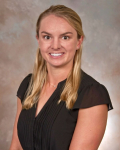 Claire Robey (she/her/hers) is a fifth year PhD candidate at the Uniformed Services University in Bethesda, Md. She currently works in Joseph McCabe’s lab in the Department of Anatomy, Physiology, and Genetics.
 -
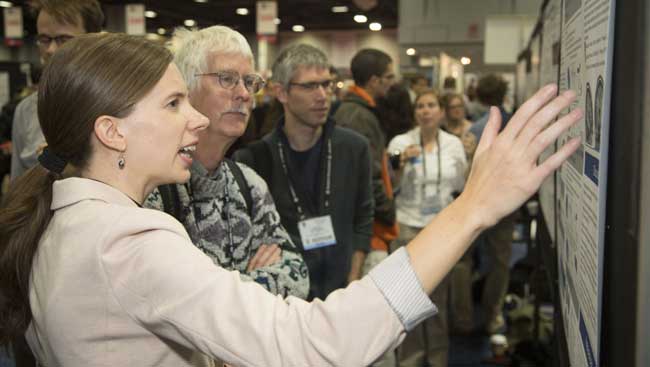 Poster CommunityWe're refreshing this content. Please return soon to see what's new. This training module will help you to: Learn to create a favorable work climate Support the career advancement of science faculty Recognize accomplishments in departments Establish the importance of a supportive and inclusive institution
 -
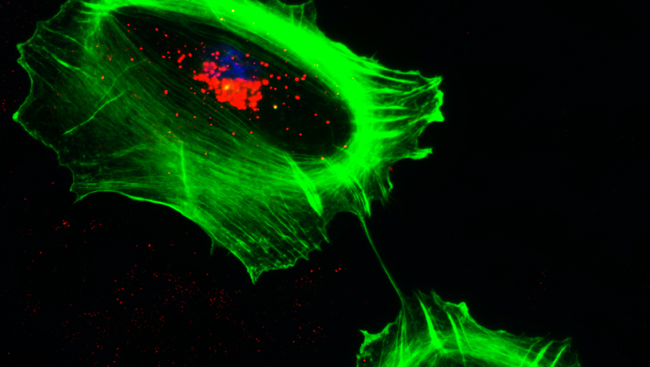 Poster Training Series TrainingLearn how to produce and characterize human neurons derived from induced pluripotent stem cells (IPSCs). After reviewing Module 2, participants at all career stages should be able to: - Describe techniques and methods used to define human neurons derived from human iPS cells. - Summarize the rationale of directed neuronal differentiation from human pluripotent stem cells. - Describe how to apply the use of small molecules/morphogens to generate major neuron types. - Introduce step-wise quality control criteria to assure the generation of the desired neuron type and troubleshoot the differentiations. - Explain the principles for direct lineage conversion. - Identify the key techniques used to directly generate human neurons from iPS cells by transiently expressing transcription factors. - Describe how to establish long-term culture for disease modeling.




