



Filter
-
(133)
-
(733)
-
(4)
-
(1)
-
(47845)
-
(92)
-
(25)
-
(14)
-
(435)
-
(7)
-
(184)
-
(8)
-
(33)
-
(17)
-
(7)
-
(9)
-
(9)
-
(5)
-
(21)
-
(8)
-
(12)
-
(9)
-
(3)
-
(10)
-
(10)
-
(56)
-
(45)
-
(12)
-
(3)
-
(7)
-
(6)
-
(5)
-
(8)
-
(7)
-
(11)
-
(58)
-
(13)
-
(31)
-
(8)
-
(5)
-
(10)
-
(5)
-
(16)
-
(4)
5101 - 5110
of 52774 results
-
 TrainingIn this presentation, Mathew Blurton-Jones will: - Introduce methods to differentiate pluripotent stem cells into microglia. - Describe approaches that can be used to validate the resulting cells. - Describe in vitro assays that can be used to examine microglial function. - Identify potential caveats with in vitro microglial culture. - Explain development and use of new chimeric mouse models to study human microglial function in vivo.
 -
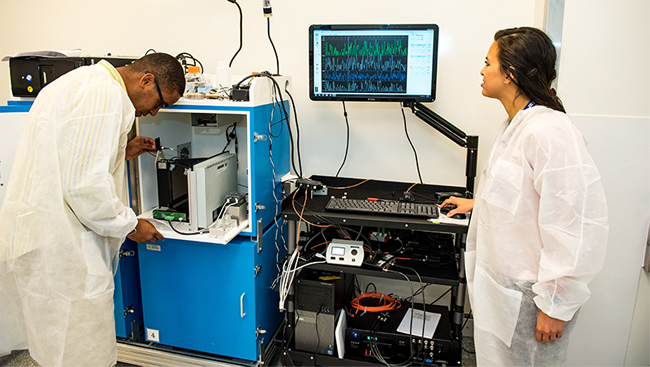 Article TrainingOptogenetics is an incredibly powerful technique for investigating neural circuits and brain function. However, there are numerous caveats to consider when designing, conducting, and interpreting results from optogenetic experiments. SfN members have the opportunity to submit questions about these caveats from August 1 – August 30 to Stephan Lammel, Karel Svoboda, and David Kupferschmidt in a Neuronline Community discussion thread. They will answer your questions in a video panel discussion that will be posted in this module in early September.
 -
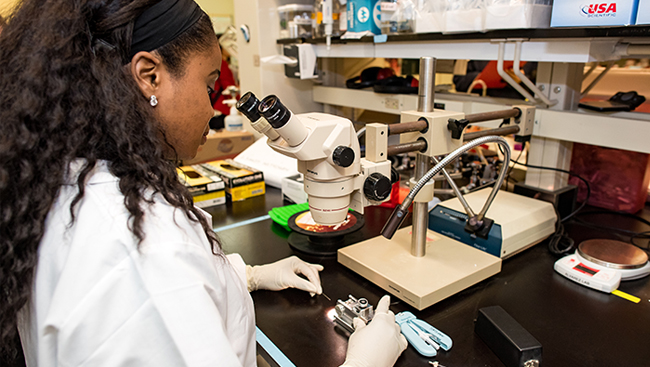 Article TrainingTo design and conduct a successful and rigorous optogenetics experiment, there are a few key technical issues that must be considered. These include achieving optimal opsin expression, selecting appropriate stimulation parameters, and validating opsin expression and function. SfN members have the opportunity to submit questions from August 1 – August 16 to Module 7 faculty — Chris Chen, Scott Owen, Julia Lemos, and Shana Augustin — in a Neuronline Community discussion thread. They will answer your questions live on Thursday, August 16, from 1–2 pm EDT, so make sure to visit the Neuronline Community forum then.
 -
 TrainingIn this presentation, Valentina Lo Sardo will introduce the generation of iPSCs from somatic cells and methods of genome editing. Specifically, Lo Sardo will: - Introduce reprogramming, including different cell sources and methods for generating iPSCs. - Describe experimental design and procedure to generate, validate, and maintain iPSCs from peripheral blood mononuclear cells (PBMCs), including general considerations on source of variability in iPSCs. - Introduce genome editing techniques. - Explain experimental design and procedure to perform genome editing using TALENs, including general considerations on study design and type of controls.
 -
 TrainingIn this presentation, Hiroko Nobuta will introduce various methods for generating oligodendrocytes from iPS cells. Specifically, Nobuta will: - Describe various methods of generating mouse and human oligodendrocytes and their pros and cons. - Introduce the detailed procedure of the growth factor-mediated human oligodendrocyte generation from iPS cells. - Provide troubleshooting tips for common problems in the growth factor-mediated human oligodendrocyte generation and functional assays.
 -
 TrainingIn this video, Aparna Bhaduri and Madeline Andrews will demonstrate how to use the UCSC Cell Browser.




