



Filter
-
(133)
-
(733)
-
(4)
-
(1)
-
(47833)
-
(91)
-
(25)
-
(14)
-
(433)
-
(7)
-
(182)
-
(8)
-
(33)
-
(17)
-
(7)
-
(9)
-
(9)
-
(5)
-
(21)
-
(8)
-
(12)
-
(9)
-
(3)
-
(10)
-
(10)
-
(56)
-
(45)
-
(12)
-
(3)
-
(7)
-
(6)
-
(5)
-
(8)
-
(7)
-
(11)
-
(58)
-
(13)
-
(30)
-
(8)
-
(5)
-
(10)
-
(5)
-
(15)
-
(4)
1861 - 1870
of 52756 results
-
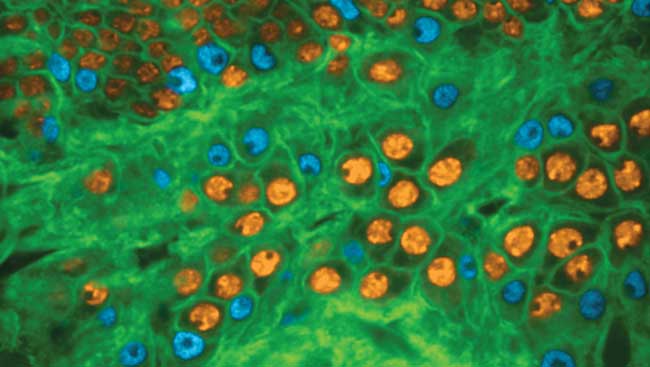 Video Career PathsNicole Speed is a strategic consultant for The Lockwood Group. Speed talks about the skills she developed in her PhD program, and how they are applied in her consultant role.Mar 1, 2016
 -
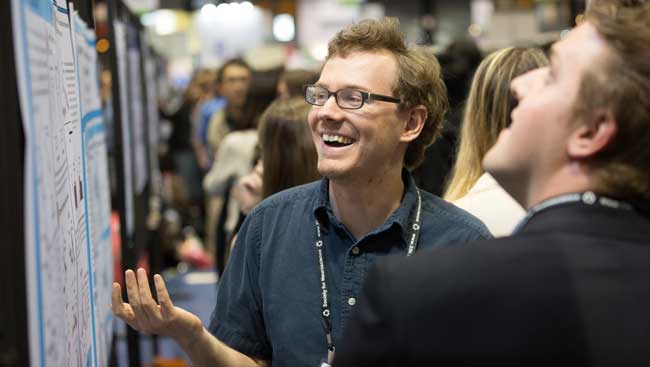 Article OutreachHow can neuroscientists explain their science concisely and interestingly without omitting nuance? What are some effective engagement strategies? Suzanne Ffolkes, Scott Thompson, and Leslie Tolbert give advice.Feb 25, 2016
 -
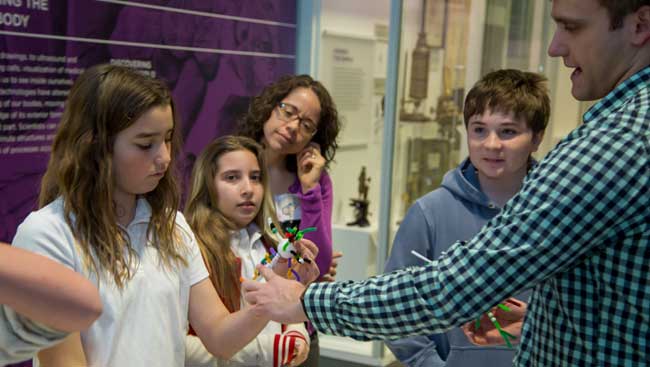 Article TrainingEducational Resources in Neuroscience (ERIN), developed by the Society for Neuroscience (SfN) with funding from the National Science Foundation (NSF), is a tool to help undergraduate, graduate, and clinical education professors find teaching resources. The database has materials reviewed by experts in the field. Resources include videos, interactive quizzes, and simulators, which you can search by topic, type of resource, and educational level.Feb 22, 2016
 -
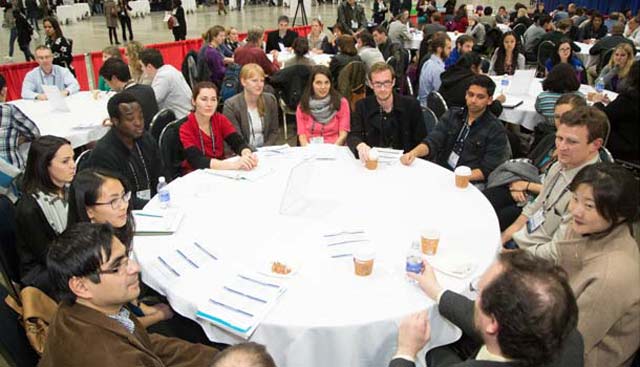 Article Professional DevelopmentThe mentor’s responsibilities extend well beyond helping students learn what the research and writing components of graduate school entail. First and foremost, mentors introduce students to the culture of the discipline, clarifying and reinforcing — principally by example — what’s expected of a professional scholar.Feb 22, 2016
 -
 Journal ArticleExperimental evidence showed that an increase in intracellular chloride concentration (<mml:math xmlns:mml="http://www.w3.org/1998/Math/MathML" display="inline"><mml:mo stretchy="false">[</mml:mo><mml:mrow><mml:mrow><mml:mi mathvariant="normal">C</mml:mi></mml:mrow><mml:msup><mml:mrow><mml:mi mathvariant="normal">l</mml:mi></mml:mrow><mml:mo>−</mml:mo></mml:msup></mml:mrow><mml:msub><mml:mo stretchy="false">]</mml:mo><mml:mrow><mml:mi mathvariant="normal">i</mml:mi></mml:mrow></mml:msub></mml:math> ) caused by gamma-aminobutyric acid (GABA) input can promote epileptic firing activity, but the actual mechanisms remain elusive. Here in this theoretical work, we show that influx of chloride and concomitant bicarbonate ion (<mml:math xmlns:mml="http://www.w3.org/1998/Math/MathML" display="inline"><mml:mi>H</mml:mi><mml:mi>C</mml:mi><mml:msubsup><mml:mi>O</mml:mi><mml:mn>3</mml:mn><mml:mo>−</mml:mo></mml:msubsup></mml:math> ) efflux upon GABA receptor activation can induce epileptic firing activity by transitio...Oct 23, 2024
 -
 Video Career PathsWorking as a dean can allow you to interact and aid a wider array of people than in a typical professor role. Joanne Berger-Sweeney shares her experiences as Dean of Tufts University School of Arts and Sciences where she deals with a variety of administration issues every day while still maintaining a research laboratory.Feb 18, 2016
 -
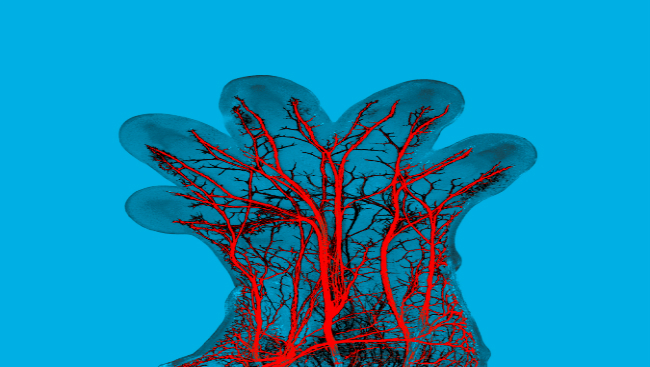 Article Scientific ResearchPerceiving the sizes of visual objects appears to be a simple perceptual experience in which no big scientific conundrum exists.Feb 18, 2016
 -
 Podcast Scientific ResearchWendy Suzuki introduces us to Marian Diamond, whose lively classes ushered Suzuki into a career in neuroscience. Suzuki shares how she came to study how exercise profoundly affects the brain, not just the body.Feb 16, 2016
 -
 Article OutreachScience requires significant public investment, and engaging the broader community is key to communicating discoveries and building support for education and research.Feb 16, 2016
 -
 Article DiversityThe following Q&A is adapted from the webinar, In First Person: Tips to Survive and Excel as a Woman in Neuroscience, hosted by SfN’s Professional Development Committee's Women in Neuroscience Subcommittee (WINS).Feb 16, 2016




