



Filter
-
(133)
-
(734)
-
(4)
-
(1)
-
(47853)
-
(92)
-
(25)
-
(14)
-
(435)
-
(7)
-
(185)
-
(8)
-
(33)
-
(17)
-
(7)
-
(10)
-
(9)
-
(5)
-
(21)
-
(8)
-
(12)
-
(9)
-
(3)
-
(10)
-
(10)
-
(56)
-
(45)
-
(12)
-
(3)
-
(7)
-
(6)
-
(5)
-
(8)
-
(7)
-
(11)
-
(58)
-
(13)
-
(31)
-
(8)
-
(5)
-
(10)
-
(5)
-
(16)
-
(4)
5691 - 5700
of 52788 results
-
 This interview series highlights the career paths and scientific accomplishments of women at the forefront of historically male-dominated fields including neuroscience, engineering, and technology. Many of these fields are increasingly intertwining and becoming relevant to the advancement of our collective scientific knowledge. The articles in this series provide role models for women considering careers in these areas of research.
 -
Enhance your research techniques through virtual conferences and training series on emerging trends and technologies, and develop your own training program through curriculum and hiring best practices.
-
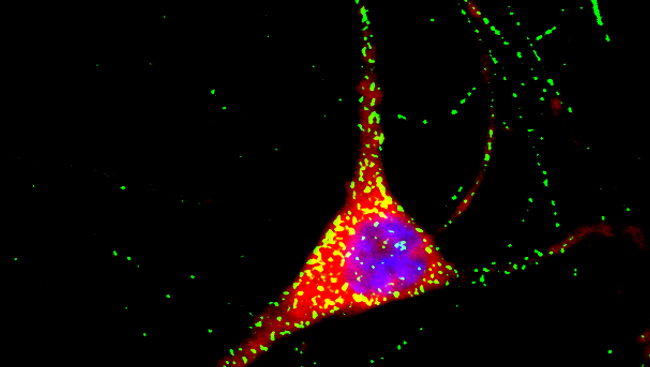 Poster Training Series TrainingLearn protocols for generating three-dimensional neural organoid cultures from stem cells and understand applications of these tissues to model brain development and neurological conditions. After reviewing Module 4, participants at all career stages should be able to: - Describe what the various three-dimensional systems are capable of. - Identify examples of human conditions that can be modeled using three-dimensional neural organoid systems. - Explain how to use single cell RNA sequencing and neural organoids to approach questions on brain development and disease. - Identify resources available to evaluate your own RNA sequencing applications.
 -
 Eden A. Dulka is currently a postdoctoral fellow in the lab of Dr. Jacob Mueller in the department of human genetics at the University of Michigan.
 -
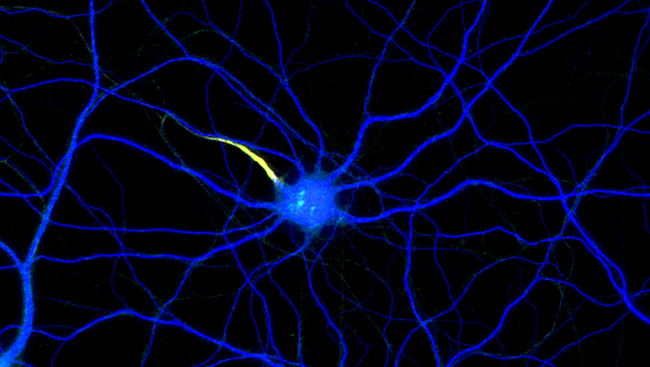 Training Series Poster TrainingLearn basic approaches for generating, reprogramming, and genetically screening induced pluripotent stem cell-derived (iPSC) neurons and glia. After reviewing Module 1, participants at all career stages should be able to: - Explain the basics of reprogramming. - Describe how to make a study design considering possible limitations and proper number of samples. - Summarize how to perform a reprogramming experiment. - Summarize how to validate and establish iPSC lines. - Outline genome editing techniques and how to proceed to design and perform an experiment. - Explain CRISPR-based approaches to probe gene function in iPSC-derived neurons and glia. - Describe different types of large-scale genetic screens in iPSC-derived neurons and glia.
 -
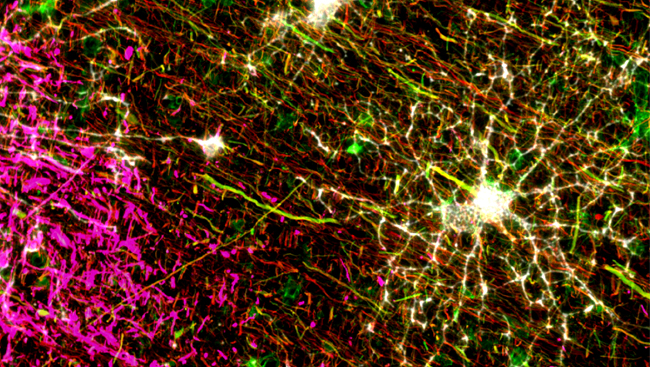 Video Training Series TrainingMarius Wernig, Kristin Baldwin, and Lorenz Studer provide a brief introduction to the training series (0:00-7:42) and the field of stem cell biology and reprogramming technologies. This resource will review: Why the stem cell biology and reprogramming field shows enormous potential in modern biomedical research (7:42-18:37). A historical understanding of neural differentiation (18:37-30:36) and epigenetic reprogramming techniques (30:36-40:43). After reviewing the introductory video, participants at all career stages should be able to: Understand the organization of SfN’s training series on stem cells and reprogramming methods in neuroscience. Understand the objectives of the training series and how to engage with the resources. Describe how the stem cell and reprogramming field has developed and advanced. Summarize the potential of stem cells and reprogramming technologies and how you can apply them to your neuroscience research questions. Identify current limitations of these technologies.




