



Filter
-
(133)
-
(733)
-
(4)
-
(1)
-
(47833)
-
(91)
-
(25)
-
(14)
-
(433)
-
(7)
-
(182)
-
(8)
-
(33)
-
(17)
-
(7)
-
(9)
-
(9)
-
(5)
-
(21)
-
(8)
-
(12)
-
(9)
-
(3)
-
(10)
-
(10)
-
(56)
-
(45)
-
(12)
-
(3)
-
(7)
-
(6)
-
(5)
-
(8)
-
(7)
-
(11)
-
(58)
-
(13)
-
(30)
-
(8)
-
(5)
-
(10)
-
(5)
-
(15)
-
(4)
2071 - 2080
of 52756 results
-
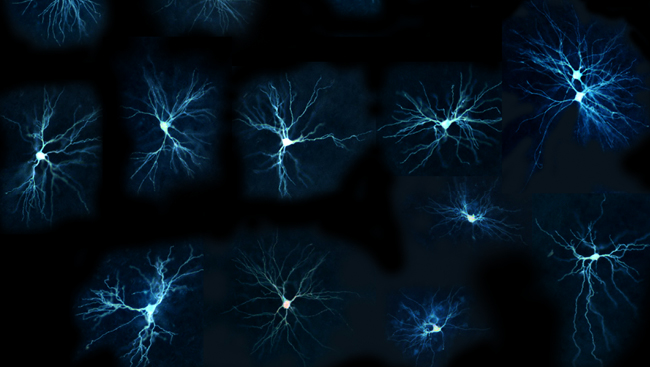 Article Career PathsWhen thinking of a career in science editing and publishing, most people assume it means working for a peer-reviewed journal, like The Journal of Neuroscience.May 1, 2015
 -
 Article Career PathsIt may not be the most obvious career path, but working in the government can utilize scientific skills and knowledge developed during your PhD training.May 1, 2015
 -
 Article DiversityHow can you be successful if you don’t know the rules? How can you advance if you don’t have clear, constructive feedback?May 1, 2015
 -
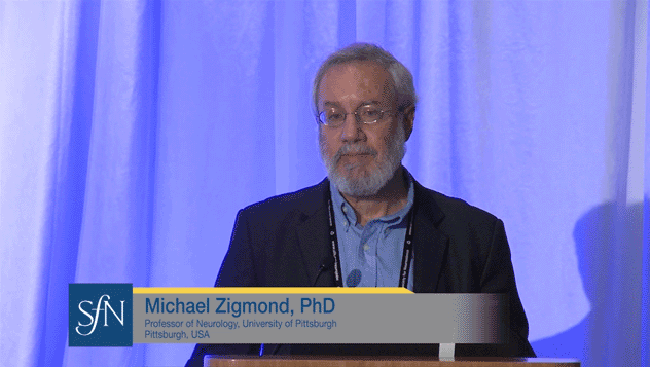 Video Professional DevelopmentThere are many reasons to do a postdoc position after graduating and in this video Michael Zigmond, professor at University of Pittsburgh, discusses how to best choose a postdoc lab and why it can be so beneficial to do your postdoc internationally.May 1, 2015
 -
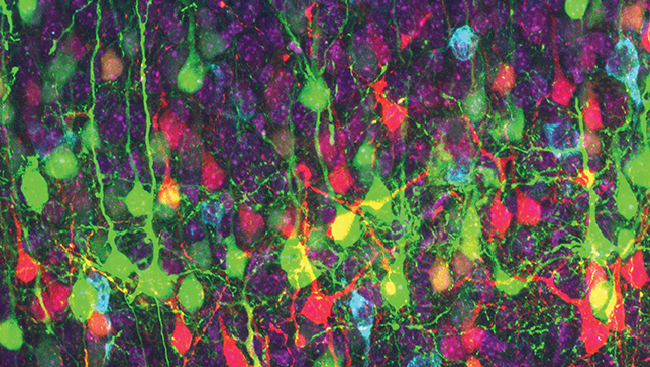 Video Annual Meeting Professional DevelopmentWhat do you do as a mentor, and why do you take the time to mentor? No matter the reason, it’s clear that mentoring is fundamental to the success of individuals and the development of the neuroscience field. Get inspired by these experts, who share what mentoring means to them.May 1, 2015
 -
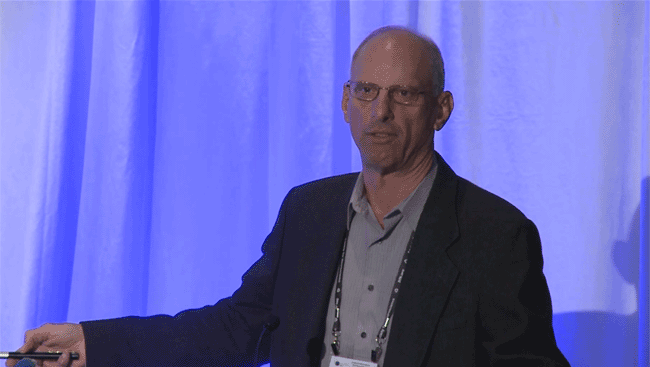 Video Annual Meeting Professional DevelopmentFrom the different kinds of NIH grants to advice on how to more easily navigate the review process, Roger Sorenson offers in-depth insights. Watch this video as you consider your options.May 1, 2015
 -
 Article Professional DevelopmentNetworking is crucial to establishing and growing in your career.May 1, 2015
 -
 Article CommunityRecruitment of new faculty is a core activity of academic institutions, and diversity contributes to excellence in all professions, including academia.May 1, 2015
 -
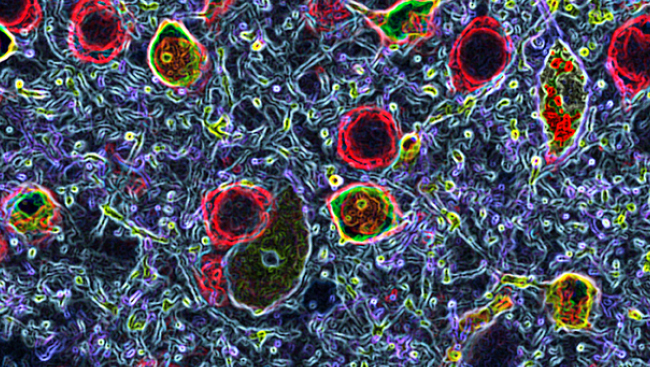 Webinar Scientific ResearchFrom stem cells to brain-computer interfaces, novel functional neuroimaging techniques to new animal model approaches, stroke research is pushing the boundaries of neuroscience. The Neurobiology of Disease Workshop provides students and early-career scientists with in-depth overviews of diseases of the nervous system. In this webinar, faculty from the 2014 Neurobiology of Disease Workshop will further develop topics introduced in the live session and explore the role of brain age in pediatric and neonatal strokes and gender effects.Apr 28, 2015
 -
 Journal ArticleStudies employing EEG to measure somatosensory responses have been typically optimized to compute event-related potentials in response to discrete events (ERPs). However, tactile interactions involve continuous processing of non-stationary inputs that change in location, duration, and intensity. To fill this gap, this study aims to demonstrate the possibility of measuring the neural tracking of continuous and unpredictable tactile information. Twenty-seven young adults (females = 15) were continuously and passively stimulated with a random series of gentle brushes on single fingers of each hand, which were covered from view. Thus, tactile stimulations were unique for each participant, and stimulated fingers. An encoding model measured the degree of synchronization between brain activity and continuous tactile input, generating a temporal response function (TRF). Brain topographies associated with the encoding of each finger stimulation showed a contralateral response at central sensors starting at 50 ms an...Sep 12, 2024




