



Filter
-
(133)
-
(733)
-
(4)
-
(1)
-
(47833)
-
(91)
-
(25)
-
(14)
-
(433)
-
(7)
-
(182)
-
(8)
-
(33)
-
(17)
-
(7)
-
(9)
-
(9)
-
(5)
-
(21)
-
(8)
-
(12)
-
(9)
-
(3)
-
(10)
-
(10)
-
(56)
-
(45)
-
(12)
-
(3)
-
(7)
-
(6)
-
(5)
-
(8)
-
(7)
-
(11)
-
(58)
-
(13)
-
(30)
-
(8)
-
(5)
-
(10)
-
(5)
-
(15)
-
(4)
1911 - 1920
of 52756 results
-
 Article Professional DevelopmenteNeuro's editor-in-chief Christophe Bernard answered questions on what you should know about being a reviewer and why it’s important for your career.Nov 23, 2015
 -
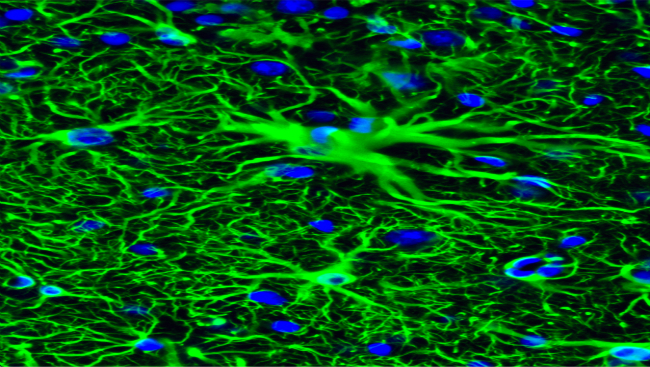 Article Scientific ResearchReconsolidation is the process by which memories are updated with new information. The retrieval of an existing memory, if combined with the inclusion of new information, necessitates this reconsolidation process in order to update it.Nov 19, 2015
 -
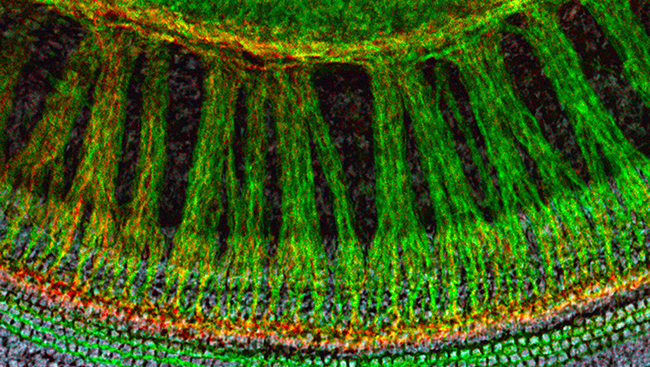 Video Career PathsKathleen Goss, senior science writer and director of strategic partnerships for the University of Chicago Medicine Comprehensive Cancer Center, describes how she uses skills developed in the research lab in her career.Nov 13, 2015
 -
 Article DiversityThe following Q&A with Susan Amara and Sheena Josselyn is adapted from the webinar, In First Person: Tips to Survive and Excel as a Woman in Neuroscience, hosted by SfN’s Women in Neuroscience Subcommittee (WINS).Nov 10, 2015
 -
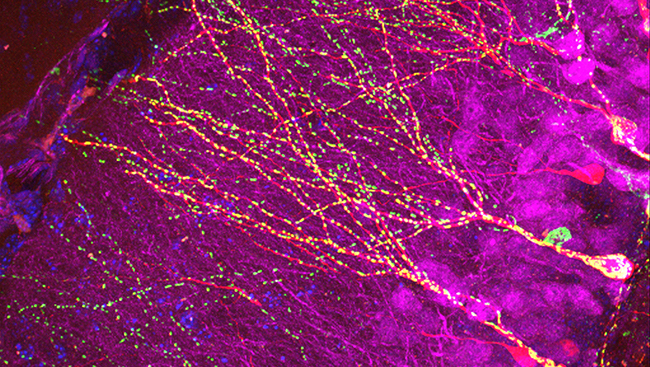 Article Scientific ResearchThe primary component of tobacco driving addiction is nicotine. Nicotine exerts its effects through a class of membrane proteins throughout the brain and body called nicotinic acetylcholine receptors (nAChRs). These receptors are normally activated by the neurotransmitter acetylcholine, but are hijacked by the nicotine in tobacco.Nov 5, 2015
 -
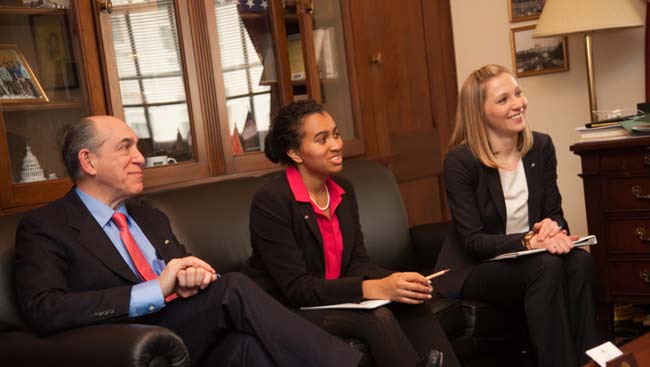 Article Career PathsAre you interested in a career in science policy? Whether you are just beginning to explore your options or looking for ways to enhance your resume in anticipation of your job search, here are six tips for preparing for a science policy career.Nov 3, 2015
 -
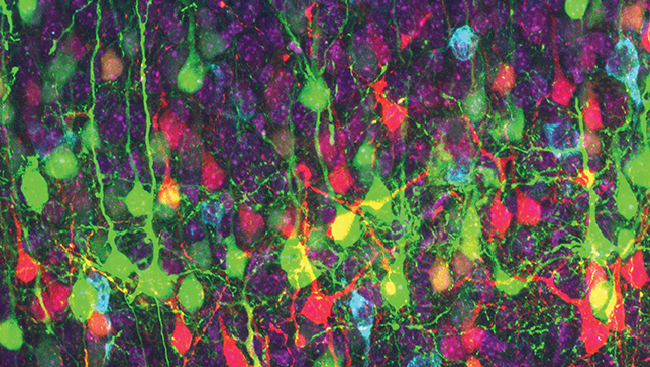 Video Annual Meeting OutreachDespite many challenges, the last decade has seen tremendous progress in neuroscience. To support continued progress, the National Institutes of Health (NIH) has taken a lead role in implementing the President's Brain Research through Advancing Innovative Neurotechnologies (BRAIN) Initiative. Francis Collins, the NIH director, discusses how his agency, working with the neuroscience community, is catalyzing development of technologies to provide dynamic pictures of the brain, both in disease and in health. Collins also examines challenges that cut across biomedical disciplines, and reflect upon opportunities for neuroscientists to face such challenges and generate tomorrow's advances.Oct 29, 2015
 -
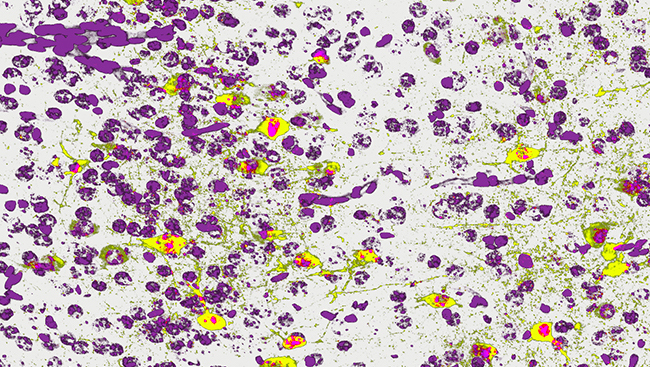 Video Career PathsAbby Cheng, volunteer program manager of the Science Club for Girls, describes how she uses skills developed in the research lab in her career.Oct 29, 2015
 -
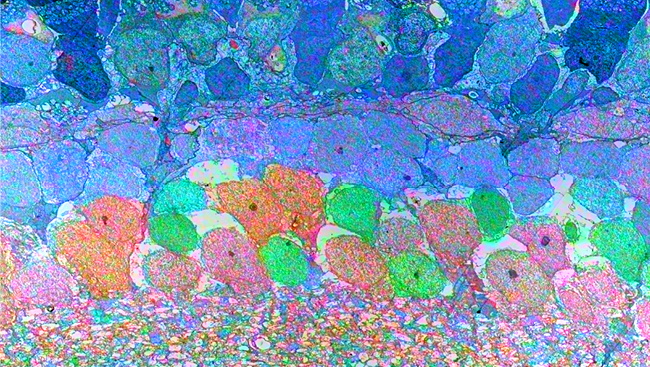 Article Scientific ResearchMany brain disorders vary between the sexes, in their incidence, symptoms, and/or responses to treatment. In most cases, no one knows the sources of these differences: Are they due to intrinsic biological differences between male and female brains? Are they due to cultural differences in how boys and girls are raised – the different experiences of men and women in society?Oct 29, 2015
 -
 Article Professional DevelopmentIf you clearly establish the terms of a mentoring relationship at the outset of your graduate program, there will hopefully be few problems between you and your mentor. However, sometimes situations arise that hinder the timely completion of degree work, such as the birth of a child or a family crisis.Oct 27, 2015




