



Filter
-
(133)
-
(733)
-
(4)
-
(1)
-
(47833)
-
(91)
-
(25)
-
(14)
-
(433)
-
(7)
-
(182)
-
(8)
-
(33)
-
(17)
-
(7)
-
(9)
-
(9)
-
(5)
-
(21)
-
(8)
-
(12)
-
(9)
-
(3)
-
(10)
-
(10)
-
(56)
-
(45)
-
(12)
-
(3)
-
(7)
-
(6)
-
(5)
-
(8)
-
(7)
-
(11)
-
(58)
-
(13)
-
(30)
-
(8)
-
(5)
-
(10)
-
(5)
-
(15)
-
(4)
1131 - 1140
of 52756 results
-
 Journal ArticleHistone deacetylase 3 (HDAC3) is one of the most highly expressed HDACs in the brain shown to be a negative regulator of long-term memory formation. HDAC3 has also been shown to be involved in cocaine-associated behaviors, demonstrated by manipulations in the nucleus accumbens. Previous studies have demonstrated that expression of a dominant negative of a key HDAC3 target gene, nuclear receptor subfamily 4 group A member 2 (NR4A2), in cholinergic neurons of the medial habenula (MHb) blocked reinstatement of cocaine-induced conditioned place preference (CPP) as well as cue-induced intravenous self-administration (IVSA). Together, these findings suggested that HDAC3 would also be important for MHb-dependent reinstatement of CPP and IVSA, which we examined in this study. Contrary to our hypothesis, our results found that expression of an HDAC3 deacetylase dead point mutant within the cholinergic neurons of the mouse MHb had no effect on reinstatement or other cocaine-induced behaviors.May 1, 2025
 -
 Journal ArticlePavlovian conditioning tasks have been used to identify the neural systems involved with learning cue–outcome relationships. In delay conditioning, the conditioned stimulus (CS) overlaps or co-terminates with the unconditioned stimulus (US). Prior studies demonstrate that dopamine in the nucleus accumbens (NAc) regulates behavioral responding during delay conditioning. Furthermore, the dopamine response to the CS reflects the relative value of the upcoming reward in these tasks. In contrast to delay conditioning, trace conditioning involves a “trace” period separating the end of the CS and the US delivery. While dopamine has been implicated in trace conditioning, no studies have examined how NAc dopamine responds to reward-related stimuli in these tasks. Here, we developed a within-subject trace conditioning task where distinct CSs signaled either a short trace period (5 s) or a long trace period (55 s) prior to food reward delivery. Male rats exhibited greater conditioned responding and a faster response ...May 1, 2025
 -
 Journal ArticleThe consequences of aging can vary dramatically between different brain regions and cell types. In the ventral midbrain, dopaminergic neurons develop physiological deficits with normal aging that likely convey susceptibility to neurodegeneration. While nearby GABAergic neurons are thought to be more resilient, decreased GABA signaling in other areas nonetheless correlates with age-related cognitive decline and the development of degenerative diseases. Here, we used two novel cell type-specific translating ribosome affinity purification models to elucidate the impact of healthy brain aging on the molecular profiles of dopamine and GABA neurons in the ventral midbrain. By analyzing differential gene expression from young adult (7-10 months) and old (21-24 months) mice, we detected commonalities in the aging process in both neuronal types, including increased inflammatory responses and upregulation of pro-survival pathways. Both cell types also showed downregulation of genes involved in synaptic connectivity ...May 1, 2025
 -
 Journal ArticleLactate plays an important role in brain energy metabolism. It contributes to normal brain development and to neuroprotection in diabetic hypoglycemia, but its role in neonatal hypoglycemia is unclear. Moreover, lactate can work as a signaling substance via the lactate receptor HCAR1 (Hydroxycarboxylic acid receptor 1). Recent studies indicate that HCAR1 is protective in mouse models of neonatal hypoxic ischemia and has a role in metabolic regulation in glial cells during hypoglycemia. Here we have studied potential impacts of HCAR1 on axonal and myelin development in the cerebral cortex and corpus callosum of young (P21) wild-type (WT) mice and HCAR1 KO mice and in cortical organotypic brain slice cultures. The HCAR1 KO mice showed lower axonal area relative to WT in both cortex and corpus callosum. However, the myelin area was unaffected by HCAR1 KO. Using particle and colocalization analysis, we show that HCAR1 KO predominantly reduces axonal size in unmyelinated axons. Using an organotypic brain slice ...May 1, 2025
 -
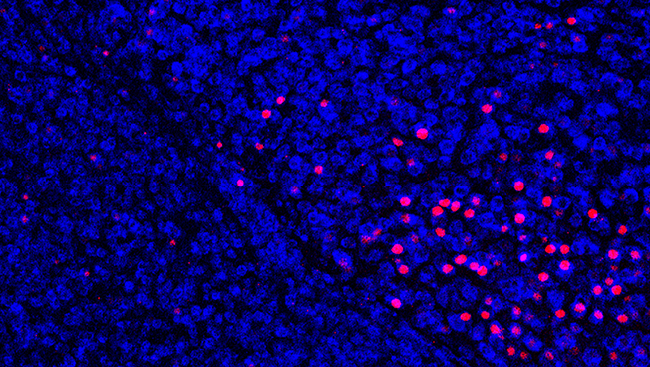 Article Scientific ResearchYou know that eating is vital for your survival, but have you ever thought about how your brain controls how much you eat, when you eat, and what you eat? This is not a trivial question because two-thirds of Americans are either overweight or obese, and overeating is a major cause of this epidemic.Apr 18, 2019
 -
 Webinar Professional DevelopmentThis webinar will show you the broad landscape of European neuroscience networks. Following an introduction to networks and their role in neuroscience, you’ll hear presentations focusing on specific types of networks, with concrete examples. You’ll listen to testimonials from scientists at different career stages on how they’ve benefited from being part of a network. You’ll also have the chance to ask panelists your questions during a live Q&A.Apr 17, 2019
 -
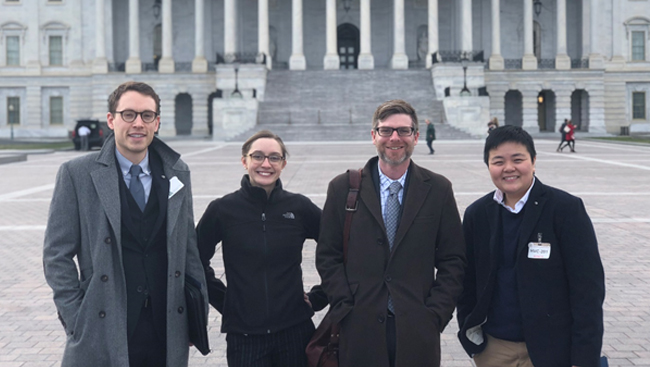 Article AdvocacyJoe Luchsinger started conducting science advocacy because he was passionate about an issue that affected scientists. Now, he regularly hosts lab tours and shares how others can talk with their local policymakers. Read his story and listen to part of his presentation at the Neuroscience 2018 Advocacy Reception, “Engaging Local Policymakers: Strategies for Scientists,” to start making a difference in science policy no matter your level of advocacy experience.Apr 16, 2019
 -
 Podcast Scientific ResearchIn this Meet the Expert, Chenghua Gu discusses new tools and methods her lab is using to study the blood brain barrier in vivo — particularly the relationship between neurons and endothelial cells. The blood brain barrier functions as the gatekeeper of the CNS and the barrier that prevents most drugs from passing from the bloodstream into the CNS. The Gu Lab seeks to investigate the fundamental cellular and molecular mechanisms that govern the formation and regulation of the blood brain barrier, as well as how neural and vascular systems work together to ensure proper brain function. Increased understanding of the mechanisms and functional aspects of neurovascular interactions has potential to enable bidirectional manipulation of the blood brain barrier.Apr 9, 2019
 -
 Journal ArticleIn the Syngap+/- model of SYNGAP1-related intellectual disability (SRID), excessive neuronal protein synthesis is linked to deficits in synaptic plasticity. Here, we use Translating Ribosome Affinity Purification and RNA-seq (TRAP-seq) to identify mistranslating mRNAs in Syngap+/- CA1 pyramidal neurons that exhibit occluded long-term potentiation (LTP). We find the translation environment is significantly altered in a manner that is distinct from the Fmr1-/y model of Fragile X Syndrome (FXS), another monogenic model of autism and intellectual disability (ID). The Syngap+/- translatome is enriched for regulators of DNA repair, and mimics changes induced with chemical LTP (cLTP) in WT. This includes a striking upregulation in the translation of mRNAs with a longer length (>2kb) coding sequence (CDS). In contrast, long CDS transcripts are downregulated with induction of Gp1 metabotropic glutamate receptor induced long-term depression (mGluR-LTD) in WT, and in the Fmr1-/y model that exhibits occluded mGluR-LTD...Apr 28, 2025
 -
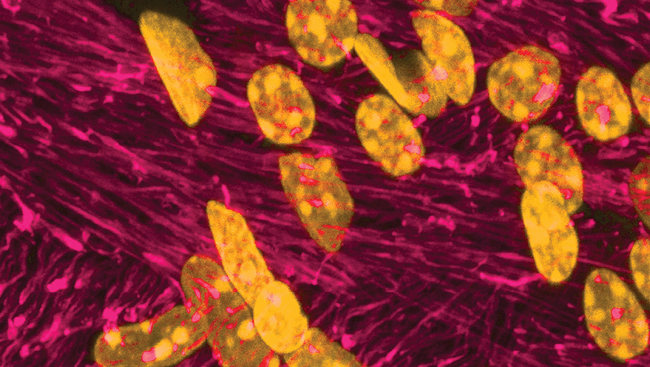 Article Scientific ResearchAll nervous systems adapt to changes in the environment and the internal state of the animal. Such flexibility is essential to producing behaviors in different contexts. Much of this plasticity arises through the actions of neuromodulators, which actively reshape the activity and output of neuronal circuits by modifying neuronal excitability and synaptic transmission, typically by activating distinct G protein-coupled receptor-mediated pathways. Prominent examples include modulatory actions mediating distinct brain or behavioral states, such as the function of serotonin in regulating mood, or the sleep-wake cycles mediated by monoamines and peptides, such as orexin. Although it is tempting to equate the actions of individual neuromodulators with specific behaviors or even brain states, neural circuits are not exposed to neuromodulators one at a time.Apr 4, 2019




