



Filter
-
(133)
-
(734)
-
(4)
-
(1)
-
(47853)
-
(92)
-
(25)
-
(14)
-
(435)
-
(7)
-
(185)
-
(8)
-
(33)
-
(17)
-
(7)
-
(10)
-
(9)
-
(5)
-
(21)
-
(8)
-
(12)
-
(9)
-
(3)
-
(10)
-
(10)
-
(56)
-
(45)
-
(12)
-
(3)
-
(7)
-
(6)
-
(5)
-
(8)
-
(7)
-
(11)
-
(58)
-
(13)
-
(31)
-
(8)
-
(5)
-
(10)
-
(5)
-
(16)
-
(4)
5591 - 5600
of 52788 results
-
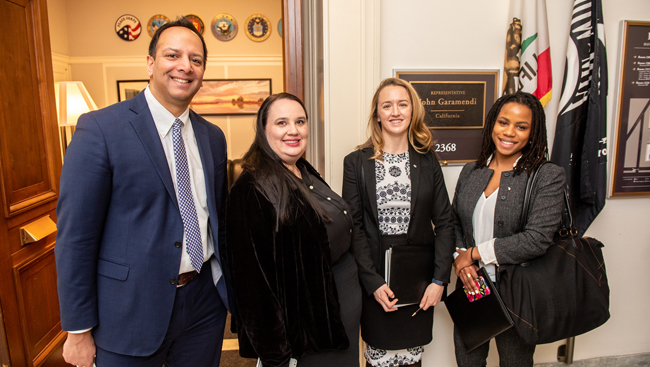 Video AdvocacyThere are many opportunities to partner with SfN and other like-minded advocates, whether you’re just beginning or have years of experience. We have many materials that you can use to help you get started, continue, or bolster your advocacy activities. This video will cover: • Resources available to support your growth as an advocate. • Why it’s encouraged to tell SfN about your advocacy activities and how to get in touch. • Simple ways to get started.
 -
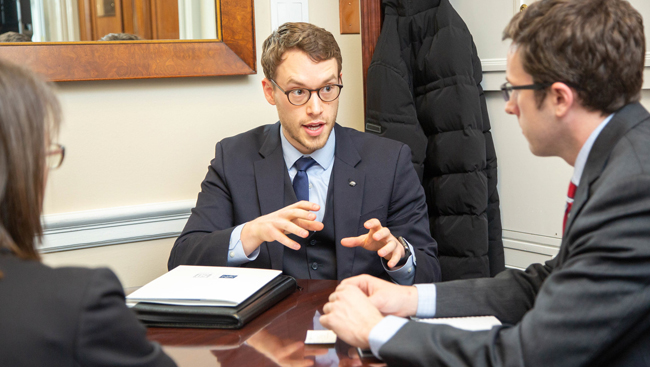 Video AdvocacyYour personal story is the foundation of your advocacy and outreach efforts, regardless of your scientific background. Learn how to cater your story to this audience — elected officials — and how it differs from speaking with colleagues or the public. This video includes an example of a direct comparison between a collegial introduction to other scientists and an elevator pitch that’s used on Capitol Hill. This video will cover: • Key elements to an effective research story. • How to be memorable among many other advocates and priorities by putting a face to research funding. • Ways to update your scientific elevator pitch for a conversation with a Congressional office.
 -
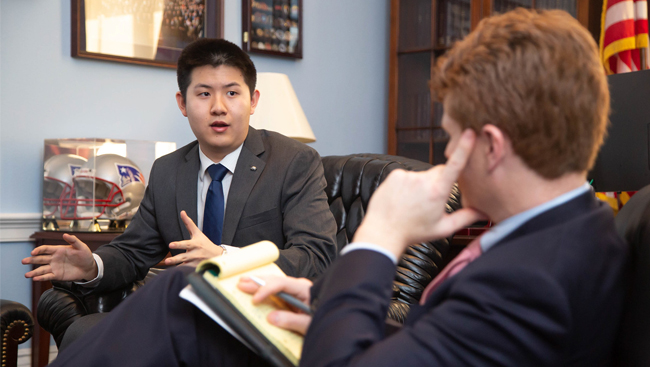 Video AdvocacyFace-to-face meetings with members of Congress or their staff are the most effective way to convey the importance of biomedical research funding. Learning the specifics of what to do before, during, and after a meeting will help you see how to make a lasting impression and foster a relationship with your representatives. This video will cover: • How to prepare for a meeting, effectively execute, and then follow up. • Ways to structure the conversation around what Congressional offices find valuable. • The importance of developing relationships with your member of Congress.
 -
 This interview series highlights the career paths and scientific accomplishments of women at the forefront of historically male-dominated fields including neuroscience, engineering, and technology. Many of these fields are increasingly intertwining and becoming relevant to the advancement of our collective scientific knowledge. The articles in this series provide role models for women considering careers in these areas of research.
 -
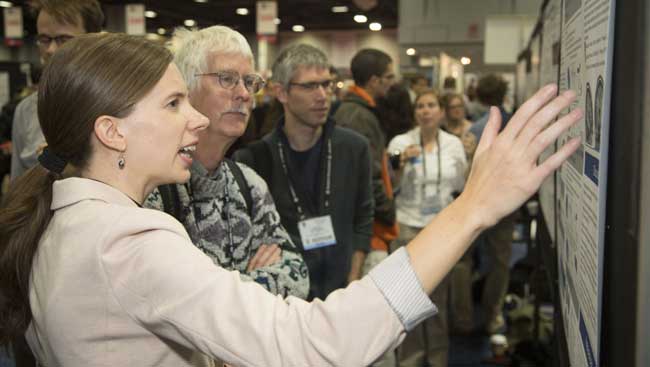 Poster CommunityWe're refreshing this content. Please return soon to see what's new. This training module will help you to: Learn to create a favorable work climate Support the career advancement of science faculty Recognize accomplishments in departments Establish the importance of a supportive and inclusive institution




