



Filter
-
(133)
-
(733)
-
(4)
-
(1)
-
(47830)
-
(91)
-
(25)
-
(14)
-
(433)
-
(7)
-
(181)
-
(8)
-
(33)
-
(17)
-
(7)
-
(9)
-
(9)
-
(5)
-
(21)
-
(8)
-
(12)
-
(9)
-
(3)
-
(10)
-
(10)
-
(56)
-
(45)
-
(12)
-
(3)
-
(7)
-
(6)
-
(5)
-
(8)
-
(7)
-
(11)
-
(58)
-
(13)
-
(30)
-
(8)
-
(5)
-
(10)
-
(5)
-
(14)
-
(4)
311 - 320
of 52751 results
-
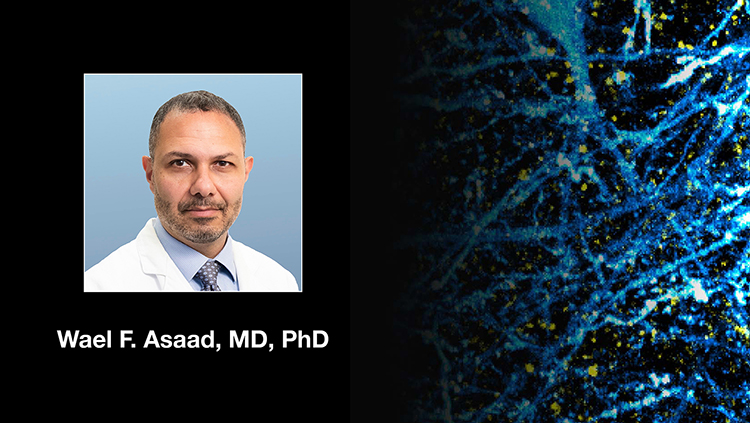 Webinar Video Scientific ResearchNeurosurgeons have unique access to the human brain. In just the last 10 years, neurosurgical techniques have advanced rapidly such that opportunities to study neural activity and neuromodulation in acute and chronic settings have multiplied. This session will discuss how a background in nonhuman primate neurophysiology has translated into work studying both pathological and normal human brain function across movement disorders, epilepsy, and intractable psychiatric disease.Sep 28, 2023
 -
 Video Scientific ResearchThis session will reflect upon the speaker’s progression — from a curious child interested in animal behavior, to a neuroscientist evaluating neural processes underlying cognitive functions — and discuss how current technology enables the study of thousands of brain cells simultaneously to identify the central algorithms of the cortex. The path to success goes through collaboration, and through the creation of a science environment valuing happiness and diversity in people as well as animals.Sep 27, 2023
 -
 Webinar Video Scientific ResearchCommunication in all neural circuits is controlled by a remarkably similar, highly specialized site of cell-cell contact known as a synapse. The human brain contains trillions of these structures. Many open questions remain regarding how synapses are formed and lost, their nanoscale organization, and how defects in synaptic organization are linked to pathology and disease. This session will discuss a path toward defining basic molecular mechanisms that regulate synaptic development, organization, and function, as well as how this is advancing in unexpected directions.Sep 27, 2023
 -
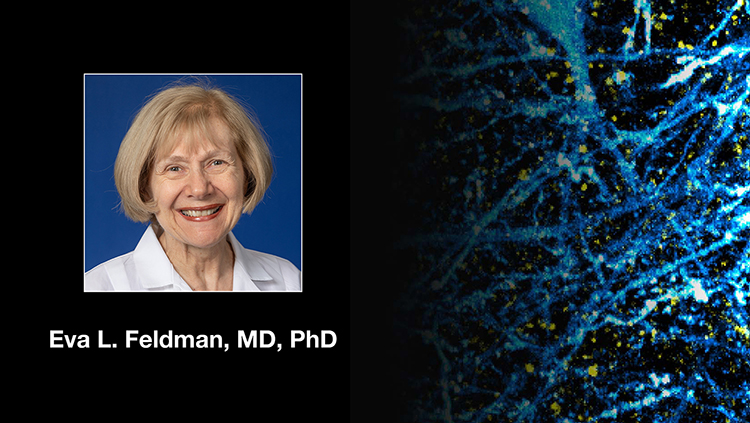 Video Webinar Scientific ResearchThis session features a clinician scientist whose career in neurology and neuroscience focuses on understanding the underlying causes of ALS and other neurodegenerative diseases, as well as the factors that determine disease susceptibility versus disease resilience. Clinical studies have linked ALS risk with select occupations, environmental pollution, polygenic risk, and changes in the immune system. The speaker’s goal, motivated by the new ALS cases diagnosed weekly, is to make ALS a preventable disease by modifying currently identified and future ALS risk factors.Sep 27, 2023
 -
 Video Scientific ResearchAcetylcholine (ACh) transmission is critical for cognition and attention but is also released in response to stress. Importantly, ACh levels are dysregulated in the brains of human depressed subjects. Using the example of ACh signaling in stress-relevant behaviors, this session will present data using genetically-encoded fluorescent ACh sensors, explore what we can conclude about human stress disorders from mouse models, and address the question of what a neuromodulator is in the context of classical neurotransmitter signaling.Sep 27, 2023
 -
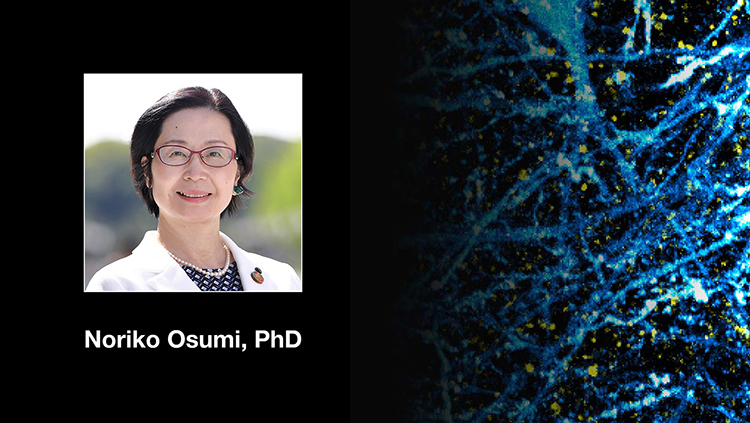 Video Scientific ResearchFrom the point of view of a developmental neurobiologist and university vice president promoting communications and diversity, this session will discuss the importance of networking, mentorship, and the need for diverse role models to inspire the next generation of neuroscientists worldwide. Case studies and insights to help young researchers navigate this exciting and evolving field of developmental neurobiology will be shared.Sep 27, 2023
 -
 Video Scientific ResearchInterest in myelinated cells for neurobiologists has essentially been driven by research on demyelinating disorders. The majority of myelin is formed postnatally in the rodents and by adulthood in humans. Although myelin plasticity in response to neuronal activity is an old observation, its extent has been appreciated relatively recently. However, over recent years, myelinating cells have been found to participate to neural plasticity, being modified by neural activity, and in turn modulating the activity of neurons, and possibly vasculature.Sep 22, 2023
 -
Video Scientific ResearchThree speakers from preclinical and clinical research field will shed light on the proposed topic. This webinar provides an opportunity to gain expertise in the field of natural and synthetic cannabinoids by an overview of the detrimental effects of natural cannabinoids and increased risk of psychiatric disorders in humans (Marta Di Forti), and neuropsychiatric sequelae of their toxicity in adolescents (Yasmin Hurd), and up-to-date information of the pharmacological and toxicological properties of synthetic cannabinoids, as estimated by preclinical models of drug dependence (Maria Antonietta De Luca).Sep 22, 2023
-
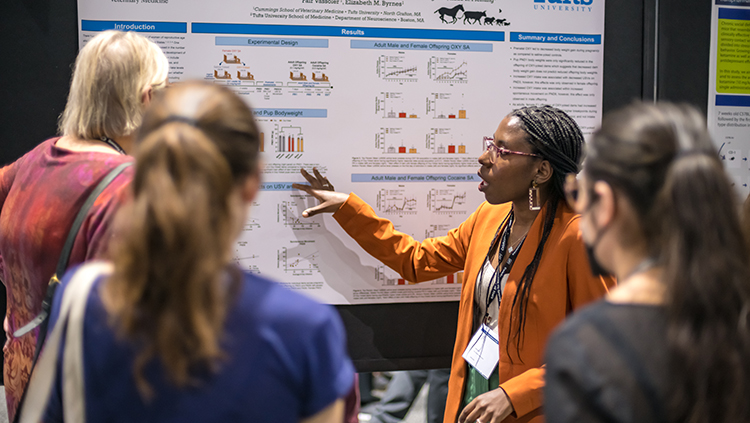 Video Professional DevelopmentIn this one-hour long webinar, we will discuss key points of poster preparation and presentation, including where to start, how to visualize your ideas using text and figures, how to present to different audiences, how to handle questions and discussions at your poster, and how to follow up with your audience.Sep 18, 2023
 -
 Journal ArticleNeural and behavioral correlates of evidence accumulation in human click-based echolocation | eNeuroEcholocation enables blind individuals to perceive and navigate their environment by emitting clicks and interpreting their returning echoes. While expert blind echolocators demonstrate remarkable spatial accuracy, the behavioral and neural mechanisms by which spatial echoacoustic cues are combined across repeated samples remain less explored. Here, we investigated the temporal dynamics of spatial information processing in human click-based echolocation using EEG. Blind expert echolocators (n=4, all males) and novice sighted participants (n=21, 12 males) localized virtual spatialized echoes derived from realistic synthesized mouth clicks, presented in trains of 2–11 clicks. Behavioral results showed that blind expert echolocators significantly outperformed sighted controls in spatial localization. For these experts, localization thresholds decreased as the number of clicks increased, a pattern consistent with cumulative integration of spatial information across repeated samples. EEG decoding analyses revea...Apr 6, 2026




