



Filter
-
(133)
-
(733)
-
(4)
-
(1)
-
(47830)
-
(91)
-
(25)
-
(14)
-
(433)
-
(7)
-
(181)
-
(8)
-
(33)
-
(17)
-
(7)
-
(9)
-
(9)
-
(5)
-
(21)
-
(8)
-
(12)
-
(9)
-
(3)
-
(10)
-
(10)
-
(56)
-
(45)
-
(12)
-
(3)
-
(7)
-
(6)
-
(5)
-
(8)
-
(7)
-
(11)
-
(58)
-
(13)
-
(30)
-
(8)
-
(5)
-
(10)
-
(5)
-
(14)
-
(4)
201 - 210
of 52751 results
-
 Webinar Video Scientific ResearchThis session will discuss how ethnicity, gender, vocabulary, and culture affect the types of experiments scientists perform, how they interpret their findings, and what career decisions they make. This includes the terminology that neuroscience uses to describe regions and functions of the brain.Jul 17, 2024
 -
 Webinar Video Professional DevelopmentProper visualization of data is critical for accurately explaining one's research findings. This session discusses the importance of data visualization in scientific publishing, including underlying concepts, best practices when conveying results, and ethical ramifications of image manipulation.Jul 15, 2024
 -
 Elena Kozina, PhD, is a faculty research associate at Thomas Jefferson University in Philadelphia, Pa., dedicated to the exploration of neuro-immune interactions and cell biology of Parkinson's disease.Jul 10, 2024
 -
 Article AdvocacyLearn about Elena Kozina, PhD, a 2024 Early Career Policy Ambassador and Parkinson’s researcher at Thomas Jefferson University, as she details how growing up and attending college in post-Soviet Russia has instilled in her a passion for science advocacy.Jul 10, 2024
 -
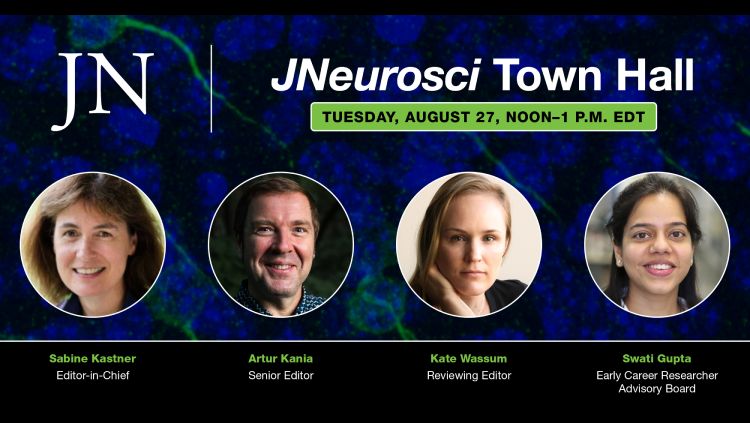 Webinar Video Professional DevelopmentQuestions about submitting to The Journal of Neuroscience, getting more involved with peer review, or scientific publishing as a whole? This town hall is your opportunity to have them answered directly by Editor-in-Chief Sabine Kastner and other members of the JNeurosci Editorial Board.Jul 9, 2024
 -
 Article Scientific ResearchValéria Muoio, a neuroscientist and neurosurgeon at the University of São Paulo and Neuronline Community Leader, describes the important work being done in the Brazilian Amazon rainforest to implement initiatives to help care for and preserve the local inhabitants, as well as the rainforest itself.Jun 27, 2024
 -
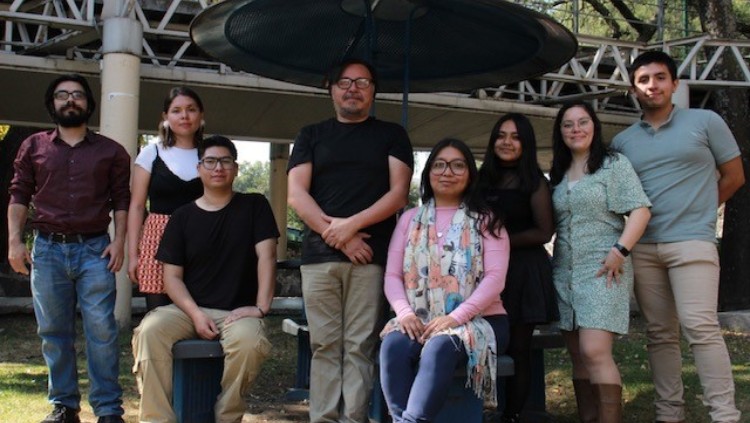 Article Career PathsHugo Sánchez Castillo shares his journey of finding a postdoctoral position after completing his doctoral studies at the National University of Mexico. He discusses the challenges he faced, including societal pressures and the importance of aligning personal interests with the chosen institution. Ultimately, he emphasizes that a postdoc is not just an opportunity for scientific growth, but also for building networks, learning about culture, and personal development.Jun 20, 2024
 -
 Article AdvocacyRead onto learn about Thomas Xin, fourth-year graduate student in the Interdepartmental Neuroscience Program at Yale University, interested in communicating science to the public and advocating for those affected by uncertain NIH funding.Jun 12, 2024
 -
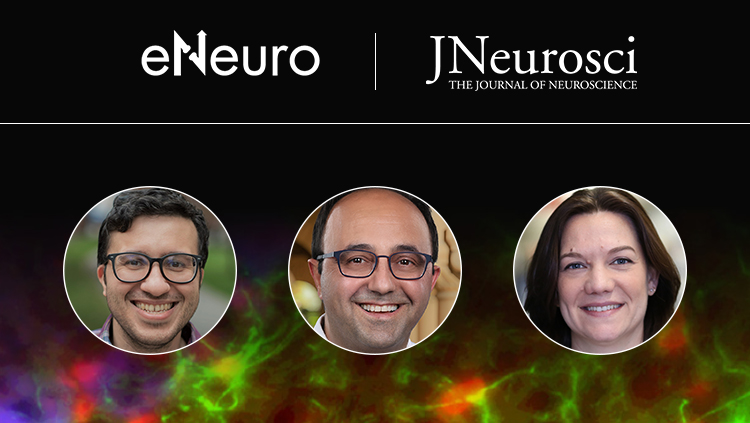 Webinar Video Scientific ResearchJoin this interactive session as Behzad Iravani and Josef Parvizi discuss their paper, “Intracranial Recordings of the Human Orbitofrontal Cortical Activity during Self-Referential Episodic and Valenced Self-Judgments”, with JNeurosci Reviewing Editor Erin Rich.Jun 11, 2024
 -
 Journal ArticleAcross species, adolescence is a time of heightened reward sensitivity and enhanced impulsivity and risk-taking. In adults, these behavioral features are linked with a tendency to approach and interact with reward-associated cues – a behavior known as sign tracking – which is thought to reflect the transfer of incentive salience from reward to cue. Counterintuitively, adolescents are less likely to exhibit sign tracking, compared with adults, and more likely to exhibit goal tracking, or approach to the site of reward. To investigate a possible neural basis for this age difference, we recorded the activity of individual neurons in the nucleus accumbens (NAc) of male and female rats during Pavlovian conditioning in adolescence and adulthood. In a separate group, we used a fluorescent indicator (GRABDA) to measure dopamine release at the same ages. We found that cue-evoked NAc activity increased over the course of training in adolescents and then further in adulthood. The majority of adolescents were goal tra...Jun 12, 2026




