



Filter
-
(133)
-
(733)
-
(4)
-
(1)
-
(47833)
-
(91)
-
(25)
-
(14)
-
(433)
-
(7)
-
(182)
-
(8)
-
(33)
-
(17)
-
(7)
-
(9)
-
(9)
-
(5)
-
(21)
-
(8)
-
(12)
-
(9)
-
(3)
-
(10)
-
(10)
-
(56)
-
(45)
-
(12)
-
(3)
-
(7)
-
(6)
-
(5)
-
(8)
-
(7)
-
(11)
-
(58)
-
(13)
-
(30)
-
(8)
-
(5)
-
(10)
-
(5)
-
(15)
-
(4)
1901 - 1910
of 52756 results
-
 Article Scientific ResearchAs you review a manuscript, focusing on the quality of the work and the presentation of the paper will help you conduct a thorough and fair assessment.Dec 15, 2015
 -
 Journal ArticleIn the presence of temporally organized stimuli, there is a tendency to entrain to the beat, even at the neurological level. Previous research has shown that when adults listen to rhythmic stimuli and are asked to imagine the beat, their neural responses are the same as when the beat is physically accented. The current study explores the neural processing of simple beat structures where the beat is physically accented or inferred from a previously presented physically accented beat structure in a passive listening context. We further explore the associations of these neural correlates with behavioral and self-reported measures of musicality. Fifty-seven participants completed a passive listening EEG paradigm, a behavioral rhythm discrimination task, and a self-reported musicality questionnaire. Our findings suggest that when the beat is physically accented individuals demonstrate distinct neural responses to the beat in the beta (13-23 Hz) and gamma (24-50Hz) frequency bands. We further find that the neura...Oct 14, 2024
 -
 Video Career PathsDon Wyma, assistant director of planning and portfolio support at Abbott/AbbVie, describes how he uses skills developed in the research lab in his career. Go "Beyond the Lab" with former PhD students and postdocs from Vanderbilt University School of Medicine. Through the ASPIRE Program, which is funded by a BEST grant from the NIH, the Biomedical Research Education and Training office at Vanderbilt has produced a video series highlighting the varied jobs that PhDs in the biomedical sciences pursue after their training is complete. The series interviews Vanderbilt alumni about their career and their advice for others who want to pursue similar professional paths.Dec 10, 2015
 -
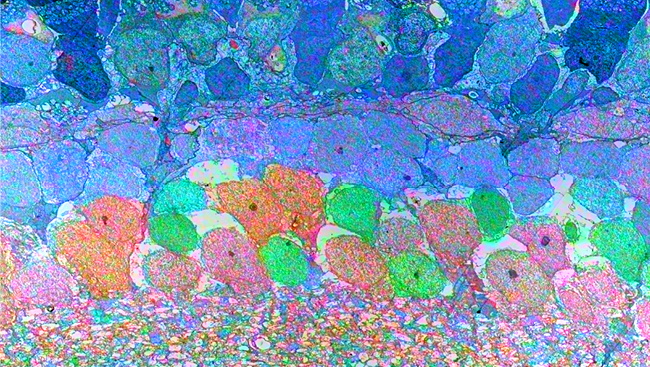 Article Scientific ResearchThe ventral tegmental (VTA) is a complex and heterogeneous structure. Dopaminergic (DA) neurons are a major population of VTA neurons and play a crucial role in reward processes, motivated behavior and drug addiction. Opiate addiction is a growing public health problem, and understanding the mechanisms of opiate actions in brain is crucial in order to treat dependent patients. For those reasons, we focused this study on the acute and chronic effects of morphine on the activity of VTA DA neurons.Dec 10, 2015
 -
 Article Scientific ResearchTalking about the importance of animal research with the public is something that every neuroscientist can and should do.Dec 8, 2015
 -
 Article Scientific ResearchGhrelin’s been a star among many researchers since its discovery in 1999. Its rise to fame is largely attributed to its role in feeding behavior, an area eagerly being examined as a result of our current obesity problems. Ghrelin, a peptide produced primarily by the stomach, increases food intake and preference for fatty foods, and protects fat stores.Dec 3, 2015
 -
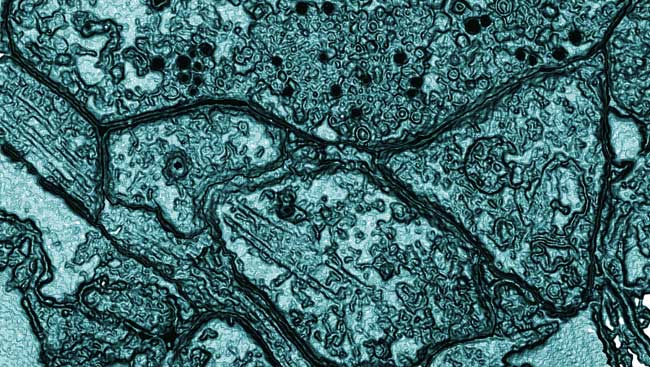 Article AdvocacyAs a postdoc at the National Institute of Environmental Health Sciences (NIEHS), I am considered a trainee and not a federal employee. Trainees are limited in the types of advocacy activities we can do. For example, we cannot sponsor events. We also cannot advocate for specific funding levels to our elected members of Congress with our government affiliation, though we can do this as “off-duty” citizens. So, when I was selected as an SfN Early Career Policy Fellow (ECPF) in 2014, my primary goal was to reactivate a 15-plus year dormant local SfN Chapter in Research Triangle Park, North Carolina, so that I could use the chapter as my affiliation to procure funds for advocacy.Dec 1, 2015
 -
 Article TrainingIn an interview in Nature, Roberto Kolter, professor of microbiology at Harvard Medical School, shared why he accepts certain postdocs and how he prepares them for career success. In this Q&A, Kolter further explains how he manages his lab, including the focus and variety of research, mentoring, and preparing postdocs for different career paths. Although Professor Kolter is a microbiologist, his perspective applies broadly, including neuroscience.Dec 1, 2015
 -
 Video Annual Meeting Professional DevelopmentReceiving sound career advice and mentorship is all about bridging connections, communicating well, and knowing what you want. Watch experts share how to approach people for career guidance and form successful formal or informal mentoring relationships.Dec 1, 2015
 -
 Article Scientific ResearchReviewers are valuable members of the journal community. Before you accept the responsibility to review, consider the basics of the process and your role in it.Nov 23, 2015




