



Filter
-
(133)
-
(733)
-
(4)
-
(1)
-
(47833)
-
(91)
-
(25)
-
(14)
-
(433)
-
(7)
-
(182)
-
(8)
-
(33)
-
(17)
-
(7)
-
(9)
-
(9)
-
(5)
-
(21)
-
(8)
-
(12)
-
(9)
-
(3)
-
(10)
-
(10)
-
(56)
-
(45)
-
(12)
-
(3)
-
(7)
-
(6)
-
(5)
-
(8)
-
(7)
-
(11)
-
(58)
-
(13)
-
(30)
-
(8)
-
(5)
-
(10)
-
(5)
-
(15)
-
(4)
1451 - 1460
of 52756 results
-
 Journal ArticleA common impairment in aging is age-related hearing loss (presbycusis), which manifests as impaired spectrotemporal processing. Presbycusis can be caused by a dysfunction of the peripheral and central auditory system, and these dysfunctions might differ between the sexes. To date, the circuit mechanisms in the central nervous system responsible for age-related auditory dysfunction remain mostly unknown. In the auditory cortex (ACtx), aging is accompanied by alteration in normal inhibitory (GABA) neurotransmission and changes in excitatory (NMDA and AMPA) synapses, but which circuits are affected has been unclear. Here we investigated how auditory cortical microcircuits change with age and if sex-dependent differences existed. We performed laser-scanning photostimulation (LSPS) combined with whole-cell patch-clamp recordings from layer (L) 2/3 cells in the primary auditory cortex (A1) in young adult (2–3 months) and aged (older than 18 months) male and female CBA/CaJ mice which have normal peripheral hearin...Feb 1, 2025
 -
 Journal ArticleTransgenic mice provide unprecedented access to manipulate and visualize neural circuits; however, those on a C57BL/6 background develop progressive hearing loss, significantly confounding systems-level and behavioral analysis. While outbreeding can limit hearing loss, it introduces strain variability and complicates the generation of complex genotypes. Here, we propose an approach to preserve hearing by crossing transgenic mice with congenic B6.CAST- Cdh23Ahl + mice, which maintain low-threshold hearing into adulthood. Widefield and two-photon imaging of the auditory cortex revealed that 2.5-month-old C57BL/6 mice exhibit elevated thresholds to high-frequency tones and widespread cortical reorganization, with most neurons responding best to lower frequencies. In contrast, Ahl+ C57BL/6 mice exhibited robust neural responses across tested frequencies and sound levels (4–64 kHz, 30–90 dB SPL) and retained low thresholds into adulthood. Our approach offers a cost-effective solution for generating complex geno...Feb 1, 2025
 -
 Journal ArticleGrowth hormone (GH) is a neuromodulator that binds to receptors in the hippocampus and alters synaptic plasticity. A decline in GH levels is associated with normal aging, stress, and disease, and the mechanisms proposed involve the hippocampal circuit plasticity. To see how GH affects the hippocampal neural code, we recorded single neurons in the CA1 region of male Long–Evans rats with locally altered GH levels. Rats received injections of adeno-associated viruses into the hippocampus to make the cells overexpress either GH or an antagonizing mutated GH (aGH). Place cells were recorded in both familiar and novel environments to allow the assessment of pattern separation in the neural representations termed remapping. All the animals showed intact and stable place fields in the familiar environment. In the novel environment, aGH transfection increased the average firing rate, peak rate, and information density of the CA1 place fields. The tendency of global remapping increased in the GH animals compared wit...Feb 1, 2025
 -
 Article TrainingIan Paul and Alan Sved discuss how faculty can create effective and measurable goals and objectives for students enrolled in an interdisciplinary program.Nov 21, 2017
 -
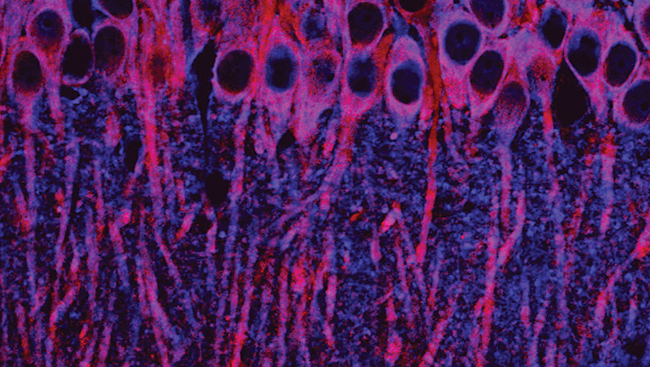 Article Scientific ResearchMany people chronically suffer from sleep disorders that hinder daily functioning and adversely affect health and longevity. Despite the discovery of some basic neurobiological concepts, the cellular and molecular mechanisms involved in sleep promotion and in the coordinated succession of behavioral states remain largely unknown and are the subject of intense research.Nov 21, 2017
 -
Journal ArticleBreathing is a complex neuromuscular process vital to sustain life. In pre-clinical animal models, the study of respiratory motor control is primarily accomplished through neurophysiologic recordings and functional measurements of respiratory output. Neurophysiologic recordings that target neural or muscular output via direct nerve recordings or respiratory muscle electromyography (EMG) are commonly collected during anesthetized conditions. While offering tight control of experimental preparations, the use of anesthesia results in respiratory depression, may impact cardiovascular control, eliminates the potential to record volitional non-ventilatory behaviors, and can limit translation. Since the diaphragm is a unique muscle which is rhythmically active and difficult to access, placing diaphragm EMGs to collect chronic recordings in awake animals is technically challenging. Here, we describe methods for fabricating and implanting indwelling diaphragm EMG electrodes to enable recordings from awake rodents f...Jan 31, 2025
-
Journal ArticleThe amygdala is believed to make invaluable contributions to visual emotion processing. Yet how this subcortical body contributes to emotion perception across time is contended. Here, we measured differences in the perceptual processing of emotional stimuli after unilateral temporal lobe and amygdala resection (TLR) in humans, using EEG. Through mass univariate analysis of brain activity, we compared responses to fearful and neutral faces (left TLR N = 8, right TLR N = 8, control N = 8), and fearful and neutral bodies (left TLR N = 9, right TLR N = 9, control N = 9). We found that TLR impaired the early-stage perceptual processing of emotional stimuli seen in the control group. Indeed, in controls a heightened responses to fearful faces was found in the 140-170 ms time window, over temporo-parietal electrodes. This effect was also present in the left TLR group but disappeared in the right TLR group. For emotional bodies, brain activity was differentially sensitive to fearful stimuli at 90-120 ms in the con...Jan 31, 2025
-
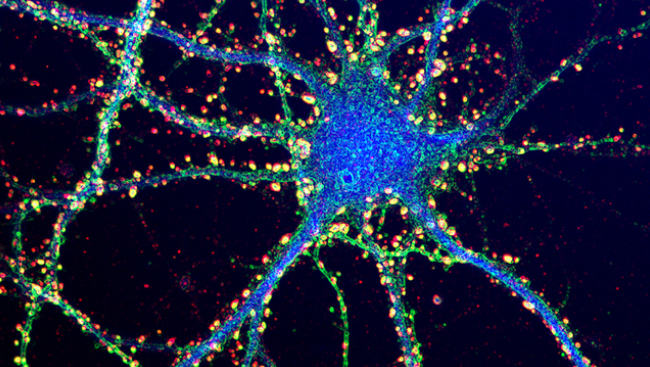 Webinar Professional DevelopmentThis webinar will provide scientists with information about how to develop precise and effective significance statements to accompany their work. These statements are increasingly being used by agencies reviewing science for funding opportunities, editorial reviewers for publication in scientific journals, and the media. The goal of this webinar is to inform the neuroscience community about the benefits of creating a significance statement in a way that peaks the interest of others in the field, as well as laypersons, which can lead to opportunities for published research and/or funding.Nov 14, 2017
 -
 Article OutreachAs my research in graduate school has developed, it has become clear how important federal and state funding is to my future.Nov 14, 2017
 -
 Webinar AdvocacyPublic support of science can be instrumental in influencing congressional support of research funding. While public support for science is strong, few Americans understand our nation’s scientific enterprise.Nov 8, 2017




