



Filter
-
(133)
-
(733)
-
(4)
-
(1)
-
(47833)
-
(91)
-
(25)
-
(14)
-
(433)
-
(7)
-
(182)
-
(8)
-
(33)
-
(17)
-
(7)
-
(9)
-
(9)
-
(5)
-
(21)
-
(8)
-
(12)
-
(9)
-
(3)
-
(10)
-
(10)
-
(56)
-
(45)
-
(12)
-
(3)
-
(7)
-
(6)
-
(5)
-
(8)
-
(7)
-
(11)
-
(58)
-
(13)
-
(30)
-
(8)
-
(5)
-
(10)
-
(5)
-
(15)
-
(4)
1261 - 1270
of 52756 results
-
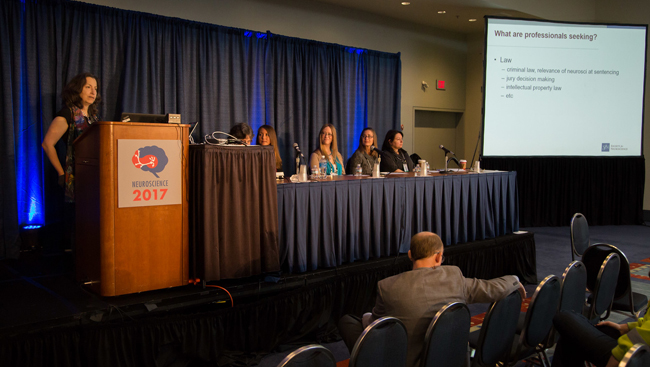 Video Annual Meeting OutreachEngagement is rewarding for individual neuroscientists and the field as a whole, but it can be challenging to effectively organize and perform. This Neuroscience 2017 workshop offers resources and hard-won perspectives on how to incorporate meaningful neuroscience public engagement into your professional portfolio without sacrificing other responsibilities.Aug 8, 2018
 -
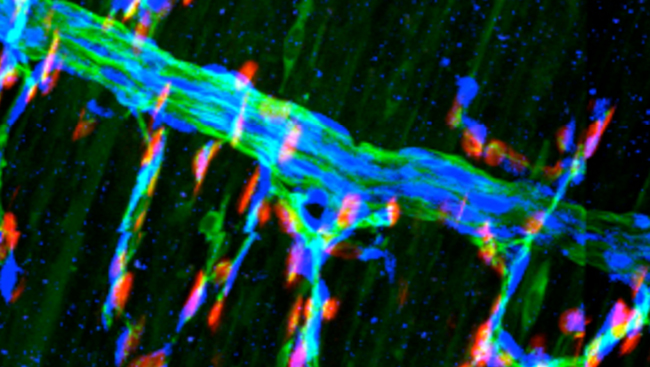 Article Scientific ResearchProtein synthesis, or mRNA translation, is a key step in the gene-expression pathway. Initiation of translation is the rate-limiting step in protein synthesis, where the majority of regulatory events occur. Eukaryotic initiation factor 4E (eIF4E) binds to the five-prime cap structure of mRNA and regulates translation initiation by forming a multiprotein complex called eIF4F. This multiprotein complex recruits the small ribosomal subunit to the five-prime cap of mRNA and has been extensively shown to regulate the translation of different subsets of mRNAs in different cell types without affecting global protein synthesis. This series of regulatory events are defined as translational control and have been shown to be important in cancer, the immune system, synaptic plasticity, learning and memory, and neurodevelopmental disorders.Aug 2, 2018
 -
 Video Training Series TrainingLearn basic elements of experimental design that are particularly relevant in optogenetic experiments from co-organizer Alexandra Nelson. After reviewing the materials in Module 6, you should be able to: - Describe some of the common designs of optogenetic behavioral studies, and their advantages and disadvantages. - Identify some of the common pitfalls of optogenetics study design that might lead to challenges in reproducibility. - Describe some of the sources of variability that can be minimized during experimental execution.Aug 1, 2018
 -
 Poster Training Series TrainingLearn the fundamentals of ex vivo applications of optogenetic manipulations, including basic experimental design and required equipment. After reviewing the materials in Module 3, you should be able to: - Define the type of scientific questions that can be addressed using optogenetics in ex vivo preparations, and provide examples. - Understand proper experimental design of ex vivo optogenetic experiments. - Compare optogenetics to alternative ex vivo methodologies. - List key concepts in the design and interpretation of ex vivo optogenetic experiments. - Discuss the basic setup of ex vivo optogenetic experiments.Aug 1, 2018
 -
 Video Training Series TrainingThis presentation features the series co-organizers, Kamran Khodakhah, Alexandra Nelson, and Veronica Alvarez. Learn basic information about optogenetics and hear an overview of this training series, which provides foundational information to help neuroscientists better understand how to rigorously and effectively implement optogenetics methods in their research. After reviewing the video in Module 1, you should be able to: - Describe what optogenetics is and for what it was developed. - Understand the objectives of SfN’s optogenetics training series. - Understand the organization of the training series and how to engage with the resources.Aug 1, 2018
 -
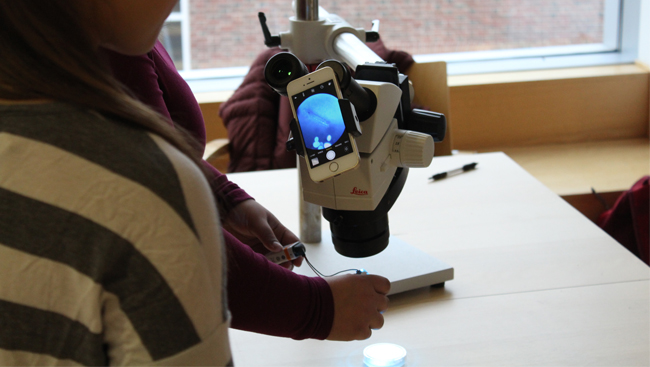 Poster Training Series TrainingLearn how to bring optogenetics into undergraduate teaching labs using Drosophila or C. elegens models. You will get ideas from the demonstration video, lists of resources, and first-hand case studies prepared by Heather Rhodes, who works at the undergraduate institution, Denison University. After reviewing the materials in Module 5, you should be able to: - Access readily available C. elegans or Drosophila lines to demonstrate optogenetics in the classroom. - Understand how to assemble simple, low-cost equipment to conduct these experiments. - Use provided resources to run hands-on, inquiry-based student experiments.Aug 1, 2018
 -
 Poster TrainingLearn basic approaches for implementing optogenetics methods to investigate brain function, including how to choose optogenetics versus other approaches, parameters for opsin selection, and pros and cons of different delivery methods. After reviewing the materials in Module 2, you should be able to: - Identify the advantages and disadvantages of optogenetic techniques compared to other techniques that explore the neural basis of behavior. - Understand the basic parameters of optogenetic tools. - Understand how to design appropriate light trains for optogenetic stimulation by taking account of the kinetics of optogenetic actuators. - Describe how to obtain and validate expression of optogenetic tools. - Identify factors important to consider when using optogenetic tools in combination with each other or other optical methods. - Describe pros and cons of different opsin delivery methods. - Comprehend the importance of adeno-associated virus (AAV) serotypes in regulating tropism, retrograde versus anterograde transport, and other factors.Aug 1, 2018
 -
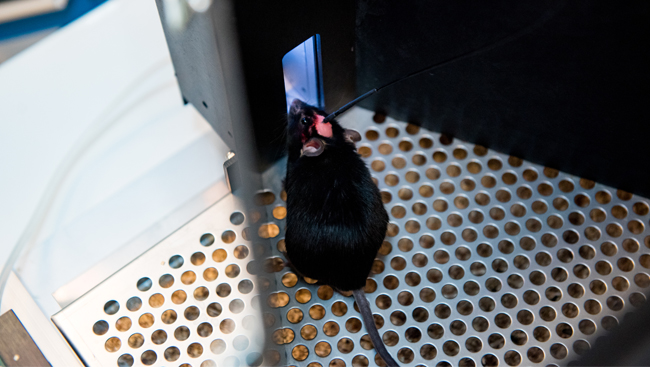 Training Series Poster TrainingLearn some of the common uses of optogenetics in an in vivo setting, as well as basic implementation strategies. After reviewing the materials in Module 4, you should be able to: - Describe several types of in vivo experiments in which optogenetics can be useful. - Describe basic experimental design used for in vivo optogenetic studies, including choice of optimal tools, stimulation parameters, and controls. - Identify some common potential confounds in optogenetic stimulation. - Describe key ways to validate optogenetic tools for in vivo experiments.Aug 1, 2018
 -
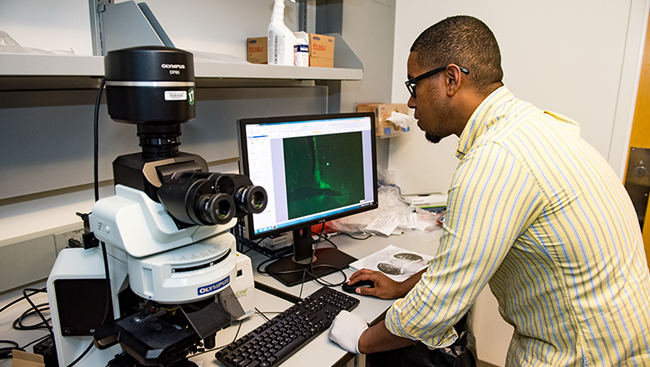 Poster Training Series TrainingLearn the key technical issues that arise in the design and interpretation of optogenetics experiments. After reviewing the materials in Module 7, you should be able to: - Discuss how to select optimal tools and stimulation parameters for an optogenetics experiment. - Identify potential confounds related to stimulus parameters. - Describe key methods to validate optogenetic tools.Aug 1, 2018
 -
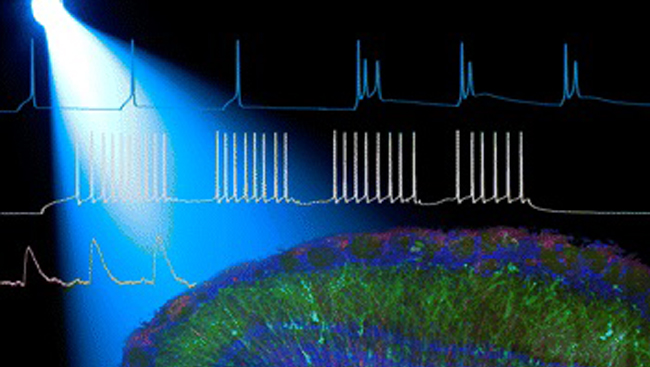 Poster Training Series TrainingLearn about some major confounds, caveats, and limitations of optogenetics approaches. After reviewing the materials in Module 8, you should be able to: - Understand and control for potential confounds of in vivo optogenetic manipulations, including off-target expression of opsins, toxicity, and unintended effects of light delivery. - Describe the surprising and unintended effects of photostimulation on opsin-expressing neurons and downstream neural circuits, and how to use these effects to your advantage. - Understand and minimize potential confounds of synaptic plasticity and complex neurochemistry in the interpretation of in vivo optogenetic studies.Aug 1, 2018




