



Filter
-
(133)
-
(733)
-
(4)
-
(1)
-
(47833)
-
(91)
-
(25)
-
(14)
-
(433)
-
(7)
-
(182)
-
(8)
-
(33)
-
(17)
-
(7)
-
(9)
-
(9)
-
(5)
-
(21)
-
(8)
-
(12)
-
(9)
-
(3)
-
(10)
-
(10)
-
(56)
-
(45)
-
(12)
-
(3)
-
(7)
-
(6)
-
(5)
-
(8)
-
(7)
-
(11)
-
(58)
-
(13)
-
(30)
-
(8)
-
(5)
-
(10)
-
(5)
-
(15)
-
(4)
991 - 1000
of 52756 results
-
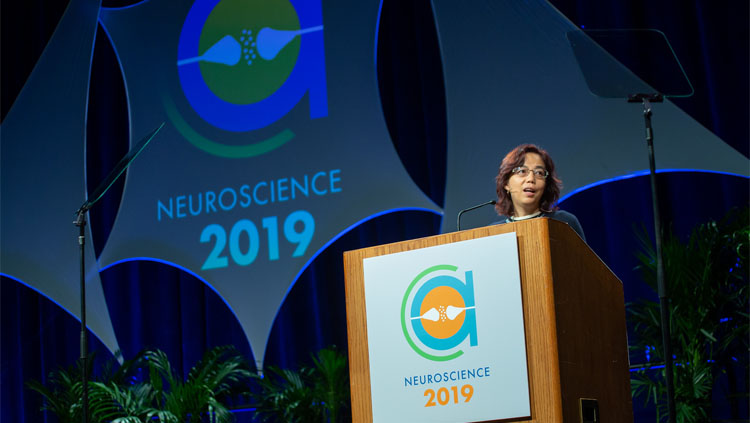 Video Annual Meeting Scientific ResearchFei-Fei Li, codirector of the Stanford Institute for Human-Centered Artificial Intelligence, is both a scientist and an ethical leader advocating for artificial intelligence that makes improving human lives its goal. In this 2019 Dialogues Between Neuroscience and Society lecture, Li discusses the transformative potential of AI for society in relation to the three parts of “human-centered AI”: that its development must be guided by concern for human impact, that it should augment, not replace, humans, and that it should be inspired by human intelligence. She also describes her research and collaborations in the field of computer vision.Dec 17, 2019
 -
 Article Professional DevelopmentAs 2019 comes to a close, taking time to reflect on how you’ve grown professionally can help you set intentions and go farther in your career. What follows is some of Neuronline’s most popular content from the year. Use these resources to help you accomplish your goals in the year ahead.Dec 11, 2019
 -
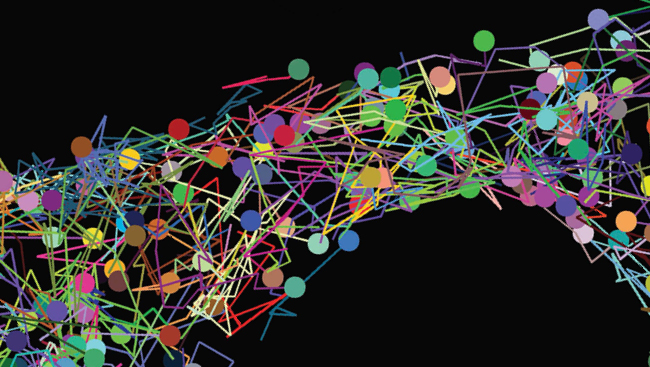 Article Scientific ResearchMaterial below is adapted from the SfN Short Course session Neuroinflammation and Neurosteroidogenesis: Reciprocal Modulation During Injury to the Adult Zebra Finch Brain, by Alyssa L. Pedersen, Jenna L. Brownrout, and Colin J. Saldanha. Short Courses are daylong scientific trainings on emerging neuroscience topics and research techniques held the day before the start of SfN’s annual meeting. Steroid hormones have a wide-ranging influence on brain development and behavior. One hormone in particular — 17β-estradiol, also known as E2, which is made in the brain, ovaries, placenta, and fat tissue — can influence male and female sexual behaviors in adult and juvenile mammals. Studies have also shown recently that E2 can protect neurons and neural circuits, as well as influence neuroplasticity, in healthy and injured brains.Dec 10, 2019
 -
 Virtual Conference Professional DevelopmentThis event took place on January 22, 2020 and is no longer available on-demand.Dec 4, 2019
 -
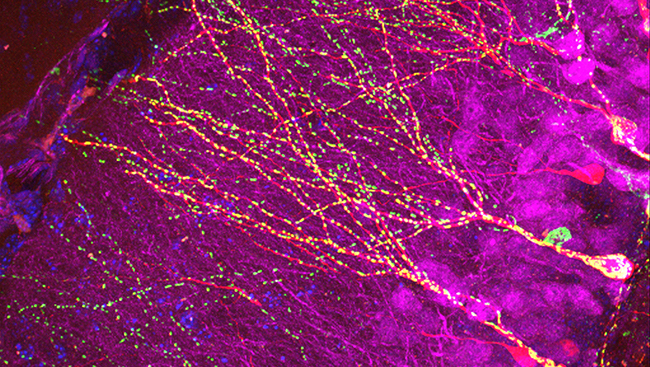 Article Professional DevelopmentA 62-year-old woman named Mary was found to have poisoned her husband who was terminally ill with cancer. The defendant displays a PET scan of her brain showing hyper-metabolic lesions in the temporal and frontal lobes of the brain. This could mean she suffers from frontotemporal dementia (FTD), a disorder that includes the following symptoms: socially inappropriate behavior, lack of sympathy/empathy, apathy, stereotypical/repetitive movement, and executive dysfunction. Imagine you are on a jury for Mary’s trial. Are the neuroimages enough evidence to show that Mary should be less responsible for her crime?Dec 3, 2019
 -
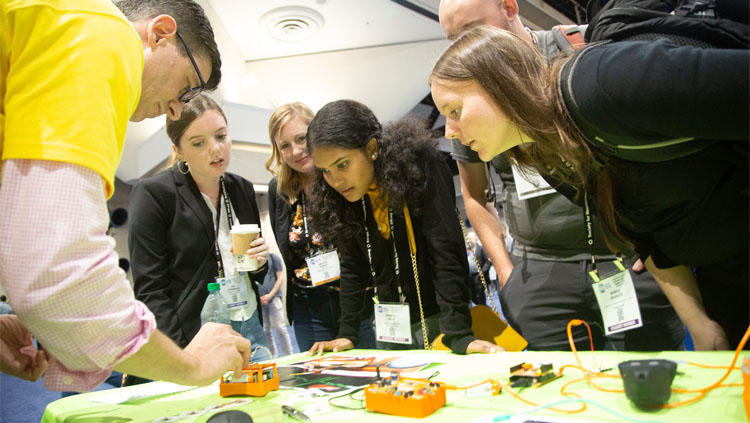 Article OutreachHosting a booth at a conference or other event can be a great way to raise brain awareness, connect with people with interests similar to yours, and encourage others to get involved in their community. When preparing to exhibit at a public event, it’s important to start planning early. With careful preparation and organization, you can ensure your outreach is a success. Follow the steps below to help you plan for and run a booth that gets people talking about the brain.Nov 26, 2019
 -
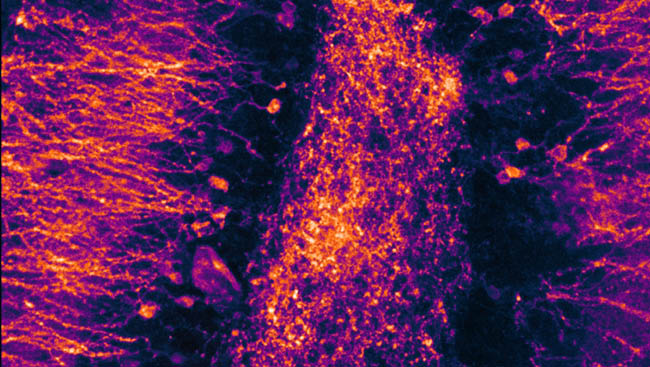 Video Annual Meeting Scientific ResearchData science is fast-growing across the neuroscience field. In this Short Course, leading experts teach basic data skills that all neuroscientists should know and detail advanced data science methods that can be used in different circumstances.Nov 25, 2019
 -
 Journal ArticleAnimal studies and human tissue experiments have demonstrated that traumatic brain injury (TBI) causes damage in the extracellular matrix (ECM). To test the hypothesis that TBI causes disruption of sulfated glycosaminoglycan (sGAG) in the ECM, we measured levels of sGAG in the cerebrospinal fluid (CSF), blood, and urine, in patients with severe TBI in the acute post-injury period. Samples of CSF, blood, and urine were obtained within 72 hours of injury in patients who received external ventricular drains as part of their treatment of severe TBI. Levels of chondroitin and heparan sGAGs were measured, along with their disaccharide constituents. Demographic information, presence of polytrauma, brain injury load, and distance of radiologically visible parenchymal injury from the ventricle were analyzed for correlation with total subtype sGAG levels. Levels were measured in 14 patients ranging in age from 17-90 years. CSF sGAG levels were variable among patients, with higher sGAG levels in plasma compared to CS...Jun 10, 2025
 -
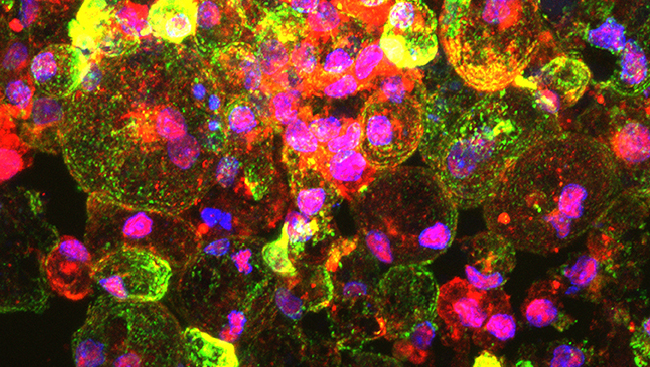 Article Scientific ResearchReward-related stimuli can potently influence behavior. For example, exposure to drug-paired cues can trigger drug seeking, use, and relapse in people suffering from addiction. What are the mechanisms whereby cue exposure might translate into harmful addictive behavior? One candidate mechanism we studied is an influence on cost-benefit decision making: Cue exposure might bias cost-benefit analysis such that drug use might seem like a good idea in the moment, with the benefits judged to outweigh the costs. Earlier findings indeed suggested that reward-paired cues promoted riskier choice in rats. We examined whether reward-paired sensory cues altered choice under uncertainty and risk in two laboratory gambling tasks. One was the Iowa Gambling Task, in which participants gambled based on what they learned about gambles from the outcomes (wins or losses) of their earlier choices. The second was a “two-choice lottery” task in which participants chose between a gamble that gave them a better chance of winning a smaller amount versus a gamble that gave them less of a chance of winning a larger amount. We had 131 volunteers perform these decision-making tasks with and without the cues accompanying win feedback. While participants performed these tasks, we used eye tracking to examine eye fixations during decision-making and pupil dilation as an index of arousal.Nov 21, 2019
 -
 Article Professional DevelopmentGiovanne Baroni Diniz, a PhD candidate at the University of São Paulo, has proactively sought opportunities to conduct science abroad. He’s visited labs and attended conferences in the United States and Canada, completed a fellowship with SfN’s Latin American Training Program (LATP), spent three months researching in France, and visited other countries for professional growth. Here, he reflects on how those experiences have impacted his outlook on the field and inspired him to contribute to an inclusive culture. Why did you want to gain experience abroad? We get so used to how science is done in our home countries. When you go abroad, you realize some of what you assumed was standard was actually just part of the local scientific culture and not happening everywhere. It can be challenging to adapt to a new culture, but eventually you learn from the differences and gain a new perspective. Diversity is really important in the workplace. Especially because we are trying to solve problems, getting fresh perspectives and looking at questions from different angles is so important for science.Nov 20, 2019




