



Filter
-
(133)
-
(734)
-
(4)
-
(1)
-
(47857)
-
(92)
-
(25)
-
(14)
-
(434)
-
(7)
-
(185)
-
(8)
-
(33)
-
(17)
-
(7)
-
(10)
-
(9)
-
(5)
-
(21)
-
(8)
-
(12)
-
(9)
-
(3)
-
(10)
-
(10)
-
(56)
-
(45)
-
(12)
-
(3)
-
(7)
-
(6)
-
(5)
-
(8)
-
(7)
-
(11)
-
(58)
-
(13)
-
(31)
-
(8)
-
(5)
-
(10)
-
(5)
-
(16)
-
(4)
6891 - 6900
of 52793 results
-
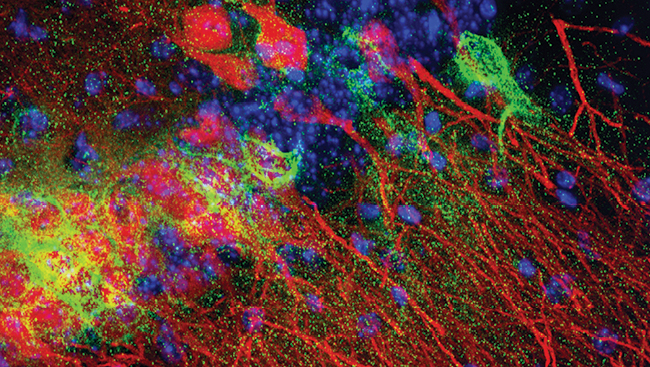 Video TrainingIn this video, Faranak Fattahi discusses her lab’s use of human pluripotent stem cells to study the cell types and diseases of the enteric nervous system.
 -
 Kristie Garza is a PhD candidate in the Neuroscience Graduate Program at Emory University. Garza’s research focuses on the role of non-neuronal cells in learning and memory processes related to PTSD. She received her BS in psychology from the University of Texas at Austin.
 -
 TrainingIn this presentation, Mathew Blurton-Jones will: - Introduce methods to differentiate pluripotent stem cells into microglia. - Describe approaches that can be used to validate the resulting cells. - Describe in vitro assays that can be used to examine microglial function. - Identify potential caveats with in vitro microglial culture. - Explain development and use of new chimeric mouse models to study human microglial function in vivo.
 -
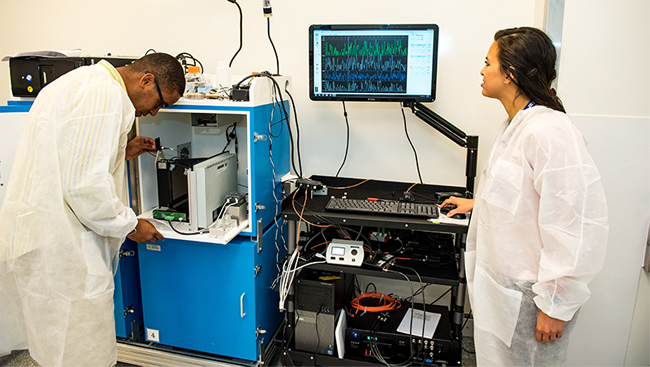 Article TrainingOptogenetics is an incredibly powerful technique for investigating neural circuits and brain function. However, there are numerous caveats to consider when designing, conducting, and interpreting results from optogenetic experiments. SfN members have the opportunity to submit questions about these caveats from August 1 – August 30 to Stephan Lammel, Karel Svoboda, and David Kupferschmidt in a Neuronline Community discussion thread. They will answer your questions in a video panel discussion that will be posted in this module in early September.




