



Filter
-
(133)
-
(734)
-
(4)
-
(1)
-
(47853)
-
(92)
-
(25)
-
(14)
-
(435)
-
(7)
-
(185)
-
(8)
-
(33)
-
(17)
-
(7)
-
(10)
-
(9)
-
(5)
-
(21)
-
(8)
-
(12)
-
(9)
-
(3)
-
(10)
-
(10)
-
(56)
-
(45)
-
(12)
-
(3)
-
(7)
-
(6)
-
(5)
-
(8)
-
(7)
-
(11)
-
(58)
-
(13)
-
(31)
-
(8)
-
(5)
-
(10)
-
(5)
-
(16)
-
(4)
5881 - 5890
of 52788 results
-
 Dr. Spires-Jones is a Professor of Neurodegeneration, UK Dementia Research Institute Group Leader, and Director of the Centre for Discovery Brain Sciences at The University of Edinburgh. Her research focuses on Alzheimer’s disease pathology, synaptic degeneration, and alterations in brain function associated with ageing and other neurodegenerative diseases. She received her doctorate in Neuroscience from The University of Oxford under the guidance of Professor Sir Colin Blakemore and Professor Anthony J Hannan. Dr. Spires-Jones was recently awarded the Prize for Ageing and Neuropathology Leading Researcher of the Year from Women in Neuroscience UK, recognized as the author of the most influential paper in the Alzheimer’s field for the previous 2 years through the Inge Grundke-Iqbal Award for Alzheimer’s Research, and was elected a Fellow of the UK National Academy of Medical Sciences.
 -
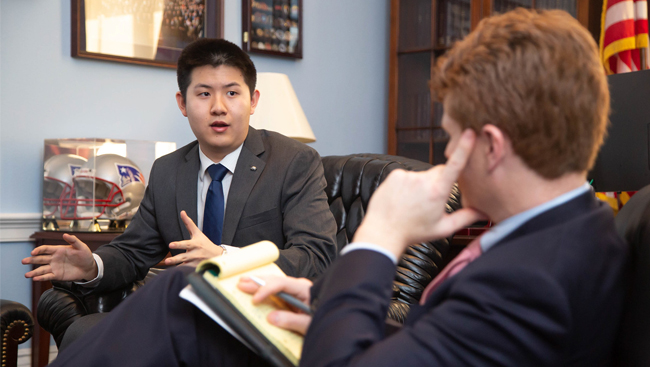 Video AdvocacyFace-to-face meetings with members of Congress or their staff are the most effective way to convey the importance of biomedical research funding. Learning the specifics of what to do before, during, and after a meeting will help you see how to make a lasting impression and foster a relationship with your representatives. This video will cover: • How to prepare for a meeting, effectively execute, and then follow up. • Ways to structure the conversation around what Congressional offices find valuable. • The importance of developing relationships with your member of Congress.
 -
 This interview series highlights the career paths and scientific accomplishments of women at the forefront of historically male-dominated fields including neuroscience, engineering, and technology. Many of these fields are increasingly intertwining and becoming relevant to the advancement of our collective scientific knowledge. The articles in this series provide role models for women considering careers in these areas of research.
 -
In this first half of a two-part conversation, Karina Alviña, Cori Fain, and Eduardo Rosa‑Molinar reflect on mentoring as an evolving, deeply human relationship shaped by curiosity, generosity, and time.
-
Enhance your research techniques through virtual conferences and training series on emerging trends and technologies, and develop your own training program through curriculum and hiring best practices.
-
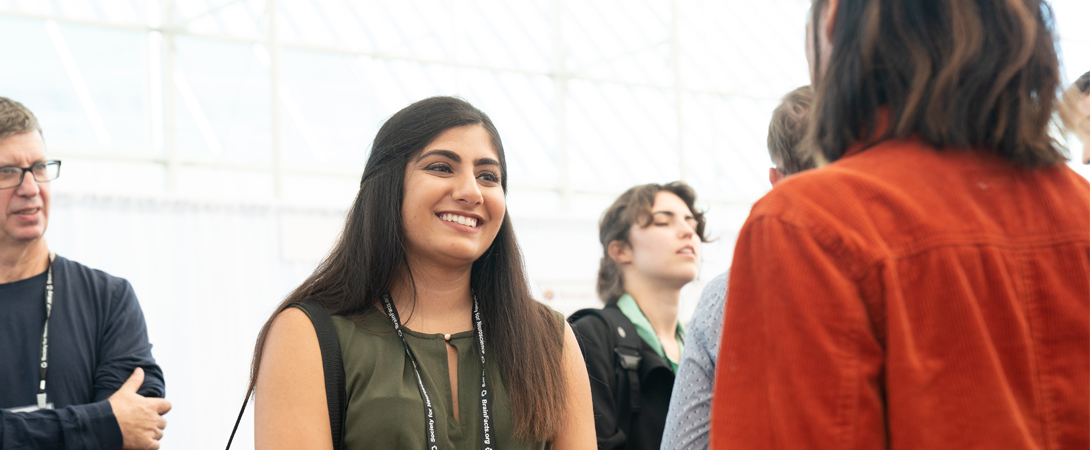 Learn how to effectively mentor diverse students, find new mentors, navigate difficult conversations, and more.




