



Filter
-
(133)
-
(733)
-
(4)
-
(1)
-
(47833)
-
(91)
-
(25)
-
(14)
-
(433)
-
(7)
-
(182)
-
(8)
-
(33)
-
(17)
-
(7)
-
(9)
-
(9)
-
(5)
-
(21)
-
(8)
-
(12)
-
(9)
-
(3)
-
(10)
-
(10)
-
(56)
-
(45)
-
(12)
-
(3)
-
(7)
-
(6)
-
(5)
-
(8)
-
(7)
-
(11)
-
(58)
-
(13)
-
(30)
-
(8)
-
(5)
-
(10)
-
(5)
-
(15)
-
(4)
1411 - 1420
of 52756 results
-
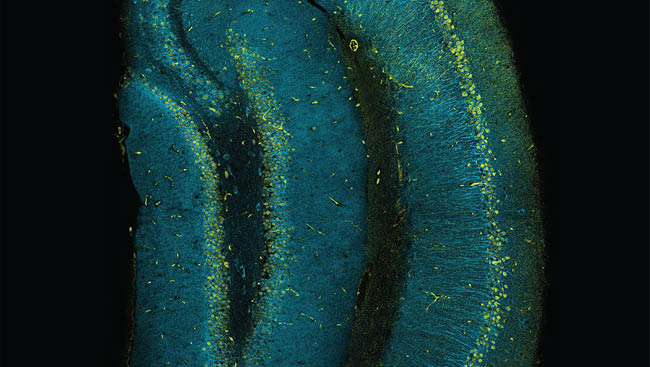 Article Career PathsXinnan Wang is an assistant professor of neurosurgery at the Stanford University School of Medicine. She led a breakout group at the 2016 Neurobiology of Disease Workshop, From Pediatric Encephalopathy to Alzheimer's: Linking Mitochondria to Neurological Diseases, and presented in the 2017 follow-up webinar, Linking Mitochondria to Neurological Disease. Here, she shares what inspired her to work in the mitochondrial research field, what questions she is trying to answer through her current research, and how she thinks the field can continue to make advances against certain diseases. As told to, and edited by, SfN staff.Jan 9, 2018
 -
 Journal ArticleSingular strategies for promoting axon regeneration and motor recovery after spinal cord injury (SCI) have been attempted with limited success. For instance, the deletion of RhoA and Pten (an extrinsic and intrinsic modulating factor, respectively) in corticospinal neurons promotes axon sprouting after thoracic SCI, however it is unable to restore motor function. Here, we examine the effects of combining RhoA/Pten deletion in corticospinal neurons with chemogenetic neuronal stimulation on axonal growth and motor recovery after SCI in mice. We find that this combinatorial approach promotes greater axonal growth and synaptic bouton formation in corticospinal neurons within the spinal cord compared to RhoA ; Pten deletion alone. Furthermore, chemogenetic neuronal stimulation of RhoA ; Pten -deleted corticospinal neurons improved forelimb performance in behavioral tasks after SCI compared to RhoA ; Pten deletion alone. These results demonstrate that combination therapies pairing genetic modifications with neur...Feb 7, 2025
 -
Journal ArticleFunctional ultrasound (fUS) imaging is a well-established neuroimaging technology that offers high spatiotemporal resolution and a large field of view. Typical strategies for analysing fUS data comprise either region-based averaging, typically based on reference atlases, or correlation with experimental events. Nevertheless, these methodologies possess several inherent limitations, including a restricted utilisation of the spatial dimension and a pronounced bias influenced by preconceived notions about the recorded activity. In this study, we put forth single-voxel clustering as a third method to address these issues. A comparison was conducted between the three strategies on a typical dataset comprising visually evoked activity in the superior colliculus in awake mice. The application of single-voxel clustering yielded the generation of detailed activity maps, which revealed a consistent layout of activity and a clear separation between haemodynamic responses. This method is best considered as a complemen...Feb 7, 2025
-
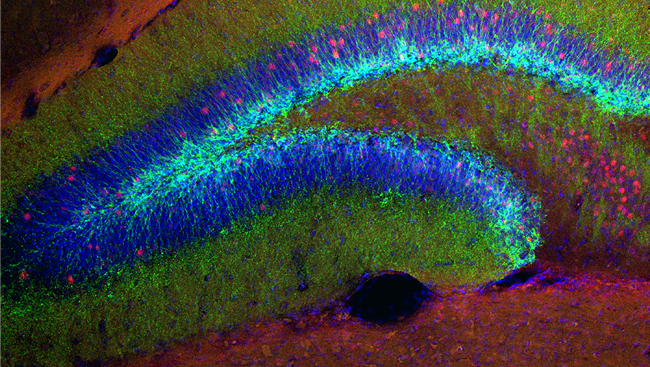 Article Scientific ResearchThe beginning of this century has seen some major advances in light microscopy, particularly related to neuroscience. These developments in microscopy, coupled with techniques that make tissues transparent, are enabling microscopes to visualize the cellular architecture of whole tissues in 3D with unprecedented detail.Dec 26, 2017
 -
 Article Career PathsSarah Caddick is a trained neuroscientist. After completing her postdoctoral fellowship, she decided not to continue her research and instead pursue a career in philanthropy. Now, Caddick serves as the neuroscience adviser to Lord Sainsbury of Turville and the Gatsby Charitable Foundation. Here she discusses what she learned in her transition to a career away from the bench and the ins and outs of what it’s like to work as a neuroscientist in philanthropy.Dec 20, 2017
 -
 Video DiversityThis is Lesson Four in the Implicit Bias Video Series from BruinX, the research and development unit within the University of California, Los Angeles's Office of Equity, Diversity and Inclusion. This video discusses the differences between explicit and implicit bias.Dec 19, 2017
 -
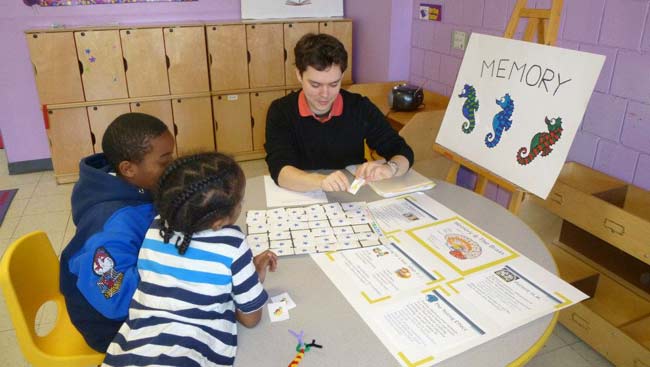 Article OutreachIn addition to sharing research with colleagues, it is important to mentor young scientists and explain the benefits of research with the public. To facilitate these activities, we at Boston College (BC) run the following programs:Dec 18, 2017
 -
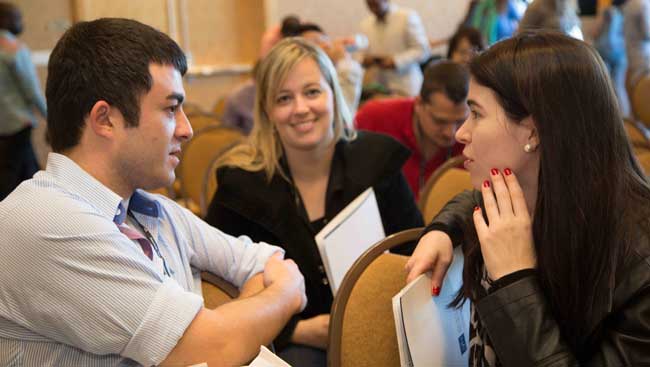 Article Career PathsMelissa Harrington is the interim associate vice president for research, director of the Delaware Center for Neuroscience Research, and professor of biology at Delaware State University (DSU). In My Advice for Finding Mentors, she shared what qualities to look for in potential mentors and how to begin and maintain mentoring relationships. Here, Harrington details her work environment and research approach at DSU, a Historically Black College and University (HBCU) with approximately 4,500 undergraduate and graduate students.Dec 13, 2017
 -
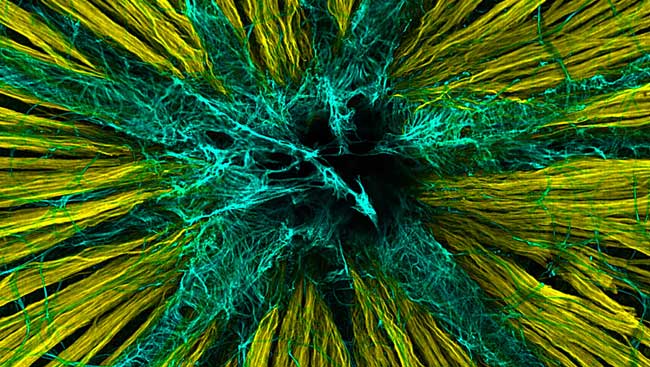 Article Professional Development“There are always new discoveries. It never ends,” says Angela Kim from Harvard Medical School on the most exciting aspect of studying neuroscience. As you prepare for another year of scientific discovery, professional development, and training, revisit Neuronline’s most popular resources from 2017. You’ll find fascinating scientific research, surprising facts about publishing a paper, a behind-the-scenes look at what goes into award-winning research, and more.Dec 12, 2017
 -
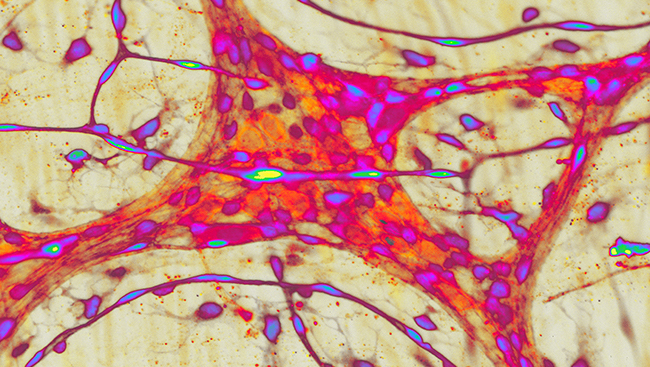 Article Annual Meeting Scientific ResearchMaterial below is adapted from the SfN Short Course, Adult Mouse Cortical Cell Taxonomy Revealed by Single-Cell Transcriptomics, by Bosiljka Tasic, PhD. Short Courses are day-long scientific trainings on emerging neuroscience topics and research techniques held just prior to SfN’s annual meeting. Single-cell RNA sequencing (RNA-seq) is a powerful tool that can help researchers look more deeply at individual cells, in order to better understand differences within tissues or groups of cells. One research team used RNA-seq to classify more than 1,600 cells from the cortex of adult male mice.Dec 12, 2017




