



Filter
-
(133)
-
(733)
-
(4)
-
(1)
-
(47830)
-
(91)
-
(25)
-
(14)
-
(433)
-
(7)
-
(181)
-
(8)
-
(33)
-
(17)
-
(7)
-
(9)
-
(9)
-
(5)
-
(21)
-
(8)
-
(12)
-
(9)
-
(3)
-
(10)
-
(10)
-
(56)
-
(45)
-
(12)
-
(3)
-
(7)
-
(6)
-
(5)
-
(8)
-
(7)
-
(11)
-
(58)
-
(13)
-
(30)
-
(8)
-
(5)
-
(10)
-
(5)
-
(14)
-
(4)
531 - 540
of 52751 results
-
 Journal ArticleThe growing therapeutic promise of repeated, low-dose ketamine treatment across various psychopathologies—including depression and drug addiction—warrants clarity on its potential addictive properties and their associated mechanisms in both sexes. Accordingly, the present work examined the effects of intermittent low-dose ketamine in male and female rats on behavioral sensitization to the locomotor activating effects of ketamine, as well as the associated molecular profiles in dopamine D1- and D2-receptor-expressing medium spiny neurons (D1- and D2-MSNs) of the nucleus accumbens (NAc). Following intra-NAc infusion of a Cre-inducible RiboTag virus, locomotor activity was measured in adult Drd1a-iCre and Drd2-iCre male and female rats in either diestrus or proestrus following repeated administration of ketamine (0, 10, or 20 mg/kg, i.p. ) to evaluate the development of locomotor sensitization. Female—but not male—rats developed sensitization to the locomotor-activating effects of ketamine, occurring more rap...Dec 17, 2025
 -
 Webinar Professional DevelopmentStatistical analyses can reveal important patterns in neuroscience data but can also lead us into error. This webinar will give practical advice on issues that often come up during statistical reviews of manuscripts—it will explain the most common pitfalls and how to avoid them. Topics will include covariate selection, sample-size planning, and p-value interpretation. The workshop will consist of short talks from experienced statistical reviewers and an interactive discussion.Jun 8, 2022
 -
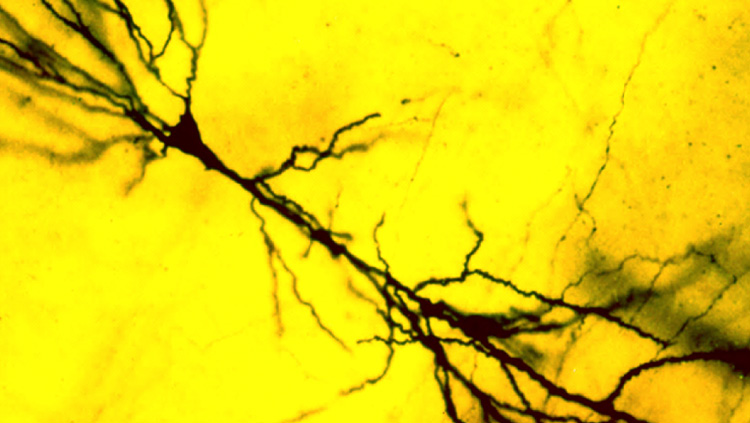 Webinar TrainingStudents often find neuroanatomy a daunting exercise of rote memorization in a dead language. This workshop is designed to enliven the teaching neuroanatomy. We recast the topic by extending it to the cellular and sub-cellular levels as well as animating it by learning to build a brain. We will rejuvenate pedagogical practices delivered both online and in person.Jun 7, 2022
 -
 Webinar Professional DevelopmentNeuronline is a benefit of SfN membership. Renew your membership now to make sure you don’t lose access.Jun 6, 2022
 -
.png) Podcast Scientific ResearchMatthew Colonnese discusses his paper, “Input-Independent Homeostasis of Developing Thalamocortical Activity,” published in Vol. 8, Issue 3 of eNeuro, with Editor-in-Chief Christophe Bernard. Hosted by: Christophe BernardMay 24, 2022
Podcast Scientific ResearchMatthew Colonnese discusses his paper, “Input-Independent Homeostasis of Developing Thalamocortical Activity,” published in Vol. 8, Issue 3 of eNeuro, with Editor-in-Chief Christophe Bernard. Hosted by: Christophe BernardMay 24, 2022 -
Journal ArticleAutism spectrum disorder, schizophrenia, and bipolar disorder are neuropsychiatric conditions that manifest early in life with a wide range of phenotypes, including repetitive behavior, agitation, and anxiety (American Psychological Association, 2013). While the etiology of these disorders is incompletely understood, recent data implicate a role for mitochondrial dysfunction (Norkett et al., 2017; Khaliulin et al., 2025). Mitochondria dynamically translocate to intracellular compartments to support energetics and free-radical buffering; failure to achieve this localization results in cellular dysfunction (Picard et al., 2016). Mitochondrial Rho-GTPase 1 ( Miro1 ) resides on the outer mitochondrial membrane and facilitates microtubule-mediated mitochondrial motility and homeostasis (Fransson et al., 2003). The loss of MIRO1 is reported to contribute to the onset/progression of neurodegenerative diseases, including amyotrophic lateral sclerosis, Alzheimer’s disease, and Parkinson’s disease (Kay et al., 2018)...Dec 12, 2025
-
Journal ArticleSulf1 is an extracellular sulfatase that regulates cell signaling by removing 6- O -sulfates from heparan sulfate. Although the roles of Sulf1 in neural development have been studied extensively, its functions in the adult brain remain largely unknown. Here, we report the effects of Sulf1 disruption on the neuronal properties of the medium spiny neurons (MSNs) in the nucleus accumbens (NAc) shell, one of the regions highly expressing Sulf1 . We separately labeled MSNs expressing dopamine D1 receptors (D1-MSNs) or D2 receptors (D2-MSNs) by injecting adult male Drd1-Cre and Drd2-Cre mice with a Cre-dependent AAV vector expressing a red fluorescent protein, mCherry, and examined their electrophysiological properties by means of whole-cell patch-clamp recording. In the D2-MSNs, Sulf1 disruption led to drastic changes in neural firing responses to depolarizing current injections: in the Sulf1 knockout mice, the rheobase was smaller than in the wild-type mice, but the number of action potentials elicited by depo...Dec 11, 2025
-
Journal ArticleBimanual coordination, fundamental to human motor control, typically involves the execution of different functions by the two limbs (e.g., opening a jar). Previous research has largely investigated bimanual control through simple coordination tasks in which the limbs perform similar movements (e.g., finger tapping); however, few studies have specifically examined coordination when the two limbs perform different yet complementary functions. In the current study, participants performed point-to-point movements of a rectangular cursor, where one limb controlled cursor trajectory and the other rotated a knob to match a target orientation. Participants (N=116, 76 female, 1 non-binary; 92% right-handed) were divided into four groups and completed the task with a visual feedback gain perturbation (an increase or decrease) applied either to the cursor trajectory or orientation. Our results showed rapid adaptation to perturbations of visual feedback of the movement trajectory, affecting both the perturbed limb con...Dec 11, 2025
-
Journal ArticleWe studied the role of movement and outcome information in forming metacognitive representations of agency. Human participants (N = 40; 25 female, 15 male, 0 diverse) completed a goal-oriented task: a semi-virtual version of a ball-throwing game. In two conditions, we manipulated either the visual representation of the throwing movement or its proximal outcome (the resulting ball trajectory). We measured participants' accuracy in a discrimination agency task, as well as confidence in their responses and tested for differences in the electrophysiological (EEG) signal using mass linear mixed effect modeling. We found no mean differences between participants' metacognitive efficiency between conditions. However, through exploratory analyses, we found that metacognitive sensitivity did not correlate between the two conditions, and that the EEG signal differed between the two conditions during the agency discrimination task. We cautiously interpret these results as suggesting that although both movement and out...Dec 9, 2025
-
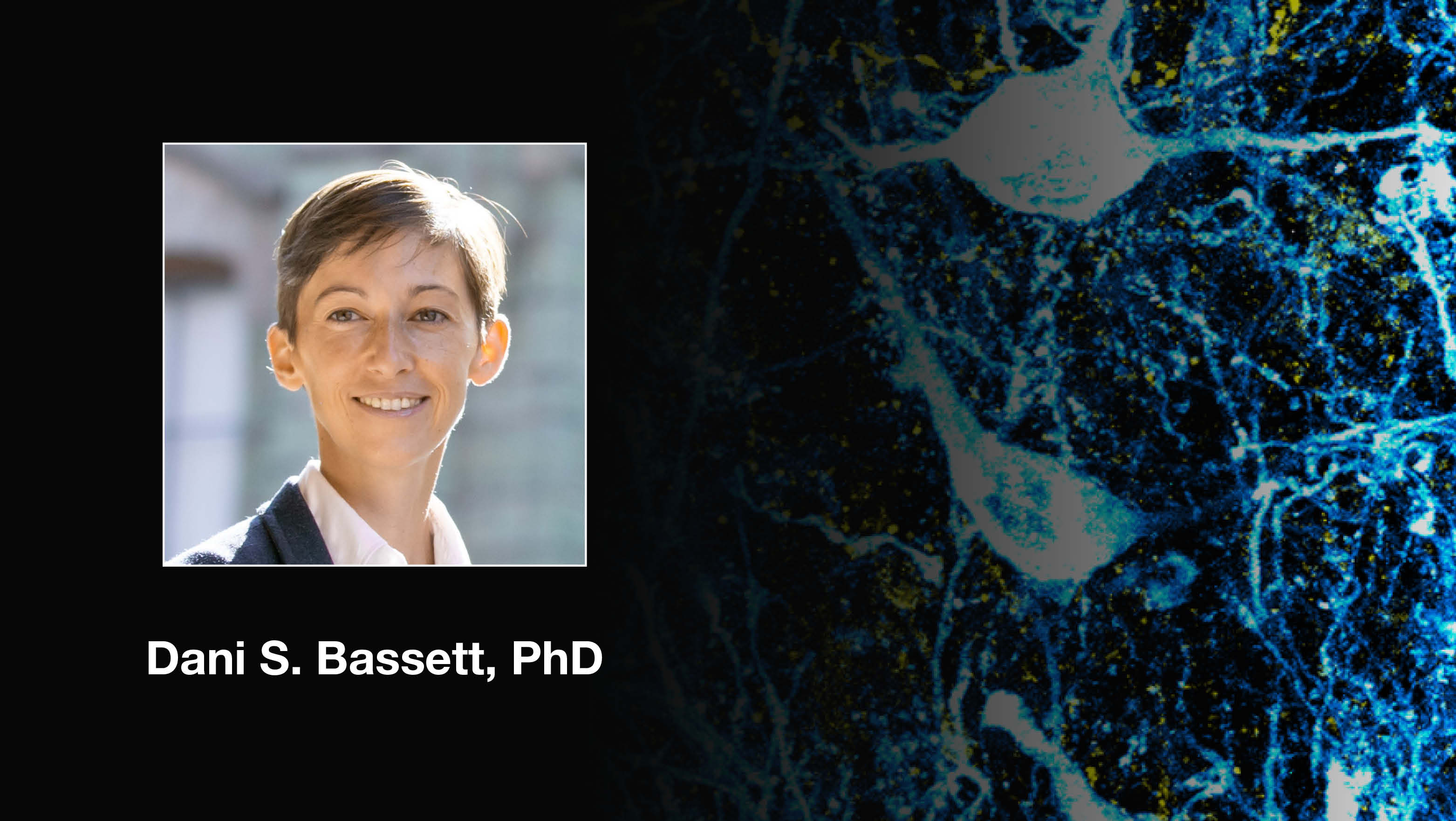 Webinar Scientific ResearchBiological systems in general – and nervous systems in particular – are strikingly complex. For centuries, scientists have made progress by isolating and characterizing individual units of these systems. However, the units are not enough to explain the system; we need a language in which to encode the intricate patterns of unit-to-unit interactions. Dani Bassett will discuss how network science provides this type of language, embracing greater complexity while distilling the simple rules of biological architecture and function.May 4, 2022




