



Filter
-
(133)
-
(733)
-
(4)
-
(1)
-
(47833)
-
(91)
-
(25)
-
(14)
-
(433)
-
(7)
-
(182)
-
(8)
-
(33)
-
(17)
-
(7)
-
(9)
-
(9)
-
(5)
-
(21)
-
(8)
-
(12)
-
(9)
-
(3)
-
(10)
-
(10)
-
(56)
-
(45)
-
(12)
-
(3)
-
(7)
-
(6)
-
(5)
-
(8)
-
(7)
-
(11)
-
(58)
-
(13)
-
(30)
-
(8)
-
(5)
-
(10)
-
(5)
-
(15)
-
(4)
1761 - 1770
of 52756 results
-
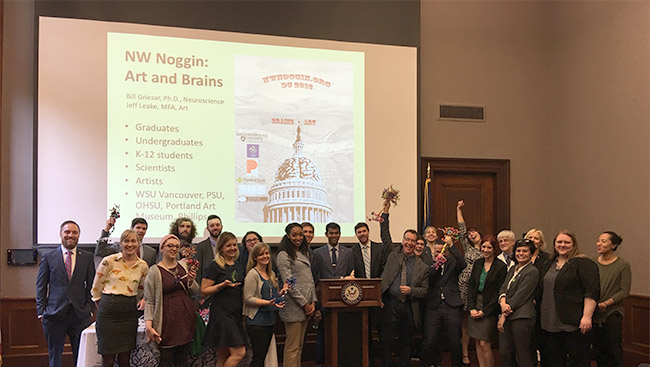 Article AdvocacyNW Noggin is an arts-and-science integrated outreach program that targets underserved communities in the Portland metropolitan area.Jul 19, 2016
 -
 Journal ArticleTranscranial magnetic stimulation (TMS) is a non-invasive brain stimulation method that modulates brain activity by inducing electric fields in the brain. Real-time, state-dependent stimulation with TMS has shown that neural oscillation phase modulates corticospinal excitability. However, such motor-evoked potentials (MEPs) only indirectly reflect motor cortex activation and are unavailable at other brain regions of interest. The direct and secondary cortical effects of phase-dependent brain stimulation remain an open question. In this study, we recorded the cortical responses during single-pulse TMS using electroencephalography (EEG) concurrently with the MEP measurements in 20 healthy human volunteers (11 female). TMS was delivered at peak, rising, trough, and falling phases of mu (8-13 Hz) and beta (14-30 Hz) oscillations in the motor cortex. The cortical responses were quantified through TMS-evoked potential components N15, P50, and N100 as peak-to-peak amplitudes (P50-N15 and P50-N100). We further ana...Nov 14, 2024
 -
Journal ArticleNormal pressure hydrocephalus (NPH) is marked by enlarged cerebral ventricles with normal intracranial pressure, plus three stereotypical symptoms: gait impairment, cognitive dysfunction, and urinary frequency with urge-incontinence. The neural circuit dysfunction responsible for each of these symptoms remains unknown, and an adult mouse model would expand opportunities to explore these mechanisms in preclinical experiments. Here, we describe the first mouse model of chronic, communicating hydrocephalus with normal intracranial pressure. Hydrocephalic male and female mice had unsteady gait and reduced maximum velocity. Despite performing well on a variety of behavioral tests, they exhibited subtle learning impairments. Hydrocephalic mice also developed urinary frequency, and many became incontinent. This mouse model, with symptoms resembling human NPH, can be combined with molecular-genetic tools in any mouse strain to explore the neural circuit mechanisms of these symptoms. Preclinical work using this hyd...Nov 14, 2024
-
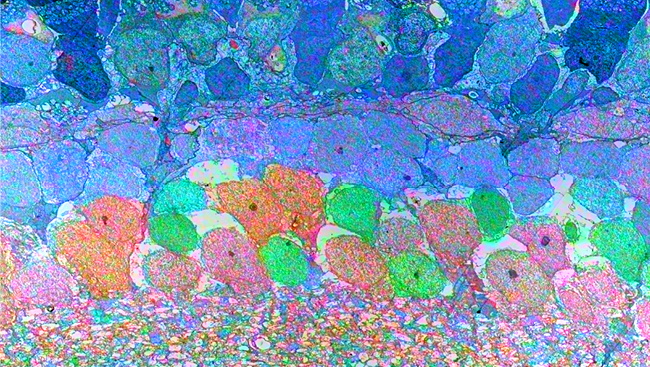 Article Scientific ResearchSpinocerebellar ataxia type 6 (SCA6) is a rare neurological disorder that typically manifests at mid-life and leads to progressive gait abnormalities.Jul 14, 2016
 -
 Article Professional DevelopmentWhat is the benefit of doing a postdoc in another country? Why not just stay where you are?Jul 14, 2016
 -
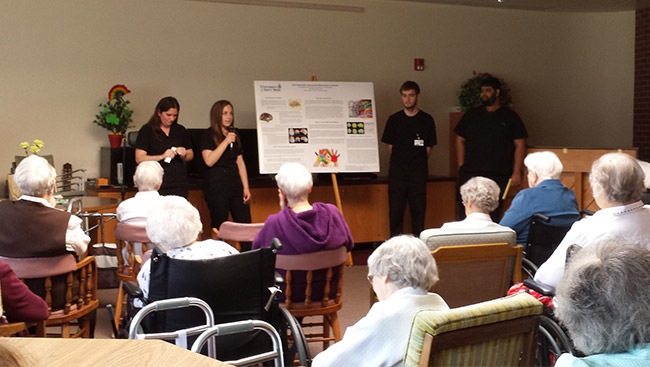 Article OutreachDoctorate of physical therapy (DPT) students at the University of Saint Mary in Leavenworth, Kansas, demonstrated their compassion and willingness to serve by bringing neuroscience into the community, which has developed a new appreciation for local engagement.Jul 12, 2016
 -
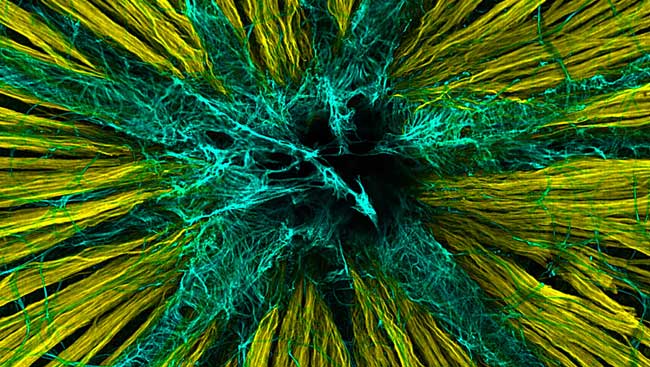 Annual Meeting Video Scientific ResearchBrain malformations, especially those affecting the cerebral cortex, are common causes of intellectual disability and epilepsy. Recent advances in genetics, imaging, and cell biology have substantially increased our knowledge of the mechanisms underlying cortical development and how it can go awry.Jul 8, 2016
 -
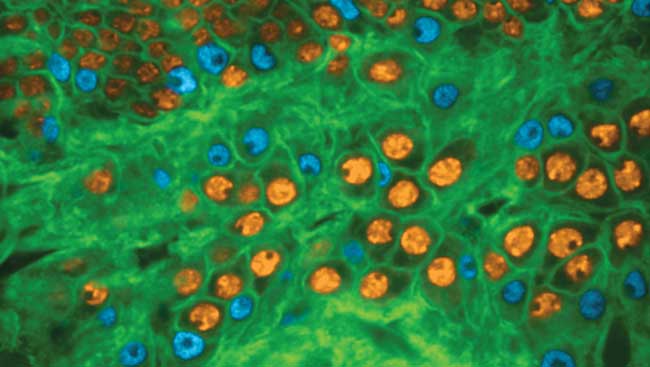 Article Scientific ResearchPerception of sensory stimuli, like sounds waves, is typically thought of as a unidirectional process: Sound waves hits the eardrum, and are then sensed by the inner ear, which conveys those auditory signals to the brain.Jul 7, 2016
 -
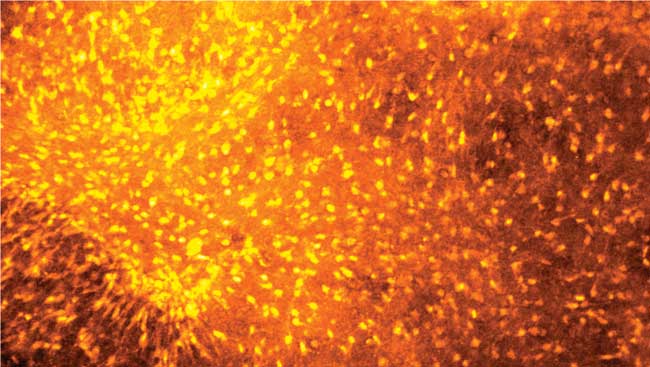 Article Scientific ResearchThe human brain is a complex organ, and the most sophisticated part of it may be the cerebral cortex.Jul 5, 2016
 -
Article Scientific ResearchAnimals are sensitive to the range and intensity of chemical cues that determine their social behavior and survival in the wild.Jun 30, 2016




