



Filter
-
(133)
-
(733)
-
(4)
-
(1)
-
(47833)
-
(91)
-
(25)
-
(14)
-
(433)
-
(7)
-
(182)
-
(8)
-
(33)
-
(17)
-
(7)
-
(9)
-
(9)
-
(5)
-
(21)
-
(8)
-
(12)
-
(9)
-
(3)
-
(10)
-
(10)
-
(56)
-
(45)
-
(12)
-
(3)
-
(7)
-
(6)
-
(5)
-
(8)
-
(7)
-
(11)
-
(58)
-
(13)
-
(30)
-
(8)
-
(5)
-
(10)
-
(5)
-
(15)
-
(4)
1661 - 1670
of 52756 results
-
 Video Annual Meeting Scientific ResearchAround the world, mental health is slowly but steadily being discussed more publicly. The field is benefiting from advances in neuroscience, but not adequately — the potential is much greater. This lecture presents a background of the current state of mental health in the world and explains how a closer collaboration between mental health and neuroscience could enhance knowledge and improve health. Examples from the areas of autism, substance dependence, psychoses, and dementia help illustrate this potential.Dec 14, 2016
 -
 Article Scientific ResearchAnimals, in their natural environment, sample their surroundings in search for chemical cues that are crucial for their surviving.Dec 14, 2016
 -
 Video Annual Meeting OutreachChapters can play a prime role in connecting people who are interested with the field. Hear SfN chapter leaders from Texas, Michigan, and Maine discuss their experiences developing local and international connections.Dec 14, 2016
 -
 Article Scientific ResearchWhile animal models provide important insights into neurological disease, they rarely offer a complete picture.Dec 13, 2016
 -
 Article Professional DevelopmentSetbacks are inevitable. While they may feel catastrophic in the moment, with the right outlook, challenges can be the key to learning, improving, and moving forward.Dec 13, 2016
 -
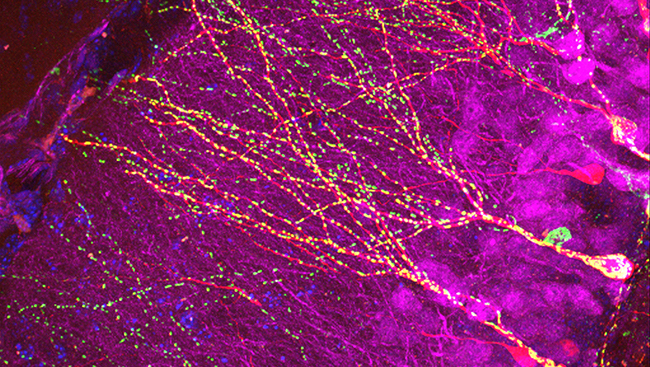 Article Scientific ResearchA key feature of neural circuits is their ability to internally generate spontaneous bursts of network activity that can propagate as a wave over long distances.Dec 7, 2016
 -
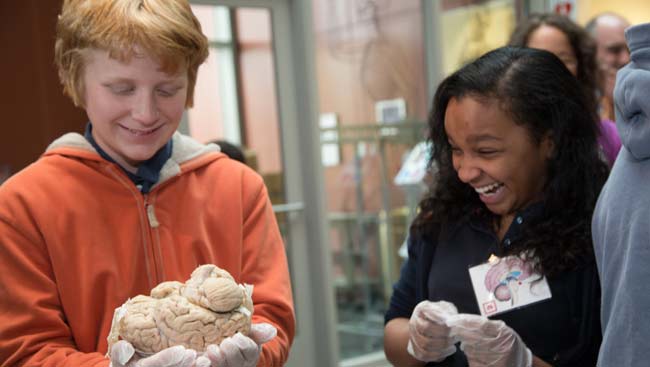 Article OutreachAs our society focuses more on STEM education and research, it is important that scientists are willing and prepared to share our stories to further understanding and connection.Dec 7, 2016
 -
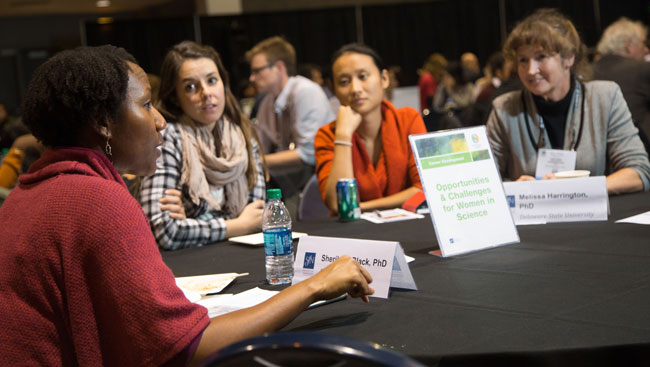 Article OutreachThe following case study is adapted from a Theme J abstract (formerly Theme H) presented at Neuroscience 2015. Theme J abstracts cover topics related to history, teaching, public awareness, and societal impacts in neuroscience, allowing departments and organizations to showcase the work they have done in these areas. Regardless of their backgrounds, students entering neuroscience PhD programs must learn about established and cutting-edge techniques as well as develop critical reading and oral presentation skills they’ll use for the rest of their careers. With this in mind, students in our UCLA neuroscience interdepartmental PhD program, with guidance from faculty sponsor Anne Andrews, created a student-led seminar course to expose first-year students to a wide range of scientific and communication techniques. It has now been held four times.Dec 6, 2016
 -
 Article TrainingPaul McGonigle shares how faculty can prepare students interested in working in different fields, such as health care, education, or public policy.Dec 6, 2016
 -
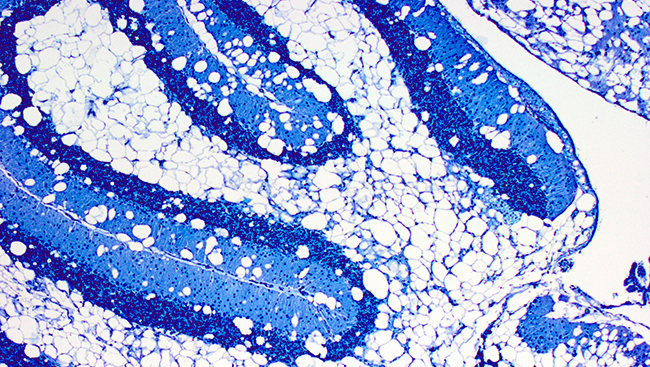 Article Scientific ResearchThe way we perceive the world around us depends on the proper balance and integration of excitatory and inhibitory inputs in neuronal networks that process specific sensory stimuli.Nov 30, 2016




