



Filter
-
(133)
-
(735)
-
(4)
-
(1)
-
(47861)
-
(93)
-
(25)
-
(14)
-
(434)
-
(7)
-
(186)
-
(8)
-
(33)
-
(17)
-
(7)
-
(10)
-
(9)
-
(5)
-
(21)
-
(8)
-
(12)
-
(9)
-
(3)
-
(10)
-
(10)
-
(56)
-
(46)
-
(12)
-
(3)
-
(7)
-
(6)
-
(5)
-
(8)
-
(7)
-
(11)
-
(58)
-
(13)
-
(31)
-
(8)
-
(5)
-
(10)
-
(5)
-
(16)
-
(4)
8131 - 8140
of 52802 results
-
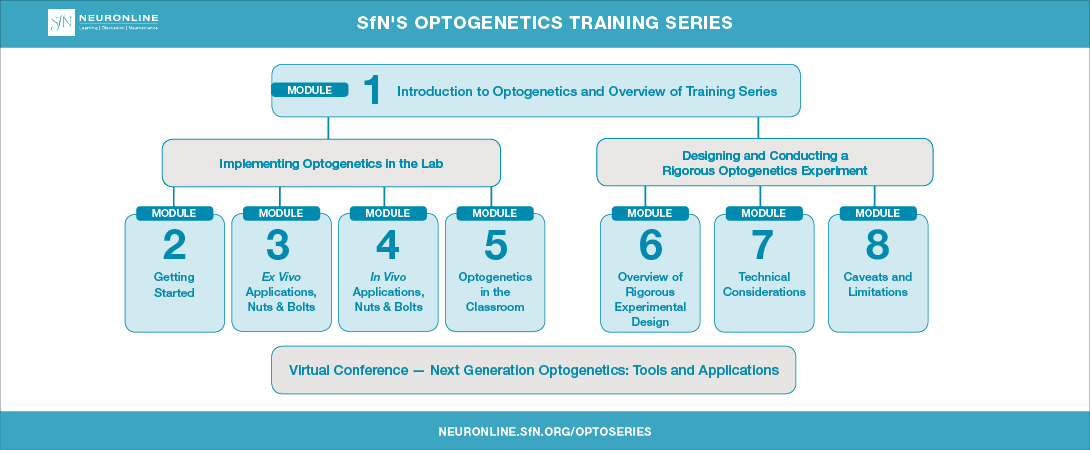 Welcome to SfN’s Optogenetics Training Series, where you can advance your understanding of how to optimize optogenetics techniques in your research. We invite neuroscientists at any training and career stage, institution, and geography, with all levels of familiarity and proficiency with optogenetics, to engage with the series’ resources created for you by more than 20 global neuroscience leaders. SfN’s inaugural training series is organized in partnership with neuroscientists Kamran Khodakhah (Albert Einstein College of Medicine), Veronica Alvarez (NIH Intramural Research Program/NIAAA), and Alexandra Nelson (University of California, San Francisco).
 -
Stay informed on conversations about publishing, tools and technologies, and the most relevant issues in the evolving neuroscience field with the scientists and innovators leading scientific discovery.
-
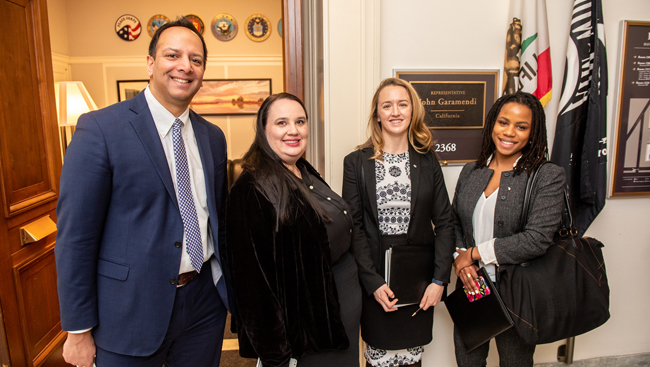 Video AdvocacyThere are many opportunities to partner with SfN and other like-minded advocates, whether you’re just beginning or have years of experience. We have many materials that you can use to help you get started, continue, or bolster your advocacy activities. This video will cover: • Resources available to support your growth as an advocate. • Why it’s encouraged to tell SfN about your advocacy activities and how to get in touch. • Simple ways to get started.
 -
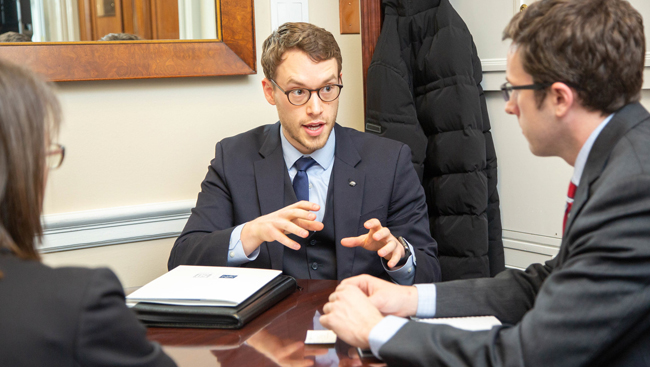 Video AdvocacyYour personal story is the foundation of your advocacy and outreach efforts, regardless of your scientific background. Learn how to cater your story to this audience — elected officials — and how it differs from speaking with colleagues or the public. This video includes an example of a direct comparison between a collegial introduction to other scientists and an elevator pitch that’s used on Capitol Hill. This video will cover: • Key elements to an effective research story. • How to be memorable among many other advocates and priorities by putting a face to research funding. • Ways to update your scientific elevator pitch for a conversation with a Congressional office.
 -
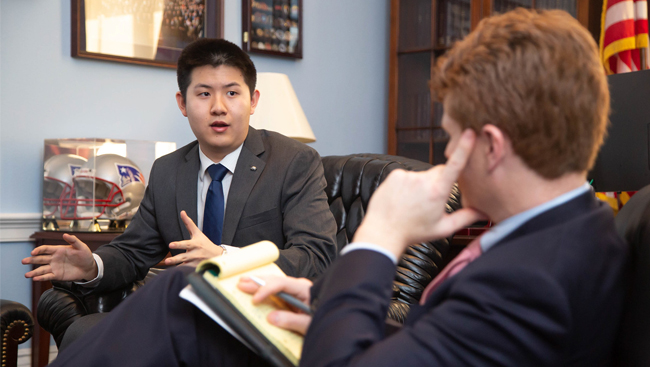 Video AdvocacyFace-to-face meetings with members of Congress or their staff are the most effective way to convey the importance of biomedical research funding. Learning the specifics of what to do before, during, and after a meeting will help you see how to make a lasting impression and foster a relationship with your representatives. This video will cover: • How to prepare for a meeting, effectively execute, and then follow up. • Ways to structure the conversation around what Congressional offices find valuable. • The importance of developing relationships with your member of Congress.
 -
 Eric A. Newman, a Distinguished McKnight University Professor of Neuroscience at the University of Minnesota, is a leader in the field of glial cell biology. He received his Bachelors, Masters, and PhD degrees from the Massachusetts Institute of Technology, did postdoctoral work at the Schepens Eye Research Institute, and was appointed to the faculty at the University of Minnesota in 1990.
 -
 Tess Kornfield received her PhD in neuroscience in 2015 from the University of Minnesota, where her thesis work focused on understanding how blood flow is regulated in the retinal vascular network.




