



Filter
-
(133)
-
(733)
-
(4)
-
(1)
-
(47833)
-
(91)
-
(25)
-
(14)
-
(433)
-
(7)
-
(182)
-
(8)
-
(33)
-
(17)
-
(7)
-
(9)
-
(9)
-
(5)
-
(21)
-
(8)
-
(12)
-
(9)
-
(3)
-
(10)
-
(10)
-
(56)
-
(45)
-
(12)
-
(3)
-
(7)
-
(6)
-
(5)
-
(8)
-
(7)
-
(11)
-
(58)
-
(13)
-
(30)
-
(8)
-
(5)
-
(10)
-
(5)
-
(15)
-
(4)
1831 - 1840
of 52756 results
-
 Journal ArticleTranscranial magnetic stimulation (TMS) is a noninvasive brain stimulation method that modulates brain activity by inducing electric fields in the brain. Real-time, state-dependent stimulation with TMS has shown that neural oscillation phase modulates corticospinal excitability. However, such motor evoked potentials (MEPs) only indirectly reflect motor cortex activation and are unavailable at other brain regions of interest. The direct and secondary cortical effects of phase-dependent brain stimulation remain an open question. In this study, we recorded the cortical responses during single-pulse TMS using electroencephalography (EEG) concurrently with the MEP measurements in 20 healthy human volunteers (11 female). TMS was delivered at peak, rising, trough, and falling phases of mu (8–13 Hz) and beta (14–30 Hz) oscillations in the motor cortex. The cortical responses were quantified through TMS evoked potential components N15, P50, and N100 as peak-to-peak amplitudes (P50-N15 and P50-N100). We further anal...Nov 1, 2024
 -
 Journal ArticleThe neural network, including the interstitial nucleus of Cajal (INC), functions as an oculomotor neural integrator involved in the control of vertical gaze holding. Impairment of the vestibulocerebellum (VC), including the flocculus (FL), has been shown to affect vertical gaze holding, indicating that the INC cooperates with the VC in controlling this function. However, a network between the INC and VC has not been identified. In this study, we aimed to obtain anatomical evidence of a neural pathway from the INC to the VC (the INC-VC pathway) in rats. Injection of dextran-conjugated Alexa Fluor 488 or adeno-associated virus 2-retro (AAV2retro) expressing GFP into the FL or another VC region (uvula/nodulus) did not reveal any retrogradely labeled neurons in the INC, suggesting that INC neurons do not project directly to the VC. Rabies virus-based transsynaptic tracing experiments revealed that the INC-VC pathway is mediated via synaptic connections with the prepositus hypoglossi nucleus (PHN) and medial ve...Nov 1, 2024
 -
 Journal ArticleAdeno-associated viral vector (AAV) serotypes vary in how effectively they express genes across different cell types and brain regions. Here we report a systematic comparison of the AAV serotypes 1, 2, 5, 8, 9, and the directed evolution derived AAVrg, in the inferior colliculus (IC) and cerebellum. The AAVs were identical apart from their different serotypes, each having a synapsin promotor and expressing GFP (AAV-hSyn-GFP). Identical titers and volumes were injected into the IC and cerebellum of adult male and female mice, and brains were sectioned and imaged 2 weeks later. Transduction efficacy, anterograde labeling of axonal projections, and retrograde labeling of somata were characterized and compared across serotypes. Cell-type tropism was assessed by analyzing the morphology of the GFP-labeled neurons in the cerebellar cortex. In both the cerebellum and IC, AAV1 expressed GFP in more cells, labeled a larger volume, and produced significantly brighter labeling than all other serotypes, indicating sup...Nov 1, 2024
 -
 Journal ArticleNeuroinflammation can lead to chronic maladaptive pain affecting millions of people worldwide. Neurotransmitters, cytokines, and ion channels are implicated in neuroimmune cell signaling, but their roles in specific behavioral responses are not fully elucidated. Voltage-gated CaV2.2 channel activity in skin controls rapid and transient heat hypersensitivity induced by intradermal (i.d.) capsaicin via IL-1ɑ cytokine signaling. CaV2.2 channels are not, however, involved in mechanical hypersensitivity that developed in the i.d. capsaicin animal model. Here, we show that CaV2.2 channels are also critical for heat hypersensitivity induced by i.d. complete Freund adjuvant (CFA). i.d. CFA, a model of chronic neuroinflammation, involves ongoing cytokine signaling for days leading to pronounced edema and hypersensitivity to sensory stimuli. Peripheral CaV2.2 channel activity in the skin was required for the full development and week-long time course of heat hypersensitivity induced by i.d. CFA, but paw edema and me...Nov 1, 2024
 -
 Journal ArticleNeurodevelopmental abnormalities are considered to be one of the important causes of schizophrenia. The offspring of methylazoxymethanol acetate (MAM)–exposed mice are recognized for the dysregulation of neurodevelopment and are well-characterized with schizophrenia-like phenotypes. However, the inhibition-related properties of the medial prefrontal cortex (mPFC) and hippocampus throughout adolescence and adulthood have not been systematically elucidated. In this study, both 10 and 15 mg/kg MAM-exposed mice exhibited schizophrenia-related phenotypes in both adolescence and adulthood, including spontaneous locomotion hyperactivity and deficits in prepulse inhibition. We observed that there was an obvious parvalbumin (PV) loss in the mPFC and hippocampus of MAM-exposed mice, extending from adolescence to adulthood. Moreover, the frequency of spontaneous inhibitory postsynaptic currents (sIPSCs) in pyramidal neurons at mPFC and hippocampus was significantly dampened in the 10 and 15 mg/kg MAM-exposed mice. Fu...Nov 1, 2024
 -
Journal ArticleSocial status and dominance are critical factors influencing well-being and survival across multiple species. However, dominance behaviors vary widely across species, from elaborate feather displays in birds to aggression in chimps. To effectively study dominance, it is essential to clearly define and reliably measure dominance behaviors. In laboratory settings, C57BL/6 mice are commonly used to study dominance due to their stable and linear social hierarchies. However, other mouse strains are also used for laboratory research. Despite substantial evidence for strain effects on behavioral repertoires, the impact of strain on dominance in mice remains largely unstudied. To address this gap, we compared dominance behaviors between CD1 and C57BL/6 male mice across four assays: observation of agonistic behaviors, urine marking, tube test, and a reward competition. We found that CD1 mice demonstrate increased fighting, increased territorial marking through urination, and increased pushing and resisting in the t...Nov 1, 2024
-
 Journal ArticleVisual working memory (VWM) requires precise feature binding. Previous studies have revealed a close relationship between the posterior parietal cortex (PPC) and feature binding during VWM; this study further examined their causal relationship through three transcranial direct current stimulation (tDCS) experiments. In Experiment 1 ( N = 57), participants underwent three sessions of tDCS separately, including PPC stimulation, occipital cortex stimulation, and sham stimulation, and completed delayed estimation tasks for orientations before and after stimulation. Results showed that tDCS over PPC selectively prolonged recall response time (RT) and increased the probability of nontarget responses (a.k.a. failure of feature binding, p NT). In Experiment 2 ( N = 29), combining metacognition estimation, we further investigated whether the effects of PPC stimulation were attributed to misbinding (i.e., participants self-reported “remembered” in nontarget responses) or informed guessing trials (participants self...Nov 1, 2024
 -
 Article Professional DevelopmentJoshua Levitz has developed new approaches to study G protein-coupled receptors, a type of receptor found in cell membranes. He created a method to manipulate the activity of these receptors with synthetic chemical photo-switches.Apr 19, 2016
 -
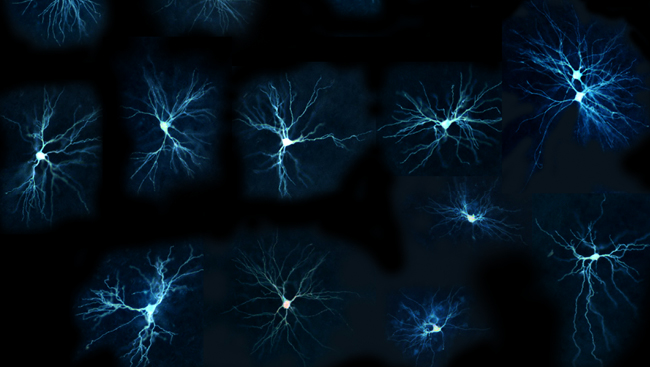 Article Professional DevelopmentIn its Gray Matters report, the United States Presidential Commission for the Study of Bioethical Issues underscored the importance of integrating ethics and neuroscience early and throughout the research endeavor.Apr 14, 2016
 -
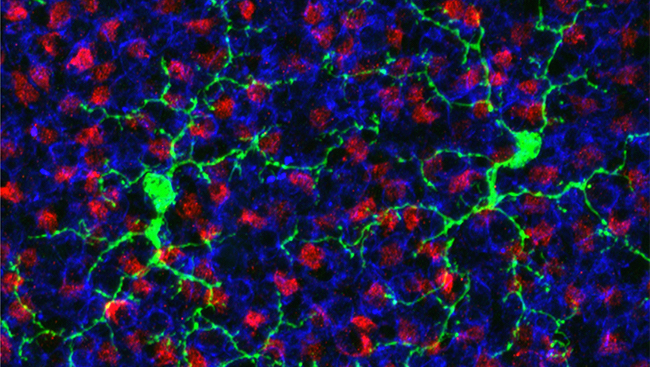 Article Scientific ResearchIn everyday life, emotional scenes captivate us, and we remember them more readily than ordinary scenes and events. Pathways that convey sensory signals reach neurons in the thalamus, which then convey the signals to the cerebral cortex, the brain’s outer rim.Apr 14, 2016




