



Filter
-
(133)
-
(733)
-
(4)
-
(1)
-
(47832)
-
(91)
-
(25)
-
(14)
-
(433)
-
(7)
-
(181)
-
(8)
-
(33)
-
(17)
-
(7)
-
(9)
-
(9)
-
(5)
-
(21)
-
(8)
-
(12)
-
(9)
-
(3)
-
(10)
-
(10)
-
(56)
-
(45)
-
(12)
-
(3)
-
(7)
-
(6)
-
(5)
-
(8)
-
(7)
-
(11)
-
(58)
-
(13)
-
(30)
-
(8)
-
(5)
-
(10)
-
(5)
-
(14)
-
(4)
1661 - 1670
of 52753 results
-
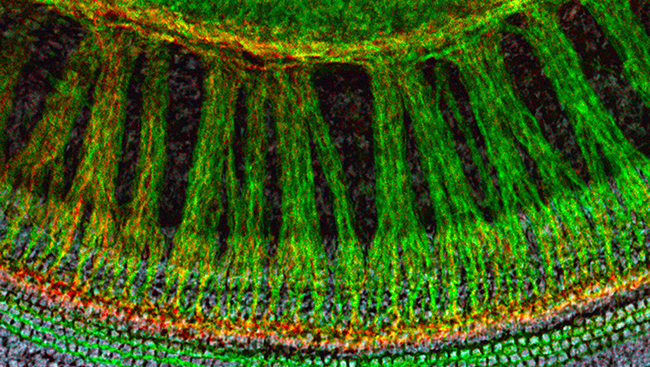 Article Scientific ResearchAnimals, in their natural environment, sample their surroundings in search for chemical cues that are crucial for their surviving.Dec 14, 2016
 -
 Article Professional DevelopmentSetbacks are inevitable. While they may feel catastrophic in the moment, with the right outlook, challenges can be the key to learning, improving, and moving forward.Dec 13, 2016
 -
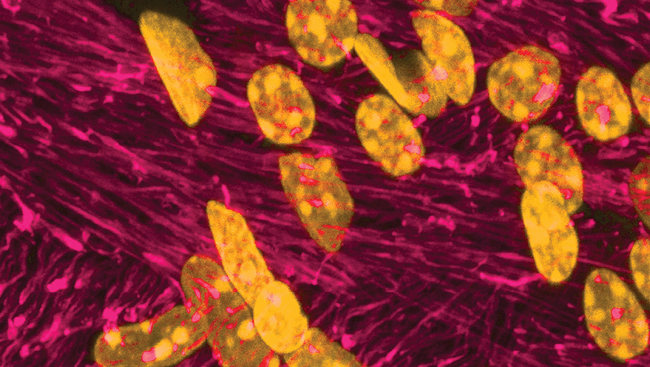 Article Scientific ResearchWhile animal models provide important insights into neurological disease, they rarely offer a complete picture.Dec 13, 2016
 -
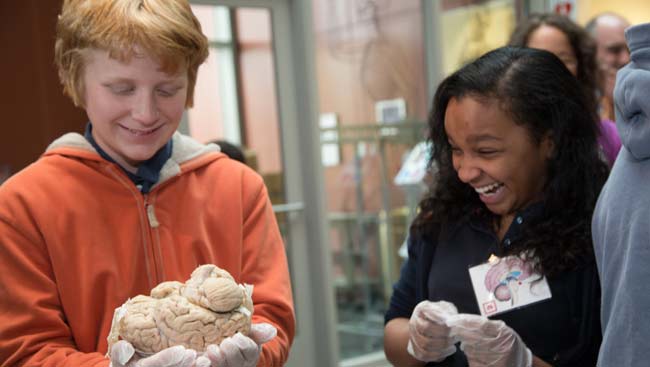 Article OutreachAs our society focuses more on STEM education and research, it is important that scientists are willing and prepared to share our stories to further understanding and connection.Dec 7, 2016
 -
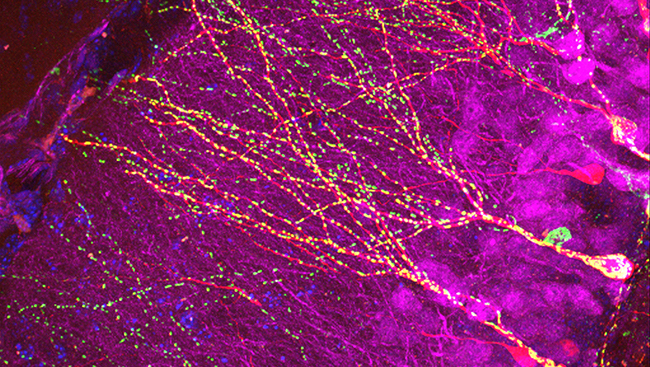 Article Scientific ResearchA key feature of neural circuits is their ability to internally generate spontaneous bursts of network activity that can propagate as a wave over long distances.Dec 7, 2016
 -
 Article OutreachThe following case study is adapted from a Theme J abstract (formerly Theme H) presented at Neuroscience 2015. Theme J abstracts cover topics related to history, teaching, public awareness, and societal impacts in neuroscience, allowing departments and organizations to showcase the work they have done in these areas. Regardless of their backgrounds, students entering neuroscience PhD programs must learn about established and cutting-edge techniques as well as develop critical reading and oral presentation skills they’ll use for the rest of their careers. With this in mind, students in our UCLA neuroscience interdepartmental PhD program, with guidance from faculty sponsor Anne Andrews, created a student-led seminar course to expose first-year students to a wide range of scientific and communication techniques. It has now been held four times.Dec 6, 2016
 -
 Article TrainingPaul McGonigle shares how faculty can prepare students interested in working in different fields, such as health care, education, or public policy.Dec 6, 2016
 -
 Journal ArticleThe medial frontal cortex (mFC) and locus coeruleus (LC) are two brain areas that have been implicated in a range of cognitive phenomena, such as attention, memory, and decision making. Regulators of these brain regions at the molecular level are not well understood, but might help to elucidate underlying mechanisms of disorders that present with deficits in these cognitive domains. To probe this, we used chemogenetic stimulation of neurons in the LC with axonal projections to the prelimbic subregion (PrL) of the mFC, and subsequent bulk RNA-sequencing from the mouse PrL. We found that stimulation of this circuit caused an increase in transcription of a host of genes, including the Apoe gene. To investigate cell type-specific expression of Apoe in the PrL, we used a dual-virus approach to express either the excitatory DREADD receptor hM3Dq in LC neurons with projections to the PrL, or a control virus, and found that increases in Apoe expression in the PrL following depolarization of LC inputs is enriched i...Dec 4, 2024
 -
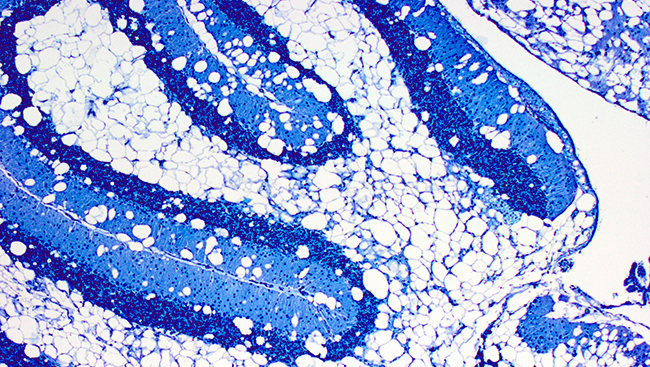 Article Scientific ResearchThe way we perceive the world around us depends on the proper balance and integration of excitatory and inhibitory inputs in neuronal networks that process specific sensory stimuli.Nov 30, 2016
 -
Journal ArticleIncreasing data suggest a crucial relationship between glycolipid metabolic disorder and neuropsychiatric injury. The aim of this study is to investigate the behavioral performance changes and neuropathological injuries in mice challenged with high-fat diet (HFD) and streptozotocin (STZ). The glucose metabolism indicators and behavioral performance were detected. The mRNA expression of IL-1β, IL-6, TNF-α, ocln, zo-1, clnds and protein expression of APP, p-Tau, p-IRS1, p-AKT, p-ERK, TREM1/2 were measured. The fluorescence intensities of MAP-2, NeuN, APP, p-Tau, GFAP and IBA-1 were observed. The results showed that combination of HFD and STZ/I.P could induce glucose metabolic turmoil and Alzheimer's disease (AD)-like neuropsychiatric dysfunction in mice, as indicated by the increased concentrations of FBG and impaired learning and memory ability. Moreover, the model mice presented the increased level of APP, p-Tau, p-IRS1, TREM2, IL-1β, IL-6, TNF-α, ocln, zo-1 and clnds, the decreased level of p-AKT, p-ERK a...Dec 3, 2024




