



Filter
-
(133)
-
(733)
-
(4)
-
(1)
-
(47832)
-
(91)
-
(25)
-
(14)
-
(433)
-
(7)
-
(181)
-
(8)
-
(33)
-
(17)
-
(7)
-
(9)
-
(9)
-
(5)
-
(21)
-
(8)
-
(12)
-
(9)
-
(3)
-
(10)
-
(10)
-
(56)
-
(45)
-
(12)
-
(3)
-
(7)
-
(6)
-
(5)
-
(8)
-
(7)
-
(11)
-
(58)
-
(13)
-
(30)
-
(8)
-
(5)
-
(10)
-
(5)
-
(14)
-
(4)
1641 - 1650
of 52753 results
-
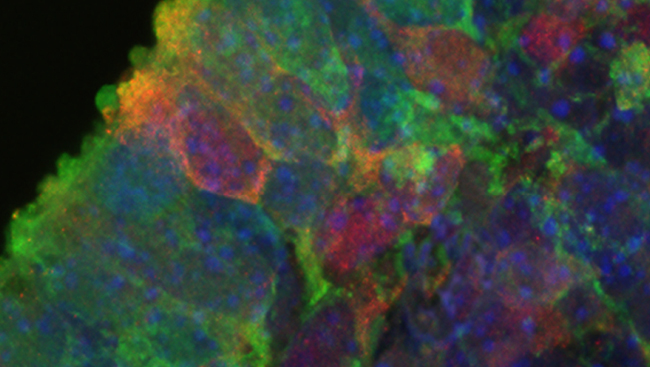 Article Professional DevelopmentThe introduction of “addiction vaccines” has brought with it a belief that we have the potential to cure addicts before they have ever tried a drug. Proponents of addiction vaccines hold that they will: prevent children from becoming addicted to drugs in the future, allow addicts to easily and safely stop using drugs, and potentially lower the social and economic costs of addiction for society at large.Jan 24, 2017
 -
 Video Annual Meeting Professional DevelopmentEnsuring a productive and professional relationship between mentor and mentee is not always easy, especially when differences in training goals arise. This workshop explores both of their perspectives and suggests best practices to foster productive relationships and address challenges.Jan 23, 2017
 -
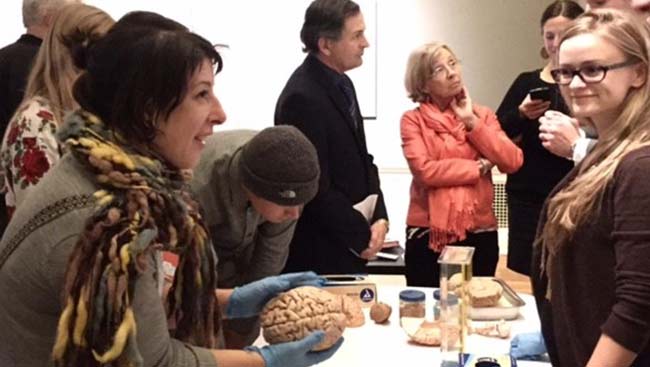 Article OutreachHigh impact chapters do three things consistently: communicate with the public, recruit volunteers, and seek resources.Jan 18, 2017
 -
 Journal ArticleSingle-nucleus RNA-sequencing (snRNA-seq) has revealed new levels of cellular organization and diversity within the human brain. However, full-length mRNA isoforms are not resolved in typical snRNA-seq analyses using short-read sequencing that cannot capture full-length transcripts. Here we combine standard 10X Genomics short-read snRNA-seq with targeted PacBio long-read snRNA-seq to examine isoforms of genes associated with neurological diseases at the single-cell level from prefrontal cortex samples of diseased and non-diseased human brain, assessing over 165,000 cells. Samples from 25 post-mortem donors with Alzheimer’s disease (AD), dementia with Lewy bodies (DLB), or Parkinson’s disease (PD), along with age-matched controls were compared. Analysis of the short-read libraries identified shared and distinct gene expression changes across the diseases. The same libraries were then assayed using enrichment probes to target 50 disease-related genes followed by long-read PacBio sequencing, enabling linkage ...Dec 10, 2024
 -
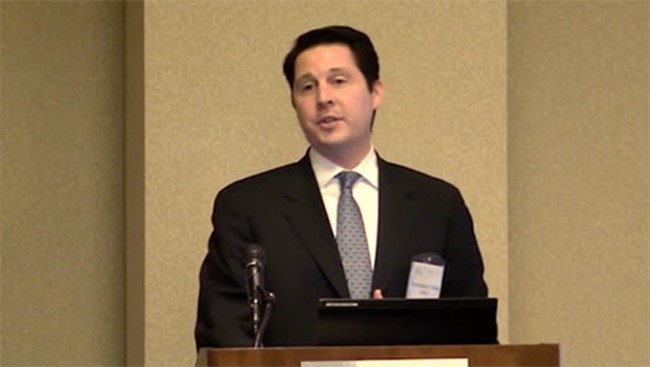 Video Career PathsChristopher Tobias, the executive vice president and managing director of Dudnyk, tells the story of how he chose to leave academia after 10 years of basic science research. He explains how the strengths he gained from doctoral work equipped him with a number of skillsets that helped him build a successful business career.Jan 12, 2017
 -
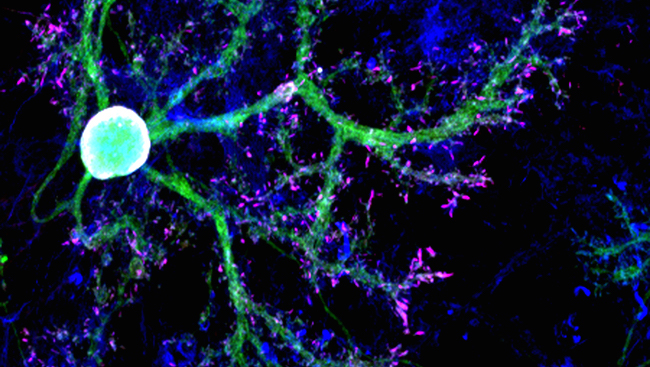 Article Scientific ResearchReal-world scenes are highly complex, cluttered, and heterogeneous visual stimuli.Jan 12, 2017
 -
Journal ArticleIn an effort to increase access to neuroscience education in underserved communities, we created an educational program that utilizes a simple task to measure place preference of the cockroach ( Gromphadorhina portentosa ) and the open-source free software, SLEAP Estimates Animal Pose (SLEAP) to quantify behavior. Cockroaches ( n = 18) were trained to explore a linear track for 2 min while exposed to either air, vapor, or vapor with nicotine from a port on one side of the linear track over 14 d. The time the animal took to reach the port was measured, along with distance traveled, time spent in each zone, and velocity. As characterizing behavior is challenging and inaccessible for nonexperts new to behavioral research, we created an educational program using the machine learning algorithm, SLEAP, and cloud-based (i.e., Google Colab) low-cost platforms for data analysis. We found that SLEAP was within a 0.5% margin of error when compared with manually scoring the data. Cockroaches were found to have an inc...Dec 9, 2024
-
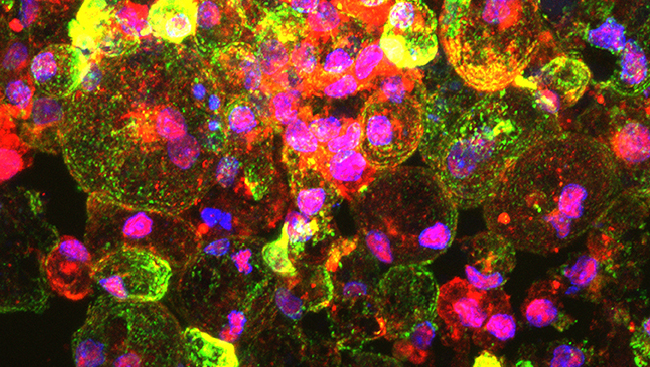 Article Scientific ResearchAnimals that live in nontropical climates need to adjust their behavior and physiology throughout the year to survive in the face of a cyclically changing environment.Jan 5, 2017
 -
 Video Career PathsGo Beyond the Lab with former PhD students and postdocs from Vanderbilt University School of Medicine. Through the ASPIRE Program, which is funded by a BEST grant from the NIH, the Biomedical Research Education and Training office at Vanderbilt has produced a video series highlighting the varied jobs that PhDs in the biomedical sciences pursue after their training is complete. The series interviews Vanderbilt alumni about their career and their advice for others who want to pursue similar professional paths.Jan 5, 2017
 -
 Professional Development“Career success shouldn't be a competition; it should be satisfaction. To me, it should be a relief when you sit back and replay your research area, what you have been able to contribute to society, and what society has been able to gain from you.” -Aminat Imamfulani, University of IlorinJan 3, 2017




