



Filter
-
(133)
-
(733)
-
(4)
-
(1)
-
(47832)
-
(91)
-
(25)
-
(14)
-
(433)
-
(7)
-
(181)
-
(8)
-
(33)
-
(17)
-
(7)
-
(9)
-
(9)
-
(5)
-
(21)
-
(8)
-
(12)
-
(9)
-
(3)
-
(10)
-
(10)
-
(56)
-
(45)
-
(12)
-
(3)
-
(7)
-
(6)
-
(5)
-
(8)
-
(7)
-
(11)
-
(58)
-
(13)
-
(30)
-
(8)
-
(5)
-
(10)
-
(5)
-
(14)
-
(4)
1591 - 1600
of 52753 results
-
 Journal ArticleIt is widely believed that axons in the central nervous system of adult mammals do not regrow following injury. This failure is thought, at least in part, to underlie the limited recovery of function following injury to the brain or spinal cord. Some studies of fixed tissue have suggested that, counter to dogma, norepinephrine (NE) axons regrow following brain injury. Here, we have used in vivo two-photon microscopy in layer 1 of the primary somatosensory cortex in transgenic mice harboring a fluorophore selectively expressed in NE neurons. This protocol allowed us to explore the dynamic nature of NE axons following injury with the selective NE axon toxin N-(2-chloroethyl)-N-ethyl-2-bromobenzylamine (DSP4). Following DSP4, NE axons were massively depleted and then slowly and partially recovered their density over a period of weeks. This regrowth was dominated by new axons entering the imaged volume. There was almost no contribution from local sprouting from spared NE axons. Regrown axons did not appear to ...Dec 26, 2024
 -
 Article AdvocacyAs he earns his PhD, Ian McLaughlin makes time to step beyond the bench to educate the public about the brain.Apr 20, 2017
 -
 Webinar Career PathsThis resource was featured in the NeuroJobs Career Center. Visit today to search the world’s largest source of neuroscience opportunities. With different opportunities and environments in academia, industry, and government, how can neuroscientists determine the right career path for them? Understanding what to expect in each field can help you make informed choices that lead to satisfaction and success whether you are just starting out or transitioning later in your career. In this webinar, representatives from academia, industry, and government will showcase the unique characteristics of each workplace and share advice on what to consider when contemplating a career move based on their own transitions. Right after the panel discussion, head to the Neuronline community for a special live chat with the webinar speakers, where they will take your career path questions. This webinar and live chat are open to all SfN members. Not a member? Join or renew your membership today.Apr 20, 2017
 -
 Article DiversityAre you working to increase awareness of the issues facing women in academia?Apr 18, 2017
 -
Article CommunityAre you working to increase awareness of the issues facing women in academia?Apr 18, 2017
-
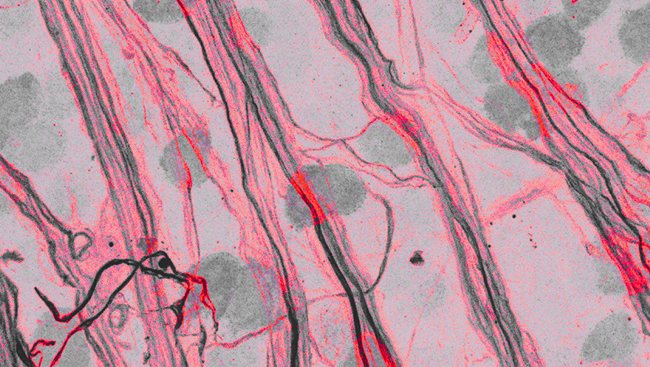 Article Professional DevelopmentSensitivity, awareness, and acknowledgement of your institutional environment are critical to managing conflict.Apr 18, 2017
 -
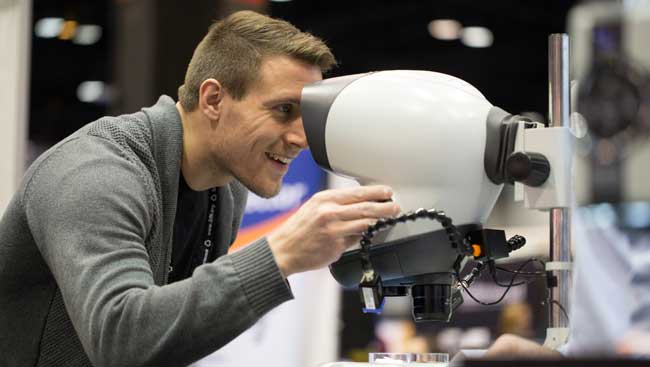 Article Career PathsPaul McGonigle shares the research opportunities that exist for neuroscientists with a Master’s degree.Apr 13, 2017
 -
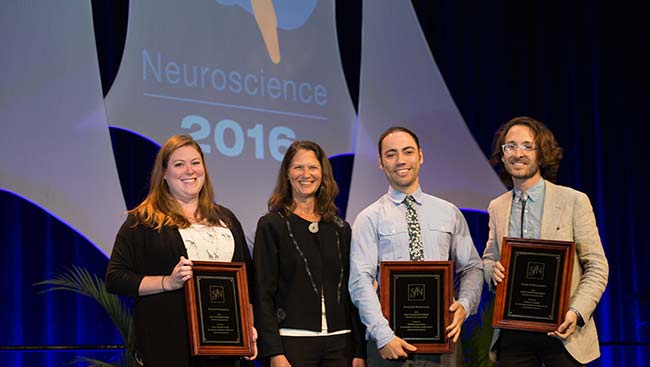 Article OutreachThe Brain Matters podcast, run by Anthony Lacagnina, Lauren Kreeger, and Matthew Davis, graduate students at The Institute of Neuroscience at The University of Texas at Austin, makes neuroscience “accessible, relatable, and intriguing while still respecting the integrity of the science we love.”Apr 13, 2017
 -
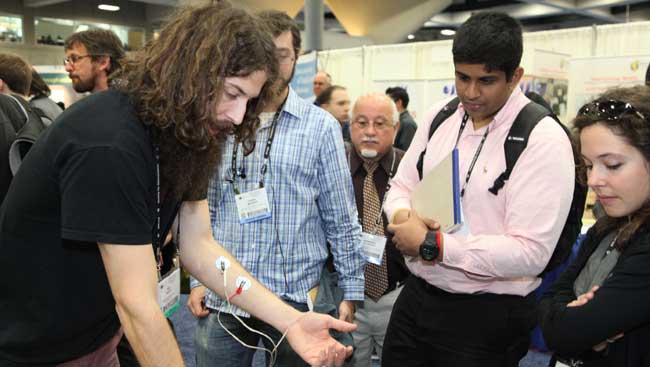 Video Career PathsNuruddeen Lewis is a scientist with the Cellular and Translational Immunology group at EMD Serono. Lewis talks about how he found EMD Serono and what a day in his lab looks like.Apr 7, 2017
 -
 Article Scientific ResearchThe problem of following a speaker’s voice in the presence of others, the Cocktail Party Problem (CPP), remains a focus of intensive research in a diverse range of fields, including neuroscience, computer science, and speech recognition, more than 50 years after it was named.Apr 6, 2017




