



Filter
-
(133)
-
(733)
-
(4)
-
(1)
-
(47832)
-
(91)
-
(25)
-
(14)
-
(433)
-
(7)
-
(181)
-
(8)
-
(33)
-
(17)
-
(7)
-
(9)
-
(9)
-
(5)
-
(21)
-
(8)
-
(12)
-
(9)
-
(3)
-
(10)
-
(10)
-
(56)
-
(45)
-
(12)
-
(3)
-
(7)
-
(6)
-
(5)
-
(8)
-
(7)
-
(11)
-
(58)
-
(13)
-
(30)
-
(8)
-
(5)
-
(10)
-
(5)
-
(14)
-
(4)
1561 - 1570
of 52753 results
-
 Journal ArticlePsychiatric disorders, including anxiety and depression, are highly comorbid in people with epilepsy. However, the mechanisms mediating the shared pathophysiology are currently unknown. There is considerable evidence implicating the basolateral amygdala (BLA) in the network communication of anxiety and fear, a process demonstrated to involve parvalbumin-positive (PV) interneurons. The loss of PV interneurons has been well described in the hippocampus of chronically epileptic mice and in postmortem human tissue of patients with temporal lobe epilepsy (TLE). We hypothesize that a loss of PV interneurons in the BLA may contribute to comorbid mood disorders in epilepsy. To test this hypothesis, we employed a ventral intrahippocampal kainic acid model of TLE in mice, which exhibits profound behavioral deficits associated with chronic epilepsy. We demonstrate a loss of PV interneurons and dysfunction of the remaining PV interneurons in the BLA of chronically epileptic mice. Furthermore, we demonstrate altered pr...Jan 1, 2025
 -
 Journal ArticleCannabinoid receptor-1 (CB1R) signaling in the dorsal striatum regulates the shift from flexible to habitual behavior in instrumental outcome devaluation. Based on prior work establishing individual-, sex-, and experience-dependent differences in pavlovian behaviors, we predicted a role for dorsomedial striatum (DMS) CB1R signaling in driving rigid responding in pavlovian autoshaping and outcome devaluation. We trained male and female Long Evans rats in pavlovian lever autoshaping (PLA). We gave intra-DMS infusions of the CB1R inverse agonist, rimonabant, before satiety-induced outcome devaluation test sessions, where we sated rats on training pellets or home cage chow and tested them in brief nonreinforced PLA sessions. Overall, inhibition of DMS CB1R signaling prevented pavlovian outcome devaluation but did not affect behavior in reinforced PLA sessions. Males were sensitive to devaluation while females were not, and DMS CB1R blockade impaired devaluation sensitivity in males. Because these results sugge...Jan 1, 2025
 -
 Journal ArticleBrain-derived neurotrophic factor (BDNF) and tropomyosin receptor kinase B (TrkB) are known to contribute to both protective and pronociceptive processes. However, their contribution to neuropathic pain after spinal cord injury (SCI) needs further investigation. In a recent study utilizing TrkBF616A mice, it was shown that systemic pharmacogenetic inhibition of TrkB signaling with 1NM-PP1 (1NMP) immediately after SCI delayed the onset of pain hypersensitivity, implicating maladaptive TrkB signaling in pain after SCI. To examine potential neural mechanisms underlying the behavioral outcome, patch-clamp recording was performed in small-diameter dissociated thoracic (T) dorsal root ganglia (DRG) neurons to evaluate TrkB signaling in uninjured mice and after T10 contusion SCI. Bath-applied 7,8-dihydroxyflavone (7,8-DHF), a selective TrkB agonist, induced a robust inward current in neurons from uninjured mice, which was attenuated by 1NMP treatment. SCI also decreased 7,8-DHF-induced current while increasing th...Jan 1, 2025
 -
 Journal ArticleFragile X autosomal homolog 1 (FXR1), a member of the fragile X messenger riboprotein 1 family, has been linked to psychiatric disorders including autism and schizophrenia. Parvalbumin (PV) interneurons play critical roles in cortical processing and have been implicated in FXR1-linked mental illnesses. Targeted deletion of FXR1 from PV interneurons in mice has been shown to alter cortical excitability and elicit schizophrenia-like behavior. This indicates that FXR1 regulates behaviorally relevant electrophysiological functions in PV interneurons. We therefore expressed a genetically encoded hybrid voltage sensor in PV interneurons and used voltage imaging in slices of mouse somatosensory cortex to assess the impact of targeted FXR1 deletion. These experiments showed that PV interneurons lacking FXR1 had excitatory synaptic potentials with larger amplitudes and shorter latencies compared with wild type. Synaptic potential rise-times, decay-times, and half-widths were also impacted to degrees that varied bet...Jan 1, 2025
 -
 Journal ArticleThe subjective visual vertical (VV), the visually estimated direction of gravity, is essential for assessing vestibular function and visuospatial cognition. In this study, we aimed to investigate the mechanisms underlying altered VV perception in stroke participants with unilateral spatial neglect (USN), specifically by examining their eye movement patterns during VV judgment tasks. Participants with USN demonstrated limited eye movement scanning along a rotating bar, often fixating on prominent ends, such as the top or bottom. This suggests a reflexive response to visually salient areas, potentially interfering with accurate VV perception. In contrast, participants without USN showed broader scanning around the center of the bar. Notably, participants with USN without frontal lobe lesions occasionally exhibited extended scanning that included the bar’s center, which was associated with accurate VV judgments. These findings suggest that (1) a tendency to fixate on peripheral, prominent areas and (2) fronta...Jan 1, 2025
 -
 Journal ArticleThe human medial parietal cortex (MPC) is recruited during multiple cognitive processes. Previously, we demonstrated regions specific to recall of people or places and proposed that the functional organization of MPC mirrors the category selectivity defining the medial–lateral axis of the ventral–temporal cortex (VTC). However, prior work considered recall of people and places only, and VTC also shows object selectivity sandwiched between face- and scene-selective regions. Here, we tested a strong prediction of our proposal: like VTC, MPC should show a region specifically recruited during object recall, and its relative cortical position should mirror the one of VTC. While responses during people and place recall showed a striking replication of prior findings, we did not observe any evidence for object-recall effects within MPC, which differentiates it from the spatial organization in VTC. Importantly, beyond MPC, robust recall effects were observed for people, places, and objects on the lateral surface o...Jan 1, 2025
 -
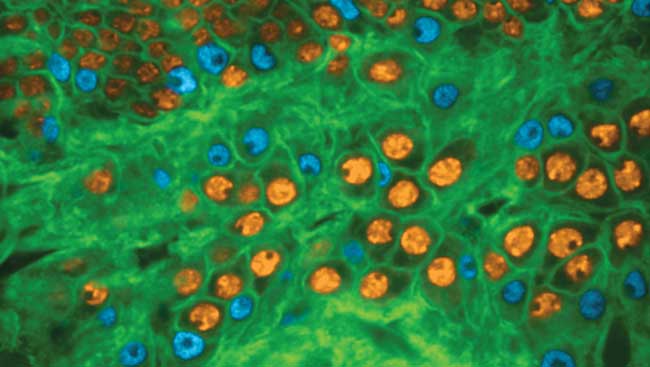 Article Scientific ResearchSonic Hedgehog (Shh) signaling contributes to the specification of midbrain dopamine neurons, which go on to form the ventral tegmental area (VTA) and substantia nigra pars compacta (SNc).Jun 1, 2017
 -
 Article Scientific ResearchScientific rigor broadly means good experimental practice. It means that other people can replicate your work and understand exactly what you did in the course of your experiments.Jun 1, 2017
 -
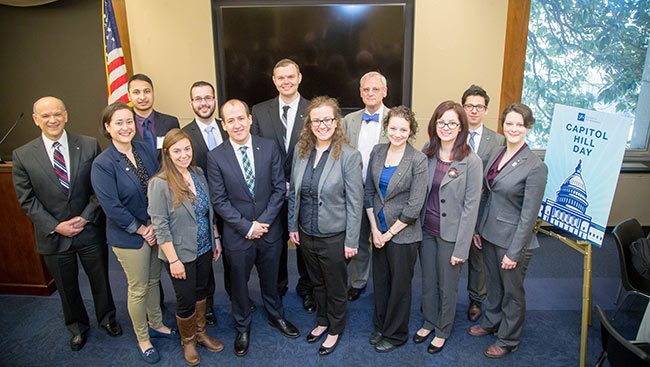 Article AdvocacyWhen Michael Wells attended SfN's 2017 Hill Day to advocate for federal funding of biomedical research, his reach went far beyond the Capitol. In between meetings with lawmakers, he also facilitated an engaging, personal conversation on mental health through the band Passion Pit’s Twitter handle. Throughout the year, Wells also makes it a priority to communicate how advances in scientific research connect to the human experience. Here, he shares what he’s learned about the importance of audience-first communication online and in-person.May 30, 2017
 -
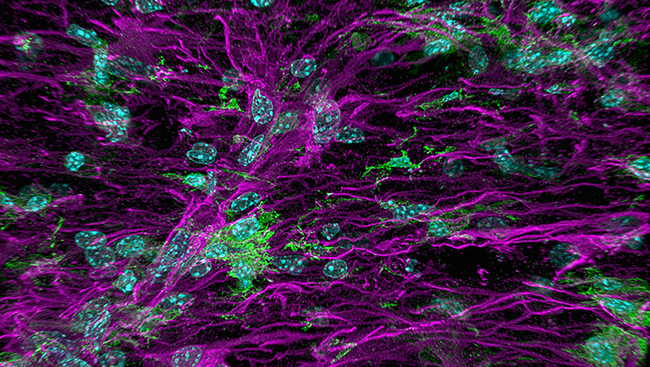 Article Annual Meeting Scientific ResearchPhysicians first noted severe mental illness ran in families nearly a century ago.May 30, 2017




