



Filter
-
(133)
-
(733)
-
(4)
-
(1)
-
(47847)
-
(92)
-
(25)
-
(14)
-
(435)
-
(7)
-
(184)
-
(8)
-
(33)
-
(17)
-
(7)
-
(9)
-
(9)
-
(5)
-
(21)
-
(8)
-
(12)
-
(9)
-
(3)
-
(10)
-
(10)
-
(56)
-
(45)
-
(12)
-
(3)
-
(7)
-
(6)
-
(5)
-
(8)
-
(7)
-
(11)
-
(58)
-
(13)
-
(31)
-
(8)
-
(5)
-
(10)
-
(5)
-
(16)
-
(4)
5591 - 5600
of 52776 results
-
Discover careers in and out of academia, considerations for basic, translational, and clinical research jobs, and advice for navigating career transitions. Find your next job opportunity through the NeuroJobs Career Center.
-
Develop skills to help you advance in your career through resources on science communication, collaborations, lab management, grants, mentoring, networking, work-life balance, and more, developed for scientists at all career stages.
-
 Video AdvocacyThe way Congress operates is complex, especially around the budget and appropriations processes. Understanding which aspects of the appropriations process affect federal science funding each year can help you know when your advocacy efforts will be most impactful to a Congressional office. This video will cover: • An overview of the basic budget and appropriations process. • How to time your advocacy efforts with that process for maximum impact. • Ways to partner with SfN on a variety of advocacy activities throughout the year.
 -
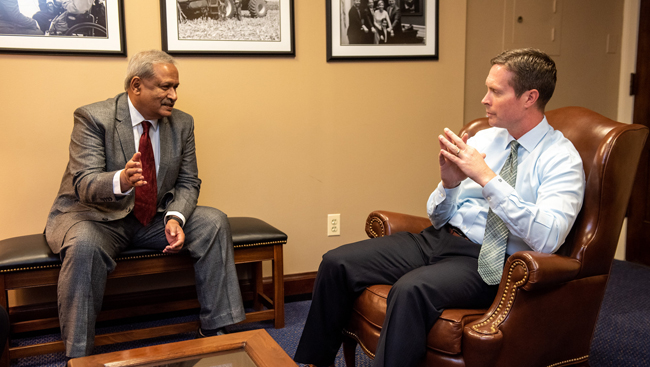 Video AdvocacyThere are certain activities you can do to advocate more efficiently. Using data, learn about the most effective ways to engage with your lawmakers. Whether you’re just stepping into advocacy or are an experienced advocate, there are many ways to get the attention of a Congressional office — even if you’re not in Washington, D.C. This video covers: • The variety of options available to communicate with Congressional offices. • Which means of communication are most impactful, according to Congressional staffers. • How to pick the platform you’re most comfortable with to engage your members of Congress.
 -
 Xiaorong Liu is an assistant professor in ophthalmology and neurobiology at Northwestern University.
 -
 Ilya Rybak is a professor at the department of neurobiology and anatomy at Drexel University College of Medicine.




