



Filter
-
(133)
-
(733)
-
(4)
-
(1)
-
(47847)
-
(92)
-
(25)
-
(14)
-
(435)
-
(7)
-
(184)
-
(8)
-
(33)
-
(17)
-
(7)
-
(9)
-
(9)
-
(5)
-
(21)
-
(8)
-
(12)
-
(9)
-
(3)
-
(10)
-
(10)
-
(56)
-
(45)
-
(12)
-
(3)
-
(7)
-
(6)
-
(5)
-
(8)
-
(7)
-
(11)
-
(58)
-
(13)
-
(31)
-
(8)
-
(5)
-
(10)
-
(5)
-
(16)
-
(4)
5341 - 5350
of 52776 results
-
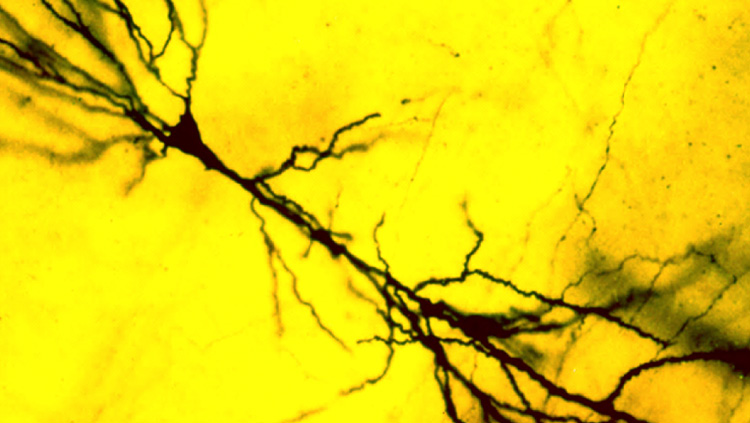 Video TrainingLearn how to simulate strokes with the simulation platform, The Virtual Brain.
 -
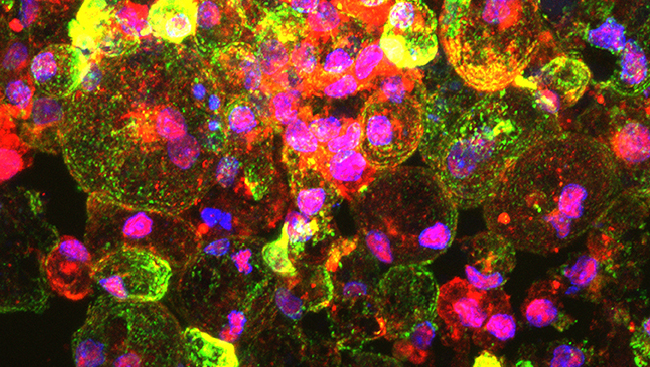 Video Scientific ResearchIn this video, Beth Cimini talks about the use of machine learning for morphological profiling, extracting many features of the cells to build up its “fingerprint.”
 -
 TrainingIn this presentation, Zhiping Pang will introduce parameters for defining human neurons derived from iPSCs. Specifically, Pang will: - Describe morphological features of human neurons (immature to mature characteristics). - Introduce morphological and biochemical techniques to characterize human neurons. - Provide information about functional characterization of human neurons, including electrophysiology (cover intrinsic neuronal membrane property; active membrane property; synapse transmission) and calcium imaging (network activity and contributions of synaptic transmission).
 -
 TrainingIn this presentation, Aparna Bhaduri and Madeline Andrews will: - Describe human cortical development and relevant cell types. - Introduce cortical organoid models. - Introduce single-cell RNA sequencing approaches. - Provide a summary of findings from organoid studies using RNA sequencing and organoid models. - Describe scRNAseq methods to better understand cell type. - Compare organoid and primary cortical cells at a single cell level.
 -
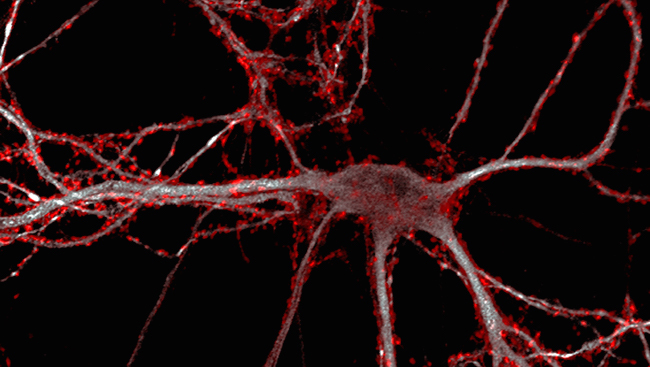 TrainingThese resources were selected by Madeline Lancaster, Aparna Bhaduri, and Madeline Andrews, faculty from Module 4: Neural Organoids. These resources supplement their presentations, “Modeling Human Brain Development in a Dish”, and “Using Organoids and Single-Cell RNA Sequencing Approaches to Study Human Cortical Development.”
 -
 Video TrainingIn this presentation, Jason Tchieu will: - Explain why human astrocytes are important. - Provide general methods to differentiate astrocytes from PSCs, including transcription factor mediated systems. - Describe how to stage and troubleshoot the differentiation(s). - Introduce functional and molecular characterization. - Introduce co-culture analysis.




