



Filter
-
(133)
-
(733)
-
(4)
-
(1)
-
(47833)
-
(91)
-
(25)
-
(14)
-
(433)
-
(7)
-
(182)
-
(8)
-
(33)
-
(17)
-
(7)
-
(9)
-
(9)
-
(5)
-
(21)
-
(8)
-
(12)
-
(9)
-
(3)
-
(10)
-
(10)
-
(56)
-
(45)
-
(12)
-
(3)
-
(7)
-
(6)
-
(5)
-
(8)
-
(7)
-
(11)
-
(58)
-
(13)
-
(30)
-
(8)
-
(5)
-
(10)
-
(5)
-
(15)
-
(4)
1871 - 1880
of 52756 results
-
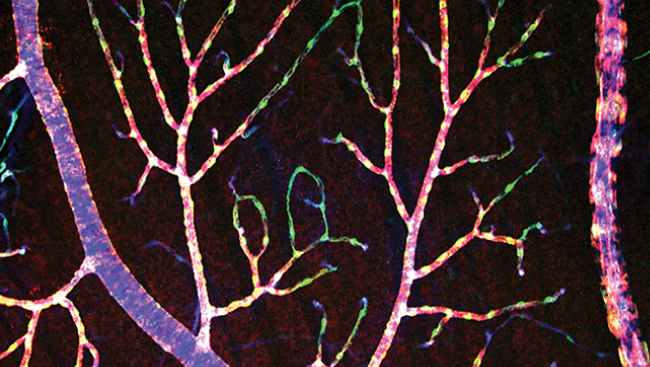 Article Scientific ResearchOur brain is a hungry organ. Although it accounts for only 2 percent of our body weight, the brain consumes 20 percent of the oxygen and 25 percent of the total nutrients that our body utilizes. The brain has an extensive blood supply to feed itself. Interruption of this supply, even for just a few minutes, can damage the brain permanently.Feb 11, 2016
 -
 Journal ArticleEach olfactory cortical hemisphere receives ipsilateral odor information directly from the olfactory bulb and contralateral information indirectly from the other cortical hemisphere. Since neural projections to the olfactory cortex are disordered and non-topographic, spatial information cannot be used to align projections from the two sides like in the visual cortex. Therefore, how bilateral information is integrated in individual cortical neurons is unknown. We have found, in mice, that the odor responses of individual neurons to selective stimulation of each of the two nostrils are significantly correlated, such that odor identity decoding optimized with information arriving from one nostril transfers very well to the other side. Nevertheless, these aligned responses are asymmetric enough to allow decoding of stimulus laterality. Computational analysis shows that such matched odor tuning is incompatible with purely random connections but is explained readily by Hebbian plasticity structuring bilateral co...Oct 21, 2024
 -
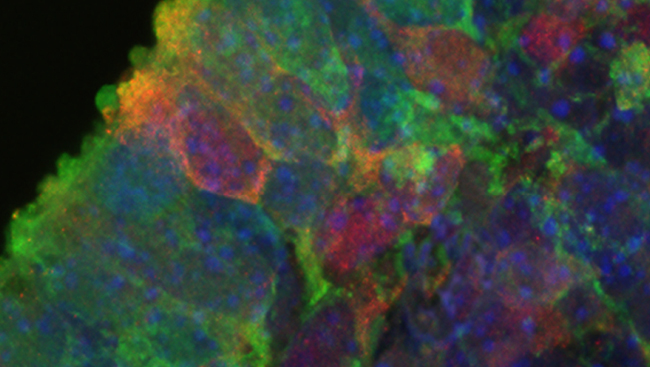 Article Scientific ResearchAlcohol use disorder (or alcoholism) is a widespread illness and considered to result from abnormally enhanced learning and memory processes. However, the detailed mechanisms underlying this illness are not understood well, and the therapeutics are also limited.Feb 4, 2016
 -
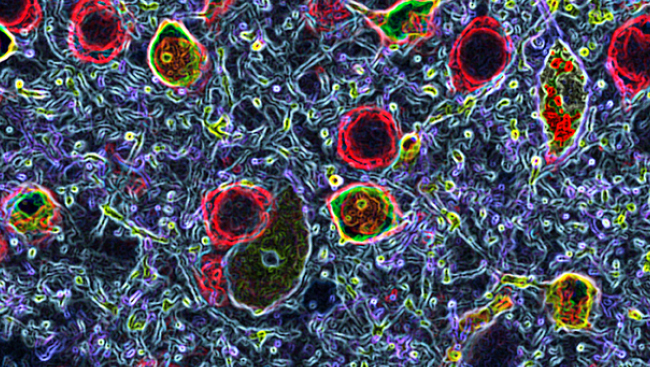 Video Annual Meeting OutreachThe field of neuroscience is advancing in ways that we couldn’t have imagined a few decades ago. This outstanding progress is partially due to an increased public awareness of the importance of brain research. In this series of forward-looking talks, a team of experts will inspire and remind you why it is such an exciting time to be in the field of neuroscience.Feb 4, 2016
 -
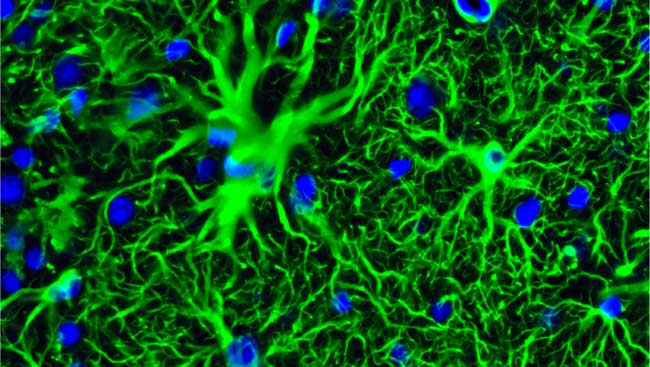 Webinar Scientific ResearchInvestigations into the lack of reproducibility in preclinical research often identify unintended biases in experimental planning and execution. This webinar – the second in SfN's series Promoting Awareness and Knowledge to Enhance Scientific Rigor in Neuroscience – will cover random sampling, blinding, and balancing experiments to avoid sources of bias. Webinar attendees will leave the session understanding: Different sources of bias and how they can influence experimental design, data collection, and reporting Best practices for minimizing bias in experimental procedures, including: blinding; systematic random sampling; inclusion of positive and negative controls; and methods of quality control for reliability and reproducibility How biases can affect rigorous implementation of the scientific method and considerations for unbiased hypothesis testing This training module is supported by Grant Number 1R25DA041326-01 from the National Institute on Drug Abuse (NIDA). The original contents of this module are solely the responsibility of SfN and do not necessarily reflect the official views of NIDA.Feb 2, 2016
 -
 Webinar AdvocacyThe way you communicate your science matters. In this interactive webinar, neuroscientists and science communicators will explain how to develop an effective description of your research for lawmakers. In this webinar you’ll learn practical skills, including how to: Turn your research into an elevator speech for lawmakers and other advocacy professionals Change your description based on your target audience Critically assess and improve speeches as we review video submissions live on the airFeb 2, 2016
 -
 Article Professional DevelopmentMany new graduate students aren’t sure what they want to do in the future. How can first year graduate students and their mentors use an IDP?Feb 2, 2016
 -
 Podcast Scientific ResearchScents and tastes are powerfully evocative — one whiff of perfume or a cooking aroma can transport you back to a particular moment, place, or a person. Because the things we smell reach two brain structures — the hippocampus and amygdala — in just one synapse, scents can almost immediately stimulate the key brain areas for memory, emotion, and location. In this episode of Totally Cerebral, Wendy Suzuki speaks with neuroscientist Howard Eichenbaum, an expert on olfactory memory. With chemist Kent Kirshenbaum, they sit down to a meal with Chef Anita Lo to hear how she plays with our senses and our memories in her delicious creations.Jan 28, 2016
 -
 Article OutreachSuccess in academia requires proficiency in a variety of skills, but many graduate and professional programs only offer training in a few. At Tufts University in Boston, we offer the Training in Education and Critical Research Skills (TEACRS) program to train talented postdoctoral trainees with the skills needed to succeed in an academic career through funding, research, teaching, and career development opportunities.Jan 28, 2016
 -
 Article Scientific ResearchAs the brain forms, there is a dynamic tension between whether a cell divides to make more mitotically active cells or differentiates to become neuron or glia. In the cerebral cortex, the biggest and most complex part of the mammalian brain, dividing cells reside close to the lateral ventricle and differentiated cells occupy domains closer to the skull.Jan 28, 2016




