



Filter
-
(133)
-
(734)
-
(4)
-
(1)
-
(47853)
-
(92)
-
(25)
-
(14)
-
(435)
-
(7)
-
(185)
-
(8)
-
(33)
-
(17)
-
(7)
-
(10)
-
(9)
-
(5)
-
(21)
-
(8)
-
(12)
-
(9)
-
(3)
-
(10)
-
(10)
-
(56)
-
(45)
-
(12)
-
(3)
-
(7)
-
(6)
-
(5)
-
(8)
-
(7)
-
(11)
-
(58)
-
(13)
-
(31)
-
(8)
-
(5)
-
(10)
-
(5)
-
(16)
-
(4)
6391 - 6400
of 52788 results
-
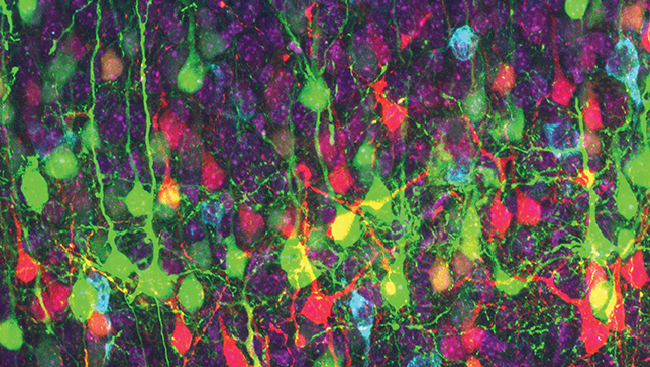 Video Professional DevelopmentThe following videos are from the 2016 LATP course held by IIBCE.
 -
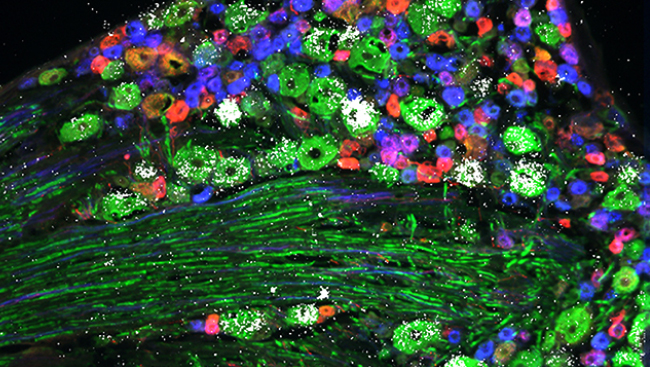 Video Professional DevelopmentThe following videos are from the 2015 LATP course held by UNAM.
 -
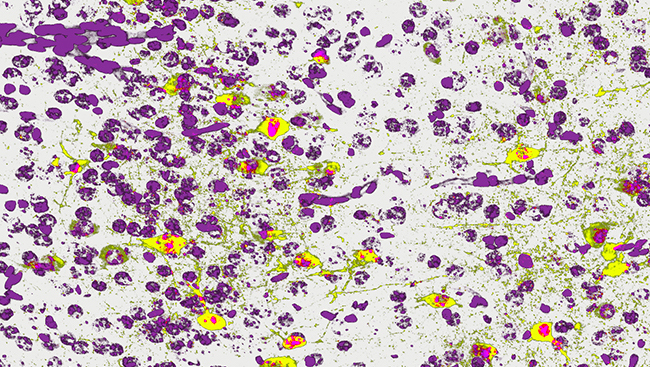 Article Professional DevelopmentThe webinars presented by the Latin American Training Program cover a wide range of professional development topics to help you stay abreast of the latest information and best practices in the field year round.
 -
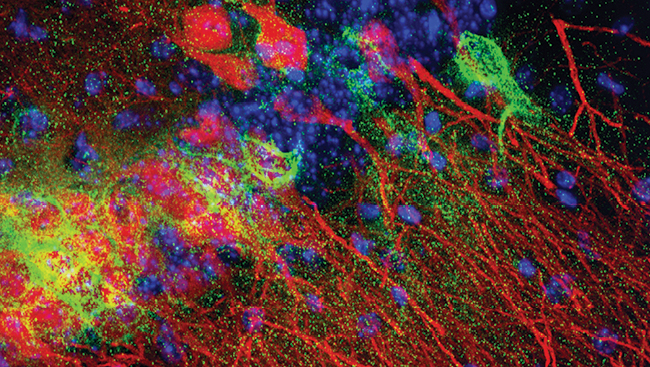 Video Professional DevelopmentThe following videos are from the 2018 LATP course held by CINV.
 -
 Video Professional DevelopmentThe following videos are from the 2017 LATP course held by UniValle.
 -

-
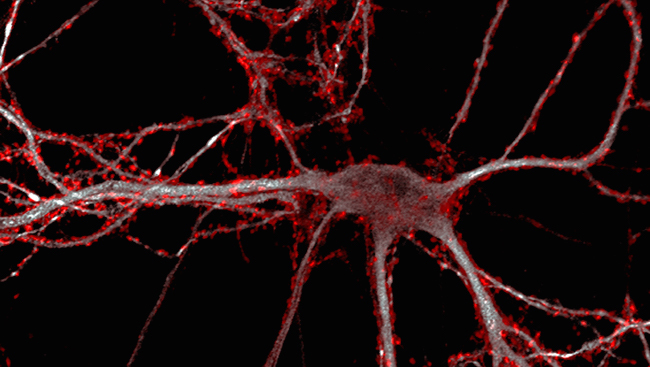 Article Scientific ResearchInjuries to areas of the brain responsible for motor function can have devastating and permanent effects on motor abilities. For example, after injury to motor areas on one side of the brain due to stroke or traumatic brain injury, use of the hand and digits on the opposite side of the body to grasp and manipulate small objects is often severely impaired. With these impairments, individuals have difficulty performing activities of daily living, such as dressing, eating, and maintaining personal hygiene. Employment may also be affected when physical labor or fine motor control skills such as typing, writing, or manipulating a computer mouse are necessary. However, animal studies have shown the brain can respond to injuries by making new connections from uninjured parts of the brain to neurons involved in controlling muscles that move the impaired hand and digits.




