



Filter
-
(133)
-
(734)
-
(4)
-
(1)
-
(47853)
-
(92)
-
(25)
-
(14)
-
(435)
-
(7)
-
(185)
-
(8)
-
(33)
-
(17)
-
(7)
-
(10)
-
(9)
-
(5)
-
(21)
-
(8)
-
(12)
-
(9)
-
(3)
-
(10)
-
(10)
-
(56)
-
(45)
-
(12)
-
(3)
-
(7)
-
(6)
-
(5)
-
(8)
-
(7)
-
(11)
-
(58)
-
(13)
-
(31)
-
(8)
-
(5)
-
(10)
-
(5)
-
(16)
-
(4)
6221 - 6230
of 52788 results
-
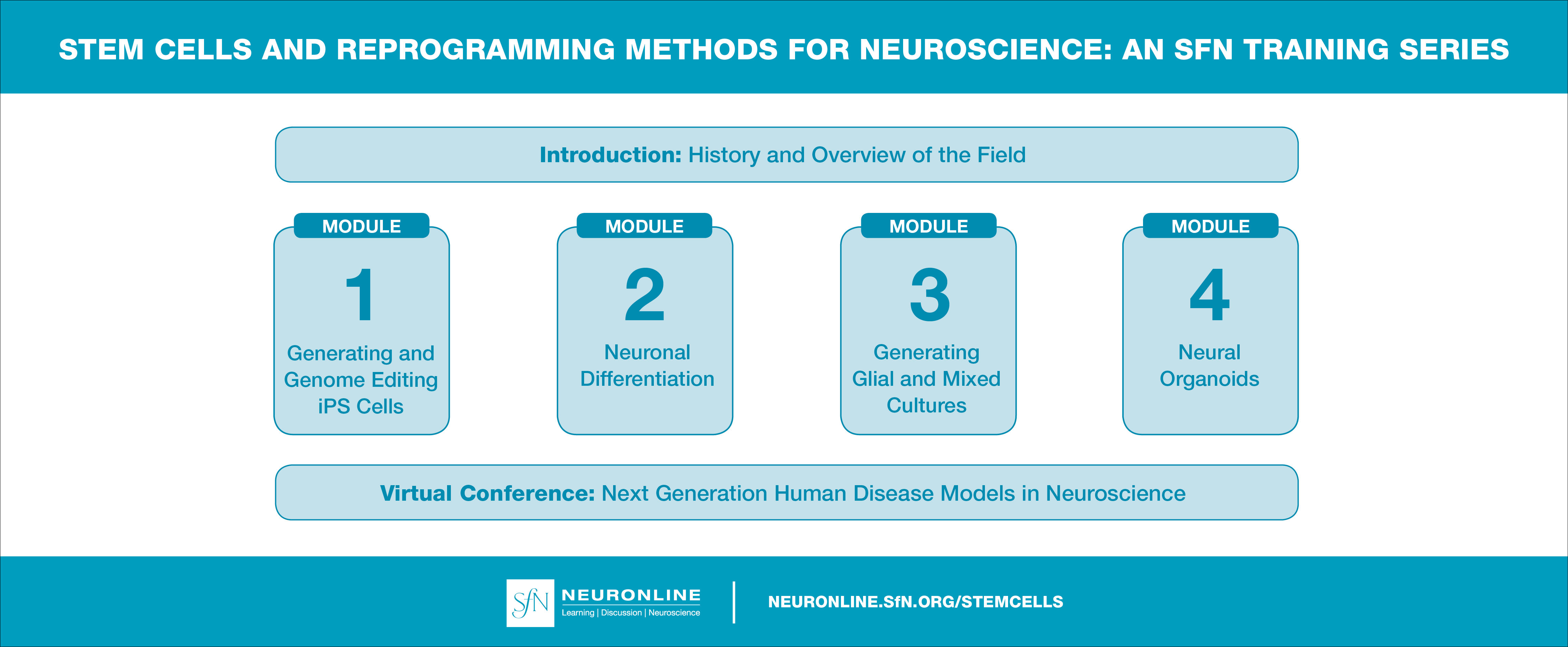 Training SeriesWelcome to SfN’s Training Series: Stem Cells and Reprogramming Methods for Neuroscience. These resources will help advance your understanding of how to generate neural subtypes using stem cells or other reprogramming tools to solve a question in neuroscience. Advances in stem cell biology and cellular reprogramming technology allow scientists to create research models that can improve their understanding of the structure and function of human brains and brain diseases. Stem cells and reprogramming technologies make it possible to generate two and three-dimensional tissues in culture dishes that are derived from human cells and composed of neural subtypes. These tissues capture the genetic diversity of the human population, share molecular and functional features with their in vivo counterparts, and can be used to study disease processes, to assess gene function, or to do investigative, exploratory biology research. Training Modules The series’ five training modules were organized in partnership with Marius Wernig (Stanford University), Kristin Baldwin (Scripps Research Institute), and Lorenz Studer (Memorial Sloan Kettering Cancer Center, and consist of short lectures and demonstration videos; curated sets of protocols, datasets, and other experimental resources; and recommended reading lists. The training modules provide: An introduction to and historical overview of the field of stem cell biology and reprogramming technologies; A foundational understanding of the biological concepts and methodologies for generating, characterizing, validating, maintaining, and assaying neurons, glia, mixed cultures, and neural organoids derived from stem cells; Information on key techniques, procedures, and trouble-shooting tips for generating and functionally screening neurons, glia, mixed cultures, and neural organoids derived from stem cells; and An understanding of the promise of stem cell models to model human conditions and disease phenotypes. The training modules are aimed at neuroscientists who: Are considering using human cell models in the future and want to learn more about the potential and current limitations of the field. May have started using stem cell biology and reprogramming methods and want to increase their familiarity with these technologies, with their applications, and how to best apply these methods. Virtual Conference The training modules complement a virtual conference, Next Generation Human Disease Models in Neuroscience, organized in partnership with Marius Wernig and Lorenz Studer. The conference showcases cutting-edge research from leading labs worldwide that are using human cell models to investigate new biological questions and broaden our understanding of human diseases ranging from neurodevelopment to neurodegeneration.
 -
View scientific training series, downloadable toolkits, annual meeting events by year, and more, created and curated by leaders in neuroscience and SfN partners from across the world.
-
Discover careers in and out of academia, considerations for basic, translational, and clinical research jobs, and advice for navigating career transitions. Find your next job opportunity through the NeuroJobs Career Center.
-
Develop skills to help you advance in your career through resources on science communication, collaborations, lab management, grants, mentoring, networking, work-life balance, and more, developed for scientists at all career stages.
-
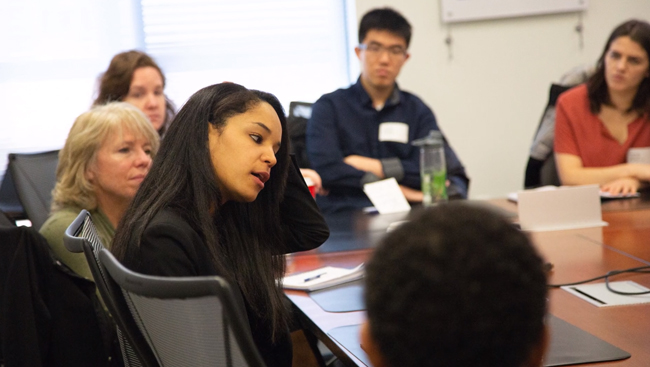 Video AdvocacyThe way Congress operates is complex, especially around the budget and appropriations processes. Understanding which aspects of the appropriations process affect federal science funding each year can help you know when your advocacy efforts will be most impactful to a Congressional office. This video will cover: • An overview of the basic budget and appropriations process. • How to time your advocacy efforts with that process for maximum impact. • Ways to partner with SfN on a variety of advocacy activities throughout the year.
 -
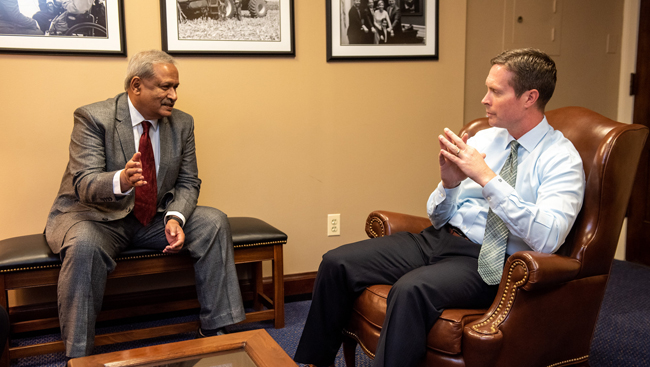 Video AdvocacyThere are certain activities you can do to advocate more efficiently. Using data, learn about the most effective ways to engage with your lawmakers. Whether you’re just stepping into advocacy or are an experienced advocate, there are many ways to get the attention of a Congressional office — even if you’re not in Washington, D.C. This video covers: • The variety of options available to communicate with Congressional offices. • Which means of communication are most impactful, according to Congressional staffers. • How to pick the platform you’re most comfortable with to engage your members of Congress.
 -
 Martin Graf is a postdoc in the lab of George Augustine and works on the characterization of claustral neurons. Ultimately, Graf hopes to understand how the different cell types within the claustrum affect the signal processing and output of the claustrum during higher-order brain functions.
 -
 Kelly Wong is a fourth-year neuroscience PhD student from Singapore interested in uncovering the mysterious function of the claustrum. Wong is currently untangling how the neurotransmitter serotonin modulates the claustrum mainly by using whole-cell patch clamp techniques.




