



Filter
-
(133)
-
(734)
-
(4)
-
(1)
-
(47852)
-
(92)
-
(25)
-
(14)
-
(435)
-
(7)
-
(185)
-
(8)
-
(33)
-
(17)
-
(7)
-
(10)
-
(9)
-
(5)
-
(21)
-
(8)
-
(12)
-
(9)
-
(3)
-
(10)
-
(10)
-
(56)
-
(45)
-
(12)
-
(3)
-
(7)
-
(6)
-
(5)
-
(8)
-
(7)
-
(11)
-
(58)
-
(13)
-
(31)
-
(8)
-
(5)
-
(10)
-
(5)
-
(16)
-
(4)
5601 - 5610
of 52787 results
-
In this first half of a two-part conversation, Karina Alviña, Cori Fain, and Eduardo Rosa‑Molinar reflect on mentoring as an evolving, deeply human relationship shaped by curiosity, generosity, and time.
-
Neuronline's vast collection of professional development and training resources offers guidance for people at all career stages with diverse interests and responsibilities.
-
 Poster CommunityWe're refreshing this content. Please return soon to see what's new. This training module will help you to: Learn to create a favorable work climate Support the career advancement of science faculty Recognize accomplishments in departments Establish the importance of a supportive and inclusive institution
 -
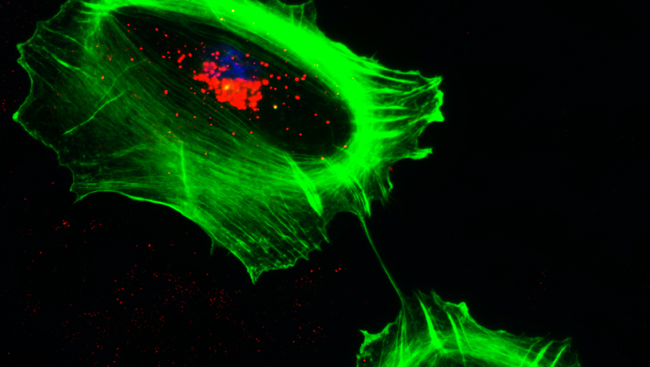 Poster Training Series TrainingLearn how to produce and characterize human neurons derived from induced pluripotent stem cells (IPSCs). After reviewing Module 2, participants at all career stages should be able to: - Describe techniques and methods used to define human neurons derived from human iPS cells. - Summarize the rationale of directed neuronal differentiation from human pluripotent stem cells. - Describe how to apply the use of small molecules/morphogens to generate major neuron types. - Introduce step-wise quality control criteria to assure the generation of the desired neuron type and troubleshoot the differentiations. - Explain the principles for direct lineage conversion. - Identify the key techniques used to directly generate human neurons from iPS cells by transiently expressing transcription factors. - Describe how to establish long-term culture for disease modeling.
 -
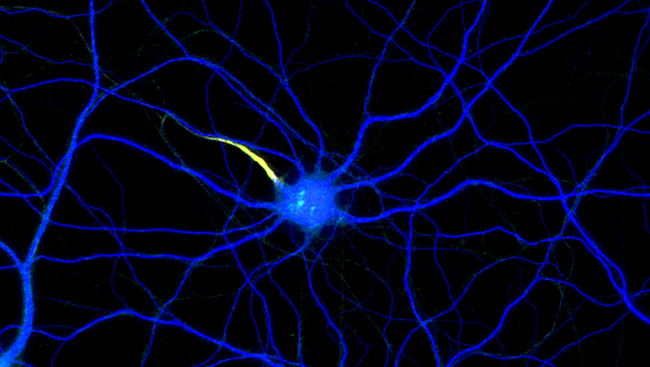 Training Series Poster TrainingLearn basic approaches for generating, reprogramming, and genetically screening induced pluripotent stem cell-derived (iPSC) neurons and glia. After reviewing Module 1, participants at all career stages should be able to: - Explain the basics of reprogramming. - Describe how to make a study design considering possible limitations and proper number of samples. - Summarize how to perform a reprogramming experiment. - Summarize how to validate and establish iPSC lines. - Outline genome editing techniques and how to proceed to design and perform an experiment. - Explain CRISPR-based approaches to probe gene function in iPSC-derived neurons and glia. - Describe different types of large-scale genetic screens in iPSC-derived neurons and glia.




