



Filter
-
(133)
-
(733)
-
(4)
-
(1)
-
(47833)
-
(91)
-
(25)
-
(14)
-
(433)
-
(7)
-
(182)
-
(8)
-
(33)
-
(17)
-
(7)
-
(9)
-
(9)
-
(5)
-
(21)
-
(8)
-
(12)
-
(9)
-
(3)
-
(10)
-
(10)
-
(56)
-
(45)
-
(12)
-
(3)
-
(7)
-
(6)
-
(5)
-
(8)
-
(7)
-
(11)
-
(58)
-
(13)
-
(30)
-
(8)
-
(5)
-
(10)
-
(5)
-
(15)
-
(4)
1541 - 1550
of 52756 results
-
 Journal ArticleEpilepsy, a neurological disorder characterized by recurrent unprovoked seizures, significantly impacts patient quality of life. Current classification methods focus primarily on clinical observations and electroencephalography (EEG) analysis, often overlooking the underlying dynamics driving seizures. This study uses surface EEG data to identify seizure transitions using a dynamical systems–based framework—the taxonomy of seizure dynamotypes—previously examined only in invasive data. We applied principal component and independent component analysis to surface EEG recordings from 1,177 seizures in 158 patients with focal epilepsy, decomposing the signals into independent components (ICs). The ICs were visually labeled for clear seizure transitions and bifurcation morphologies, which were then examined using Bayesian multilevel modeling in the context of clinical factors. Our analysis reveals that certain onset bifurcations (SNIC and SupH) are more prevalent during wakefulness compared to their reduced rat...Jan 2, 2025
 -
Journal ArticlePsychiatric disorders, including anxiety and depression, are highly comorbid in people with epilepsy. However, the mechanisms mediating the shared pathophysiology are currently unknown. There is considerable evidence implicating the basolateral amygdala (BLA) in the network communication of anxiety and fear, a process demonstrated to involve parvalbumin-positive (PV) interneurons. The loss of PV interneurons has been well described in the hippocampus of chronically epileptic mice and in postmortem human tissue of patients with temporal lobe epilepsy (TLE). We hypothesize that a loss of PV interneurons in the BLA may contribute to comorbid mood disorders in epilepsy. To test this hypothesis, we employed a ventral intrahippocampal kainic acid (vIHKA) model of temporal lobe epilepsy in mice, which exhibits profound behavioral deficits associated with chronic epilepsy. We demonstrate a loss of PV interneurons and dysfunction of remaining PV interneurons in the BLA of chronically epileptic mice. Further, we dem...Jan 2, 2025
-
 Article Professional DevelopmentAre you considering graduate school? Four neuroscience program faculty members explain the type of experience and considerations that may be beneficial before you apply.May 25, 2017
 -
 Article Scientific ResearchLiterature focused on scientific rigor is ever-growing. In addition to the resources found in the Promoting Awareness and Knowledge to Enhance Scientific Rigor in Neuroscience collection, the articles below can help you explore various issues, solutions, and approaches to implement high standards of scientific rigor in your research.May 25, 2017
 -
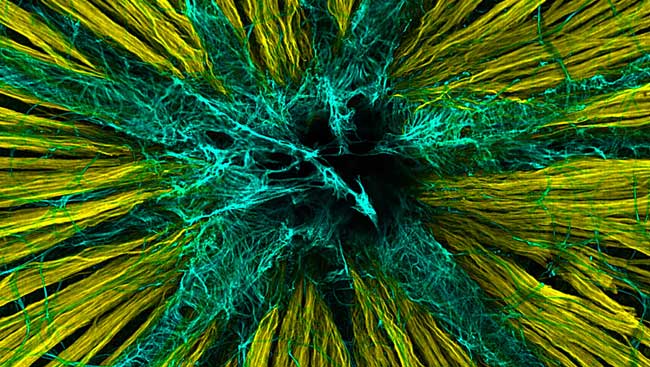 Article Scientific ResearchHow does the brain form new memories? Converging evidence shows that the key brain structures crucial for the formation of new memories are located in the medial temporal lobes (MTL).May 25, 2017
 -
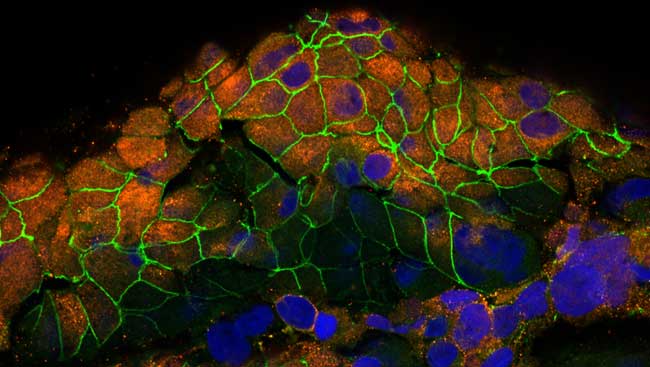 Article Professional DevelopmentHalfway through my second year in a neuroscience graduate program this winter, I encountered a new challenge in the lab.May 23, 2017
 -
 Article Scientific ResearchDo you have questions about how to thoughtfully respond to reviews you may not agree with, making recommendations to editors as a reviewer, and other topics related to the peer review process?May 23, 2017
 -
 Journal ArticleAlterations in white matter (WM) microstructure are commonly found in migraine patients. Here, we employ a longitudinal study of episodic migraine without aura using diffusion magnetic resonance imaging (dMRI) to investigate whether such WM microstructure alterations vary through the different phases of the pain cycle. Fourteen patients with episodic migraine without aura related with menstruation were scanned through four phases of their (spontaneous) migraine cycle (interictal, preictal, ictal, and postictal). Fifteen healthy controls were studied in the corresponding phases of the menstrual cycle. Multishell dMRI data were acquired and preprocessed to obtain maps of diffusion parameters reflecting WM microstructure. After a whole-brain analysis comparing patients with controls, a region-of-interest analysis was performed to determine whether the patients’ microstructural changes varied across the migraine cycle in specific WM tracts. Compared with controls, patients showed reduced axial diffusivity (AD)...Jan 1, 2025
 -
 Journal ArticleEpilepsy–aphasia syndrome (EAS) is a spectrum of childhood disorders that exhibit complex comorbidities that include epilepsy and the emergence of cognitive and language disorders. CNKSR2 is an X-linked gene in which mutations are linked to EAS. We previously demonstrated Cnksr2 knock-out (KO) mice model key phenotypes of EAS analogous to those present in clinical patients with mutations in the gene. Cnksr2 KO mice have increased seizures, impaired learning and memory, increased levels of anxiety, and loss of ultrasonic vocalizations (USVs). The intricate interplay between these diverse phenotypes at the brain regional and cell-type level remains unknown. Here, we leverage conditional deletion of the X-linked Cnksr2 in a neuronal cell-type manner in male mice to demonstrate that anxiety and impaired USVs track with its loss from excitatory neurons. Finally, we further narrow the essential role of Cnksr2 loss in USV deficits to excitatory neurons of the ACC, a region in mice recently implicated in USV produ...Jan 1, 2025
 -
Journal ArticleHydroxychloroquine (HCQ), a well-known antimalarial and anti-inflammatory drug, has demonstrated potential neuroprotective effects in ischemic stroke by inhibiting pyroptosis, a programmed cell death associated with inflammation. This study investigates the impact of HCQ on ischemic stroke pathology using both in vivo and in vitro models. In vivo, C57BL/6 mice subjected to middle cerebral artery occlusion (MCAO) were treated with HCQ. Neurological deficits, infarct volume, and the expression of pyroptosis markers were evaluated. The results demonstrated that HCQ significantly improved motor function and reduced infarct volume in the MCAO mouse model. In vitro, BV2 microglial cells exposed to lipopolysaccharide (LPS) and oxygen–glucose deprivation (OGD) were treated with HCQ. Western blot and immunofluorescence analyses revealed that HCQ effectively suppressed the expression of pyroptosis markers GSDMD and NLRP3 in both in vivo and in vitro models. These findings suggest that HCQ mitigates ischemic stroke d...Jan 1, 2025




