



Filter
-
(133)
-
(733)
-
(4)
-
(1)
-
(47833)
-
(91)
-
(25)
-
(14)
-
(433)
-
(7)
-
(182)
-
(8)
-
(33)
-
(17)
-
(7)
-
(9)
-
(9)
-
(5)
-
(21)
-
(8)
-
(12)
-
(9)
-
(3)
-
(10)
-
(10)
-
(56)
-
(45)
-
(12)
-
(3)
-
(7)
-
(6)
-
(5)
-
(8)
-
(7)
-
(11)
-
(58)
-
(13)
-
(30)
-
(8)
-
(5)
-
(10)
-
(5)
-
(15)
-
(4)
1991 - 2000
of 52756 results
-
 TrainingThe following Q&A with J. Patrick Card and Paul McGonigle is adapted from the webinar, “What’s in a Master’s? Different Programs for Different Needs.”Aug 26, 2015
 -
 Article Professional DevelopmentAs my time at NIH comes to a close, I find myself reflecting on my two years as a postbaccalaureate fellow, and I can’t help but feel that taking two years off before going back to school was the best decision I could have made. Here are four reasons — based on my experience — why undergraduates should also consider taking time off before going to graduate school.Aug 26, 2015
 -
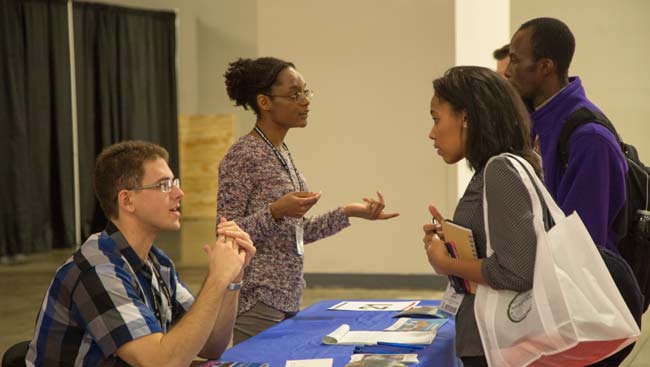 Article TrainingBeyond the usual GRE preparation, are there any specific tips or resources for students to help make them competitive for neuroscience graduate programs?Aug 25, 2015
 -
 Article Professional DevelopmentSo you’ve been paired with your mentor or protégé. Now what?Aug 25, 2015
 -
 Article Professional DevelopmentLet your Individual Development Plan (IDP) be a road map to the future you envision.Aug 25, 2015
 -
 Article Professional DevelopmentGraduate education is continually evolving. Content and practices have changed over the decades, and so have the students. The combination of women, students from historically underrepresented groups, international students, LGBT students, students with disabilities, and students with children constitutes the majority of graduate students in the United States. The diversity of individuals in graduate education means what is worth preserving and transmitting and what is rooted in assumptions about homogeneity and should be adapted or discarded needs to be examined.Aug 17, 2015
 -
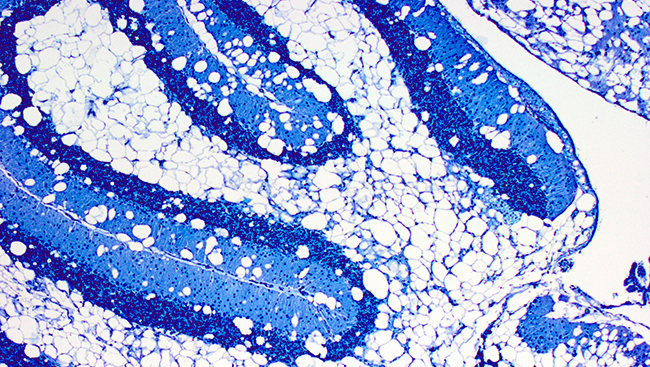 Video Career PathsSeth Ogden, a patent attorney with a PhD in cancer biology, describes how he uses skills developed in the research lab in his career. This video is a part of Vanderbilt University’s Beyond the Lab video series, which shows how biomedical PhDs can be used in a variety of career paths.Aug 14, 2015
 -
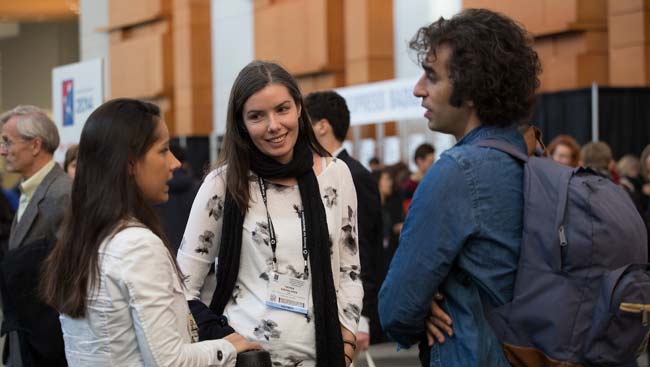 Article DiversityIn an SfN webinar, Sheena Josselyn discusses balancing family life and demanding research.Aug 12, 2015
 -
 TrainingAs the knowledge base in neuroscience continues to expand, educators need timely resources to engage their students.Aug 12, 2015
 -
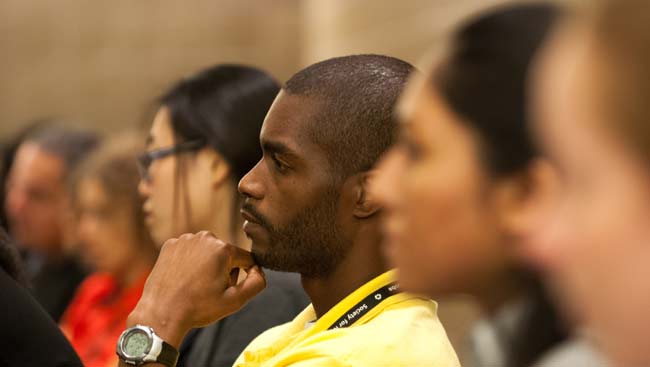 Article Professional DevelopmentIn The Hitchhiker’s Guide to a Neuroscience Career, published in Neuron in May 2015, Marian Joëls and the other authors applaud the worldwide excitement around neuroscience and the number of people entering the field. To help neuroscientists advance in the face of increased competition, the authors present the “critical success indicators for a career in academic neuroscience,” including mobility, networking, building a CV and seeking advice, and outreach. Here, Marian Joëls further explores these topics.Aug 5, 2015




