



Filter
-
(133)
-
(733)
-
(4)
-
(1)
-
(47833)
-
(91)
-
(25)
-
(14)
-
(433)
-
(7)
-
(182)
-
(8)
-
(33)
-
(17)
-
(7)
-
(9)
-
(9)
-
(5)
-
(21)
-
(8)
-
(12)
-
(9)
-
(3)
-
(10)
-
(10)
-
(56)
-
(45)
-
(12)
-
(3)
-
(7)
-
(6)
-
(5)
-
(8)
-
(7)
-
(11)
-
(58)
-
(13)
-
(30)
-
(8)
-
(5)
-
(10)
-
(5)
-
(15)
-
(4)
1981 - 1990
of 52756 results
-
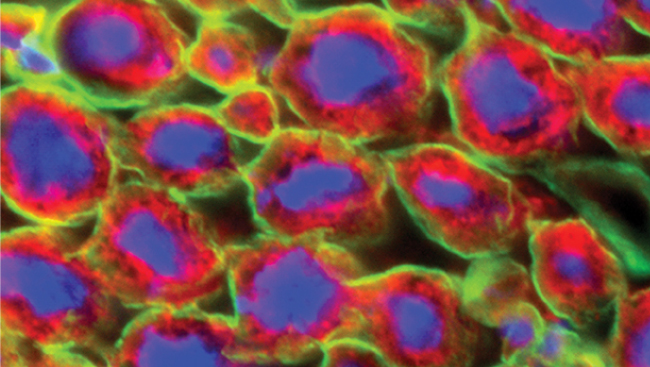 Podcast Scientific ResearchHow has the understanding of the mysterious tissue between our ears changed in the past 50 years? In her Totally Cerebral episodes on Transistor, neuroscientist Wendy Suzuki introduces the scientists who have uncovered some of the deepest secrets about how our brains make us who we are. Suzuki begins by talking with groundbreaking experimental psychologist Brenda Milner who, in the 1950s, completely changed our understanding of the parts of the brain important for forming new long-term memories. Through her observation and careful study of patients with profound amnesia, Milner wrote a paper in 1957 that broke with the accepted theories about memory, and blew open the entire field of neuroscience.Sep 10, 2015
 -
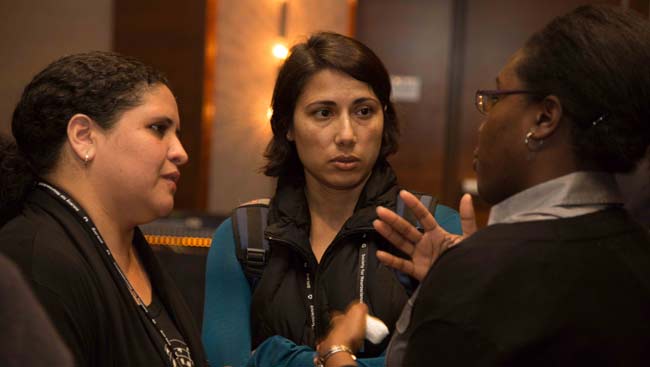 Article CommunityNeuroscience departments and programs and SfN chapters that are working to increase awareness of the issues facing women in academia, and implement effective strategies to improve hiring practices have a new tool: the Increasing Women in Neuroscience (IWiN) presentation, Candidate Recruitment and Evaluation, created by SfN’s Professional Development Committee.Sep 9, 2015
 -
 Article Professional DevelopmentEverywhere you go, you continuously build your personal and professional network. In fact, one conversation today could become a career connection down the road. Build trusting, intentional relationships in your day-to-day interactions in order to advance your career now and in the future.Sep 8, 2015
 -
Article Professional DevelopmentEverywhere you go, you continuously build your personal and professional network. In fact, one conversation today could become a career connection down the road. Build trusting, intentional relationships in your day-to-day interactions in order to advance your career now and in the future.Sep 8, 2015
-
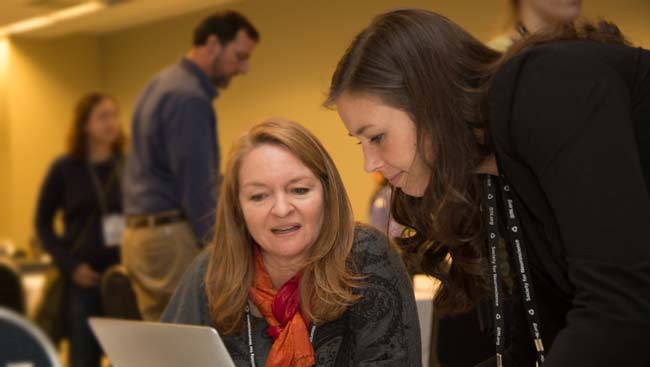 Article Scientific ResearchNow that you’re done peer reviewing a manuscript, how can you best communicate your assessment? Follow these guidelines to give concise, constructive feedback to the editors and authors you’re working with.Sep 2, 2015
 -
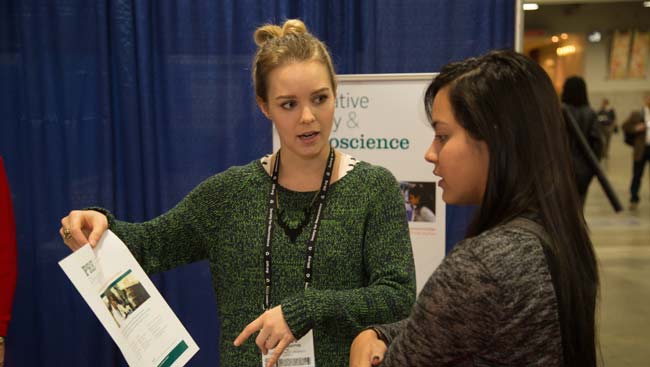 Article OutreachWe all know it can be difficult to communicate seemingly obscure scientific information and techniques with nonscientists. The good news is that, like so many skills, you can learn to do so with practice.Sep 2, 2015
 -
 Article Career PathsAre you constantly thinking about science with the big picture in mind? Do you thrive in a high-energy environment? Are you committed to staying current with the latest research? Becoming involved in policy and advocacy work is a powerful way to use your scientific expertise to influence change.Sep 2, 2015
 -
 Webinar AdvocacyIt is important for scientists worldwide to advocate for increased science funding. Depending on the cultural context, however, your outreach approach — including how and when you communicate with policymakers — and whether advocacy is even a possibility — will differ. In this webinar, speakers from the Federation of European Neuroscience Societies, the International Brain Research Organization, and SfN's Government and Public Affairs Committee will discuss why their advocacy efforts were successful and what you can do to promote science research in your local community.Sep 1, 2015
 -
 Video Career PathsMary Kosinski, the clinical director at Nusirt Biopharma Inc., describes how she uses skills developed in the research lab in her career.Aug 28, 2015
 -
 Article Professional DevelopmentRead these common questions and answers to know the important details and processes necessary to manage your NIH award.Aug 26, 2015




