



Filter
-
(133)
-
(733)
-
(4)
-
(1)
-
(47832)
-
(91)
-
(25)
-
(14)
-
(433)
-
(7)
-
(181)
-
(8)
-
(33)
-
(17)
-
(7)
-
(9)
-
(9)
-
(5)
-
(21)
-
(8)
-
(12)
-
(9)
-
(3)
-
(10)
-
(10)
-
(56)
-
(45)
-
(12)
-
(3)
-
(7)
-
(6)
-
(5)
-
(8)
-
(7)
-
(11)
-
(58)
-
(13)
-
(30)
-
(8)
-
(5)
-
(10)
-
(5)
-
(14)
-
(4)
1301 - 1310
of 52753 results
-
 Journal ArticleEarly psychosis (EP) is a critical period for psychotic disorders during which the brain undergoes rapid and significant functional and structural changes(Shinn et al., 2017). The Human Connectome Project (HCP) is a global effort to map the human brain's connectivity in health and disease. Here we focus on HCP-EP subjects (i.e., those within five years of the initial psychotic episode) to determine macro- and micro-structural alterations in EP (HCP-EP sample, n=179: EP, n=123, Controls, n=56) and their association with clinical outcomes (i.e., symptoms severity) in HCP-EP. We carried out analyses of Deformation-Based-Morphometry (DBM), scalar indices from the Diffusion Tensor Imaging (DTI), and Tract-Based Spatial Statistics (TBSS). Lastly, we conducted correlation analyses focused on the midbrain (DBM and DTI) to examine associations between its structure and clinical symptoms. Our results show that the midbrain displays robust alteration in its structure (DBM and DTI) in the voxel-based analysis. Complim...Mar 3, 2025
 -
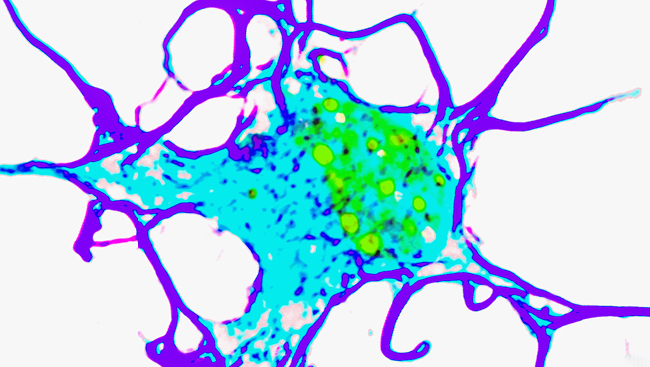 Article Scientific ResearchOrganelles are specialized subcellular structures that serve specific functions in all eukaryotic cells.May 23, 2018
 -
 Annual Meeting Video OutreachNeuroscience research regularly intersects with concepts of human nature, identity, free will, and other philosophical and religious topics. This Neuroscience 2017 Social Issues Roundtable explores paradigms for constructive engagement with diverse and religious audiences. Panelists examine tensions and domains of confluence between scientific and faith perspectives, the underlying values and assumptions in scientific research, and the role of cross-cultural dialogue on science education, practice and policy.May 22, 2018
 -
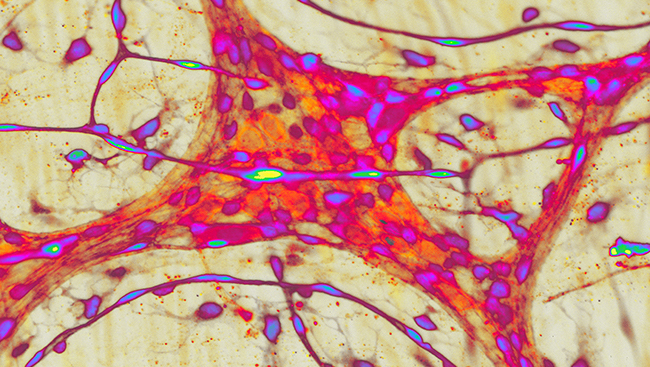 Article Scientific ResearchMaterial below summarizes the article, Working Memory Replay Prioritizes Weakly Attended Events, published on August 14, 2017, in eNeuro and authored by Anna Jafarpour, Will Penny, Gareth Barnes, Robert T. Knight, and Emrah Duzel. Working memory is a system with limited capacity that supports keeping information in mind for a short duration. Two important questions are: One, what are the mechanisms by which information is retained during the gap between encoding and recall (that is, the maintenance period), and two, how is information within working memory prioritized? These are often studied with a cuing procedure in which subjects are prompted to focus on one item. For example, if an event in a sequence of three events is cued, the cued event can be decoded during maintenance. In this study, we investigated how the information about a sequence of multiple events is retained without cueing.May 17, 2018
 -
 Journal ArticleDelayed motor development is an early clinical sign of fetal alcohol spectrum disorders. However, changes at the neural circuit level that underlie early motor differences are underexplored. The striatum, the principal input nucleus of the basal ganglia, plays an important role in motor learning in adult animals, and the maturation of the striatal circuit has been associated with the development of early motor behaviors. Here, we briefly exposed pregnant C57BL/6 dams to ethanol (5% w/w) in a liquid diet on embryonic days 13.5–16.5 and assessed the mouse progeny using a series of nine brief motor behavior tasks on postnatal days 2–14. Live brain slices were then obtained from behaviorally tested mice for whole-cell voltage- and current-clamp electrophysiology to assess GABAergic/glutamatergic synaptic activity and passive/active properties in two populations of striatal neurons: GABAergic interneurons and spiny striatal projection neurons. Electrophysiologically recorded spiny striatal projection neurons we...Mar 1, 2025
 -
 Journal ArticleZebrafish have gained prominence as a model organism in neuroscience over the past several decades, generating key insight into the development and functioning of the vertebrate brain. However, techniques for whole-brain mapping in adult stage zebrafish are lacking. Here, we describe a pipeline built using open-source tools for whole-brain activity mapping in adult zebrafish. Our pipeline combines advances in histology, microscopy, and machine learning to capture c-fos activity across the entirety of the brain. Following tissue clearing, whole-brain images are captured using light-sheet microscopy and registered to the recently created adult zebrafish brain atlas (AZBA) for automated segmentation. By way of example, we used our pipeline to measure brain activity after zebrafish were subject to the novel tank test, one of the most widely used behaviors in adult zebrafish. c-fos levels peaked 15 min following behavior and several regions, including those containing serotoninergic and dopaminergic neurons, we...Mar 1, 2025
 -
 Journal ArticleAnterior–posterior interactions in the alpha band (8–12 Hz) have been implicated in various functions including perception, attention, and working memory. The underlying neural communication can be flexibly controlled by adjusting phase relations when activities across anterior–posterior regions oscillate at a matched frequency. We thus investigated how alpha oscillation frequencies spontaneously converged along anterior–posterior regions by tracking oscillatory EEG activity while participants rested. As more anterior–posterior regions (scalp sites) frequency-converged, the probability of additional regions joining the frequency convergence increased, and so did oscillatory synchronization (i.e., oscillatory power) at participating regions, suggesting that anterior–posterior frequency convergences are driven by inter-regional entrainment. Notably, frequency convergences were accompanied by two types of approximately linear phase gradients, one progressively phase lagged in the anterior direction, the poste...Mar 1, 2025
 -
 Journal ArticleAniracetam Ameliorates Attention Deficit Hyperactivity Disorder Behavior in Adolescent Mice | eNeuroAttention-deficit/hyperactivity disorder (ADHD) is a neurodevelopmental disorder that affects 8–12% of children globally. Hyperactivity-related behaviors, as well as inattention and impulsivity, are regarded as the nuclear symptoms of ADHD. At present, its etiologies and risk factors are unknown. Previous research linked TARP γ-8 deficiency to ADHD-like behaviors in mice, including hyperactivity, impulsivity, and memory deficits. Aniracetam, a nootropic drug, enhances cognition by modulating cholinergic activity and glutamate receptors, offering neuroprotective effects. This study examined TARP γ-8 knockout (KO) mice at 4 and 8 weeks, assessing behaviors through locomotor activity, cliff avoidance, novel object recognition, and contextual fear conditioning tests. TARP γ-8 KO mice exhibited hyperactivity, reduced recognition memory, and impaired short-term memory and long-term memory. Aniracetam administration improved these behavioral deficits, suggesting its potential as a therapeutic agent for ADHD. The ...Mar 1, 2025
 -
Journal ArticleNeurons adapt to chronic activity changes by modifying synaptic properties, including neurotransmitter release. However, whether neuropeptide release via dense core vesicles (DCVs)—a distinct regulated secretory pathway—undergoes similar adaptation remains unclear. Here, we demonstrate that 24 h action potential blockade leads to significant DCV accumulation in primary mouse cortical neurons of both sexes. Reactivation with action potential trains induced enhanced Ca2+ influx and 700% more DCV exocytosis compared with control neurons. Notably, total DCV cargo protein levels were unchanged, while mRNA levels of corresponding genes were reduced. Blocking neurotransmitter release with Tetanus toxin induced DCV accumulation, similar to that induced by network silencing with TTX. Hence, chronic network silencing triggers increased DCV accumulation due to reduced exocytosis during silencing. These accumulated DCVs can be released upon reactivation resulting in a massive potentiation of DCV exocytosis, possibly c...Mar 1, 2025
-
 Journal ArticleCutaneomuscular reflexes (CMRs) can be recorded in the hand muscle of human subjects after stimulation of a digital nerve. We hypothesized that repeated synchronous stimulation of nerves from two digits may lead to long-term plastic changes in CMR, by the mechanisms of spike-timing–dependent plasticity (STDP). To test this idea, we conducted experiments in 27 healthy human volunteers. After baseline measurement of CMR, one of four 30-min-long stimulation conditions were tested; the CMR was then remeasured. The four conditions were simultaneous index finger and thumb stimulation; asynchronous index finger and thumb stimulation; thumb 5 ms before index finger stimulation; and thumb-only stimulation. Neither the early (E1) nor late excitatory (E2) components of the CMR showed consistent changes after any stimulation condition. The inhibitory (I1) component was slightly reduced in all cases. To understand why paired stimulation did not produce long-term changes, we conducted a further experiment. In this, we m...Mar 1, 2025




