



Filter
-
(133)
-
(734)
-
(4)
-
(1)
-
(47852)
-
(92)
-
(25)
-
(14)
-
(435)
-
(7)
-
(185)
-
(8)
-
(33)
-
(17)
-
(7)
-
(10)
-
(9)
-
(5)
-
(21)
-
(8)
-
(12)
-
(9)
-
(3)
-
(10)
-
(10)
-
(56)
-
(45)
-
(12)
-
(3)
-
(7)
-
(6)
-
(5)
-
(8)
-
(7)
-
(11)
-
(58)
-
(13)
-
(31)
-
(8)
-
(5)
-
(10)
-
(5)
-
(16)
-
(4)
6541 - 6550
of 52787 results
-
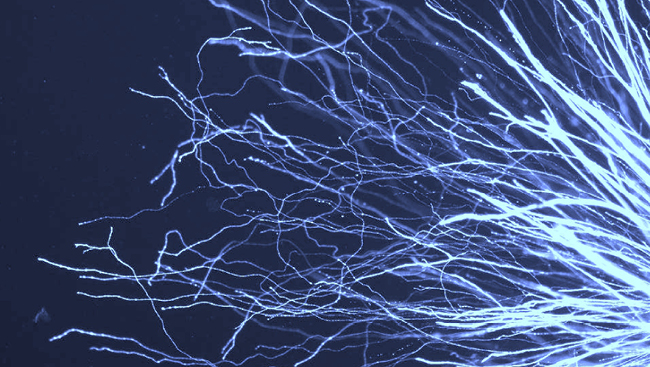 Article Scientific ResearchThe ability of an individual to fully function — to think, feel, plan, and act — depends on the synaptic connections formed between neurons in the brain. The process through which synaptic connections change with experience is referred to as synaptic plasticity. Defective synaptic plasticity has been implicated in various neurological diseases, so a major effort in neuroscience research is to study molecular and cellular mechanisms underlying synaptic plasticity. Most current research focuses on Hebbian plasticity, a form of synaptic plasticity believed to directly underlie our ability to learn and form memories. Coordinated activity between pre-synaptic and post-synaptic neurons drives strengthening of the connection, while out-of-sync activity leads to weakening of the connection. However, the self-reinforcing nature of Hebbian plasticity, without any corrective mechanisms, leads to imbalanced synaptic activity and network instability. For example, LTP leads to synaptic strengthening and more correlated pre- and post-synaptic activity, which could facilitate additional LTP and promotes runaway plasticity.




