



Filter
-
(133)
-
(733)
-
(4)
-
(1)
-
(47832)
-
(91)
-
(25)
-
(14)
-
(433)
-
(7)
-
(181)
-
(8)
-
(33)
-
(17)
-
(7)
-
(9)
-
(9)
-
(5)
-
(21)
-
(8)
-
(12)
-
(9)
-
(3)
-
(10)
-
(10)
-
(56)
-
(45)
-
(12)
-
(3)
-
(7)
-
(6)
-
(5)
-
(8)
-
(7)
-
(11)
-
(58)
-
(13)
-
(30)
-
(8)
-
(5)
-
(10)
-
(5)
-
(14)
-
(4)
2011 - 2020
of 52753 results
-
 Article Professional DevelopmentBuilding an effective resume or CV is crucial in landing your ideal job. Knowing what to include and how to include it is the first step to a successful job hunt.Jul 8, 2015
 -
 Webinar DiversityLearn how implicit bias, often subtle and based on cultural stereotypes, influences the recruitment, promotion, and retention of women and diverse faculty in higher education — and what you can do to change this.Jul 2, 2015
 -
 Article Professional DevelopmentKenneth Maynard is a global program leader, central nervous system, at Takeda Pharmaceuticals. In a recent interview, he discussed a variety of topics, including his own career path and how others can work in the pharmaceutical industry.Jul 1, 2015
 -
 Article TrainingAs the knowledge base in neuroscience continues to expand, educators need timely resources to engage their students. Educational Resources in Neuroscience (ERIN), a web portal developed by the Society for Neuroscience (SfN) with funding from the National Science Foundation (NSF), is an invaluable tool to help undergraduate, graduate, and clinical education professors find state-of-the art resources.Jul 1, 2015
 -
 Article Professional DevelopmentYour science affects society. So how can you get the public to understand and interact with the most important parts of your research? Through lay writing, or writing for a science-interested public, which makes the research you care about accessible.Jul 1, 2015
 -
 Article Scientific ResearchConducting quality peer reviews are important — for the authors, journals, and scientific research. Here’s what you should know about how to approach your peer review responsibilities.Jun 29, 2015
 -
 Journal ArticleThere is experimental evidence of varying correlation among the elements of the neuromuscular system over the course of the reach-and-grasp task. Several neuromuscular disorders are accompanied by anomalies in muscular coupling during the task. The aim of this study was to investigate if modifications in correlations and clustering can be detected in the Local Field Potential (LFP) recordings of the motor cortex during the task. To this end, we analyzed the LFP recordings from a previously published study on monkeys which performed a reach-and-grasp task for targets with a vertical or horizontal orientation. LFP signals were recorded from the motor and premotor cortex of macaque monkeys as they performed the task. We found very robust changes in the correlations of the multielectrode LFP recordings which corresponded to task epochs. Mean LFP correlation increased significantly during reaching and then decreased during grasp. This pattern was very robust for both left and right arm reaches irrespective of t...Sep 17, 2024
 -
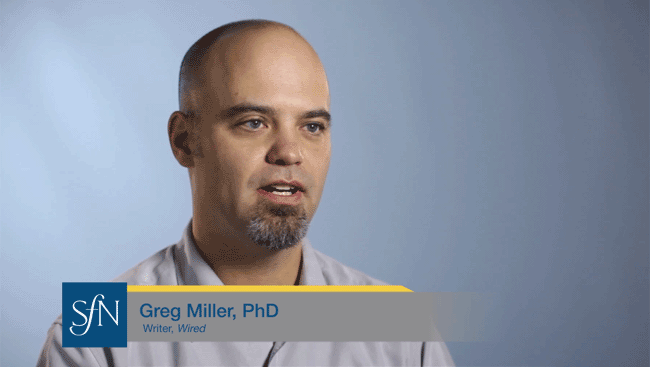 Video Career PathsA career in science writing allows you to explore the newest and most exciting discoveries in neuroscience and use your passion for writing to explain them to the world. Greg Miller discusses how his jobs at Science and Wired Magazine led to amazing opportunities to travel around the world and meet fascinating people from every walk of life.Jun 26, 2015
 -
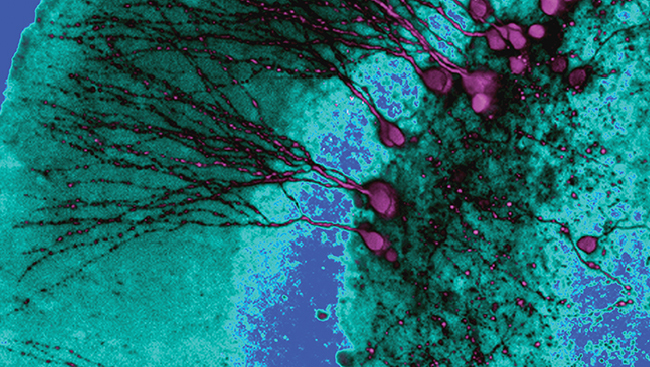 Article Professional DevelopmentAre you applying for an NIH grant? Follow these steps to help you prepare your application.Jun 26, 2015
 -
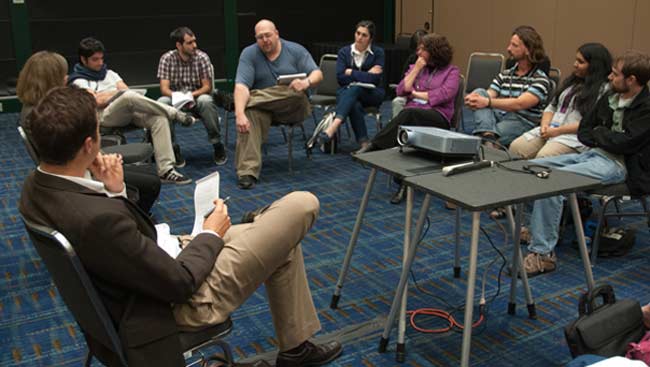 Article TrainingJournal clubs are a great way to foster scientific discussions outside of a formal classroom or lab setting. They give graduate students space to develop critical thinking, reading, and writing skills.Jun 24, 2015




