



Filter
-
(133)
-
(733)
-
(4)
-
(1)
-
(47832)
-
(91)
-
(25)
-
(14)
-
(433)
-
(7)
-
(181)
-
(8)
-
(33)
-
(17)
-
(7)
-
(9)
-
(9)
-
(5)
-
(21)
-
(8)
-
(12)
-
(9)
-
(3)
-
(10)
-
(10)
-
(56)
-
(45)
-
(12)
-
(3)
-
(7)
-
(6)
-
(5)
-
(8)
-
(7)
-
(11)
-
(58)
-
(13)
-
(30)
-
(8)
-
(5)
-
(10)
-
(5)
-
(14)
-
(4)
1921 - 1930
of 52753 results
-
 Article Professional DevelopmentIf you clearly establish the terms of a mentoring relationship at the outset of your graduate program, there will hopefully be few problems between you and your mentor. However, sometimes situations arise that hinder the timely completion of degree work, such as the birth of a child or a family crisis.Oct 27, 2015
 -
 Article TrainingAs the knowledge base in neuroscience continues to expand, educators need timely resources to engage their students. Educational Resources in Neuroscience (ERIN), a web portal developed by the Society for Neuroscience (SfN) with funding from the National Science Foundation (NSF), is an invaluable tool to help undergraduate, graduate, and clinical education professors find state-of-the art resources. The database has a wealth of materials — all reviewed by experts in the field. Resources include videos, interactive quizzes, and simulators, which you can search by topic, type of resource, and educational level.Oct 27, 2015
 -
 Podcast Scientific ResearchImagine that every time you met someone new, the moment they left the room you forgot you had ever spoken to them, and when they returned it was as if you had never seen them before. Imagine remembering your childhood, your parents, the history you learned in school, but never being able to form a new long term memory after the age of 27.Oct 27, 2015
 -
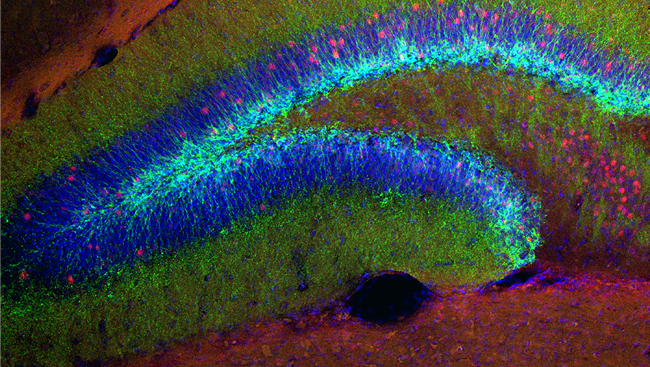 Article Scientific ResearchRelapse is one of the signature hallmarks of cocaine addiction, as the majority of addicts experience relapse at some point on their path to recovery. Unfortunately, current treatments have been lacking, highlighting the need for better understanding of the neurobiology of addiction toward the development of more effective therapies.Oct 21, 2015
 -
 Article DiversityAs I reflect on the career I’ve had so far, one of the things most important to me is that I’ve enjoyed what I’m doing. It has been a privilege to work in science and be able to ask questions for which you can’t imagine the answers. Along the way, I’ve found a key ingredient to a great career is surrounding yourself with positive people. Whether it’s family, colleagues, students, mentors, or sponsors, putting yourself in the right environment among supportive people can help you advance.Oct 19, 2015
 -
 Video Career PathsMeghana Rao, PhD, Consultant, Campbell Alliance, describes how she uses skills developed in the research lab in her career.Oct 19, 2015
 -
 Article Professional DevelopmentAll postdoctoral experiences are unique. Still, I hope that my personal account of doing a postdoctoral position in the United States has some useful takeaways for others. Here’s what I think you should know.Oct 19, 2015
 -
 Article Professional DevelopmentWendy Suzuki began her neuroscience career studying the hippocampus — specifically how patterns of electrical activity in the hippocampus allow us to form new long-term memories. Twenty years into her career, Suzuki switched her research focus to examine how exercise affects brain function, and how much and what kinds of exercise people need. Read this interview to learn about Suzuki’s journey and how your personal passions and curiosities factor into your career.Oct 14, 2015
 -
 Article Annual Meeting Professional DevelopmentDon't be daunted by the size of SfN’s annual meeting: reframe your thinking. More than 30,000 attendees means more than 30,000 opportunities to make connections. Maximize your interactions with these strategies.Oct 12, 2015
 -
 Article Scientific ResearchHuntington’s disease (HD) is an inheritable neurological disorder caused by a triplet repeat (CAG) expansion in the huntingtin (HTT) gene located in the short arm of chromosome four. Symptoms include uncontrollable dance-like movements (chorea), cognitive deficits, and psychiatric disturbances. Some of the early, or prodromic, symptoms include an inability to shift attention and other behavioral inflexibilities.Oct 8, 2015




