



Filter
-
(133)
-
(733)
-
(4)
-
(1)
-
(47832)
-
(91)
-
(25)
-
(14)
-
(433)
-
(7)
-
(181)
-
(8)
-
(33)
-
(17)
-
(7)
-
(9)
-
(9)
-
(5)
-
(21)
-
(8)
-
(12)
-
(9)
-
(3)
-
(10)
-
(10)
-
(56)
-
(45)
-
(12)
-
(3)
-
(7)
-
(6)
-
(5)
-
(8)
-
(7)
-
(11)
-
(58)
-
(13)
-
(30)
-
(8)
-
(5)
-
(10)
-
(5)
-
(14)
-
(4)
1911 - 1920
of 52753 results
-
 Journal ArticleHere we test the Stochastic Dynamic Operator (SDO) as a new framework for describing physiological signal dynamics relative to spiking or stimulus events. The SDO is a natural extension of existing spike-triggered average (STA) or stimulus-triggered average techniques currently used in neural analysis. It extends the classic STA to cover state-dependent and probabilistic responses where STA may fail. In simulated data, SDO methods were more sensitive and specific than the STA for identifying state-dependent relationships. We have tested SDO analysis for interactions between electrophysiological recordings of spinal interneurons, single motor units, and aggregate muscle electromyograms (EMG) of major muscles in the spinal frog hindlimb. When predicting target signal behavior relative to spiking events, the SDO framework outperformed or matched classical spike-triggered averaging methods. SDO analysis permits more complicated spike-signal relationships to be captured, analyzed, and interpreted visually and i...Oct 7, 2024
 -
Journal ArticleTemporal lobe epilepsy (TLE) is the most common focal epilepsy in adults, and people with TLE exhibit higher rates of reproductive endocrine dysfunction. Hypothalamic gonadotropin-releasing hormone (GnRH) neurons regulate reproductive function in mammals by regulating gonadotropin secretion from the anterior pituitary. Previous research demonstrated GnRH neuron hyperexcitability in both sexes in the intrahippocampal kainic acid (IHKA) mouse model of TLE. Fast-inactivating A-type (IA) and delayed rectifier K-type (IK) K+ currents play critical roles in modulating neuronal excitability, including in GnRH neurons. Here, we tested the hypothesis that GnRH neuron hyperexcitability is associated with reduced IA and IK conductances. At two months after IHKA or control saline injection, when IHKA mice exhibit chronic epilepsy, we recorded GnRH neuron excitability, IA, and IK using whole-cell patch-clamp electrophysiology. GnRH neurons from both IHKA male and diestrous female GnRH-GFP mice exhibited hyperexcitabili...Oct 7, 2024
-
Journal ArticleEstrogens act through nuclear and membrane-initiated signaling. Estrogen receptor alpha (ERα) is critical for reproduction, but the relative contribution of its nuclear and membrane signaling to the central regulation of reproduction is unclear. To address this question, two complementary approaches were used: estetrol (E4) a natural estrogen acting as an agonist of nuclear ERs but as an antagonist of their membrane fraction and the C451A-ERα mouse lacking mERα. E4 dose-dependently blocks ovulation in female rats, but the central mechanism underlying this effect is unknown. To determine whether E4 acts centrally to control ovulation, its effect was tested on the positive feedback of estradiol (E2) on neural circuits underlying LH secretion. In ovariectomized females chronically exposed to a low dose of E2, estradiol benzoate (EB) alone or combined with progesterone (P) induced an increase in the number of kisspeptin (Kp) and gonadotropin-releasing hormone (GnRH) neurons co-expressing Fos, as a marker of ne...Oct 7, 2024
-
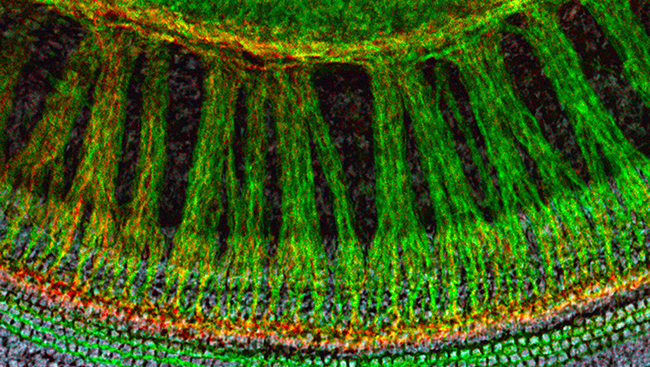 Video Career PathsKathleen Goss, senior science writer and director of strategic partnerships for the University of Chicago Medicine Comprehensive Cancer Center, describes how she uses skills developed in the research lab in her career.Nov 13, 2015
 -
 Article DiversityThe following Q&A with Susan Amara and Sheena Josselyn is adapted from the webinar, In First Person: Tips to Survive and Excel as a Woman in Neuroscience, hosted by SfN’s Women in Neuroscience Subcommittee (WINS).Nov 10, 2015
 -
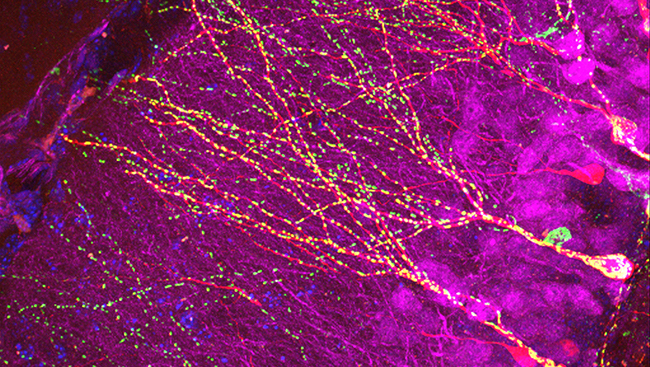 Article Scientific ResearchThe primary component of tobacco driving addiction is nicotine. Nicotine exerts its effects through a class of membrane proteins throughout the brain and body called nicotinic acetylcholine receptors (nAChRs). These receptors are normally activated by the neurotransmitter acetylcholine, but are hijacked by the nicotine in tobacco.Nov 5, 2015
 -
 Article Career PathsAre you interested in a career in science policy? Whether you are just beginning to explore your options or looking for ways to enhance your resume in anticipation of your job search, here are six tips for preparing for a science policy career.Nov 3, 2015
 -
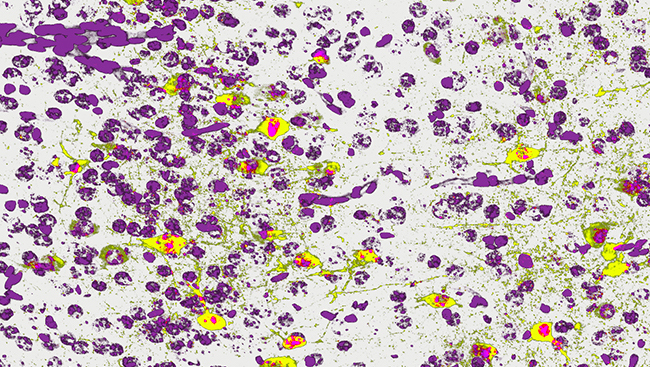 Video Career PathsAbby Cheng, volunteer program manager of the Science Club for Girls, describes how she uses skills developed in the research lab in her career.Oct 29, 2015
 -
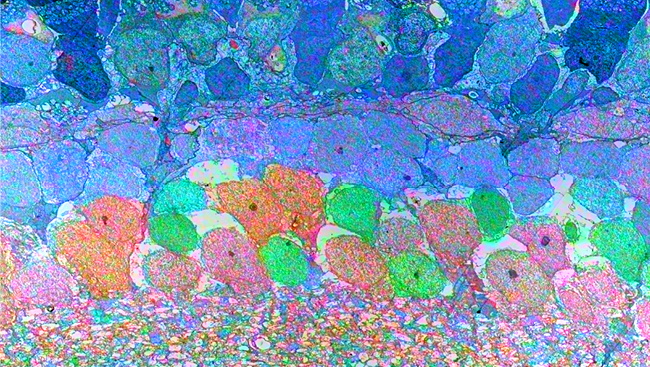 Article Scientific ResearchMany brain disorders vary between the sexes, in their incidence, symptoms, and/or responses to treatment. In most cases, no one knows the sources of these differences: Are they due to intrinsic biological differences between male and female brains? Are they due to cultural differences in how boys and girls are raised – the different experiences of men and women in society?Oct 29, 2015
 -
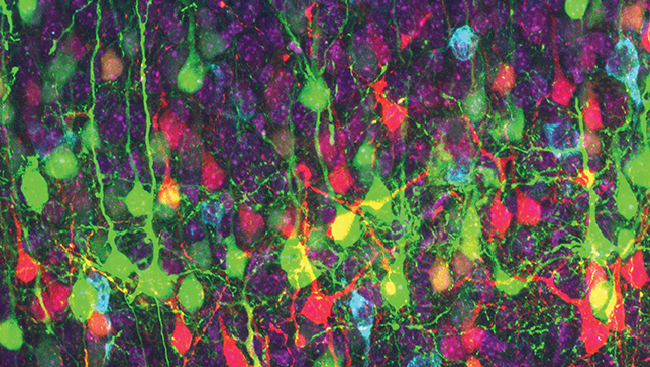 Video Annual Meeting OutreachDespite many challenges, the last decade has seen tremendous progress in neuroscience. To support continued progress, the National Institutes of Health (NIH) has taken a lead role in implementing the President's Brain Research through Advancing Innovative Neurotechnologies (BRAIN) Initiative. Francis Collins, the NIH director, discusses how his agency, working with the neuroscience community, is catalyzing development of technologies to provide dynamic pictures of the brain, both in disease and in health. Collins also examines challenges that cut across biomedical disciplines, and reflect upon opportunities for neuroscientists to face such challenges and generate tomorrow's advances.Oct 29, 2015




