



Filter
-
(133)
-
(733)
-
(4)
-
(1)
-
(47832)
-
(91)
-
(25)
-
(14)
-
(433)
-
(7)
-
(181)
-
(8)
-
(33)
-
(17)
-
(7)
-
(9)
-
(9)
-
(5)
-
(21)
-
(8)
-
(12)
-
(9)
-
(3)
-
(10)
-
(10)
-
(56)
-
(45)
-
(12)
-
(3)
-
(7)
-
(6)
-
(5)
-
(8)
-
(7)
-
(11)
-
(58)
-
(13)
-
(30)
-
(8)
-
(5)
-
(10)
-
(5)
-
(14)
-
(4)
1891 - 1900
of 52753 results
-
 Video Career PathsLearn how to get involved with science policy and advocacy either as a career or as part of a research career. Chris Schaffer talks about AAAS fellowships as a great way to introduce yourself to the world of being a scientist working in the government.Jan 5, 2016
 -
 Journal ArticleIn the presence of temporally organized stimuli, there is a tendency to entrain to the beat, even at the neurological level. Previous research has shown that when adults listen to rhythmic stimuli and are asked to imagine the beat, their neural responses are the same as when the beat is physically accented. The current study explores the neural processing of simple beat structures where the beat is physically accented or inferred from a previously presented physically accented beat structure in a passive listening context. We further explore the associations of these neural correlates with behavioral and self-reported measures of musicality. Fifty-seven participants completed a passive listening EEG paradigm, a behavioral rhythm discrimination task, and a self-reported musicality questionnaire. Our findings suggest that when the beat is physically accented individuals demonstrate distinct neural responses to the beat in the beta (13-23 Hz) and gamma (24-50Hz) frequency bands. We further find that the neura...Oct 14, 2024
 -
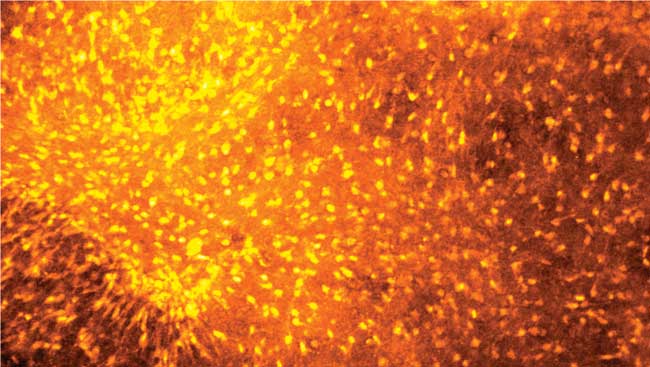 Video Annual Meeting Professional DevelopmentFunding is an essential element of research, and the mechanisms vary as much as the types of research. This workshop addresses what you can do to have a successful application.Jan 1, 2016
 -
 Article DiversityYou have the power to change a major issue affecting the neuroscience community: a lack of women in the upper ranks of academia.Dec 28, 2015
 -
 Article Scientific ResearchSince the days of Camillo Golgi and Santiago Ramón Y Cajal, light microscopes have provided neuroscientists a glimpse into the anatomy of the brain. Advances in the microscopes themselves and methods to stain and trace neurons have revealed various pathways and structures, as well as organization and hierarchies specific to certain brain regions.Dec 22, 2015
 -
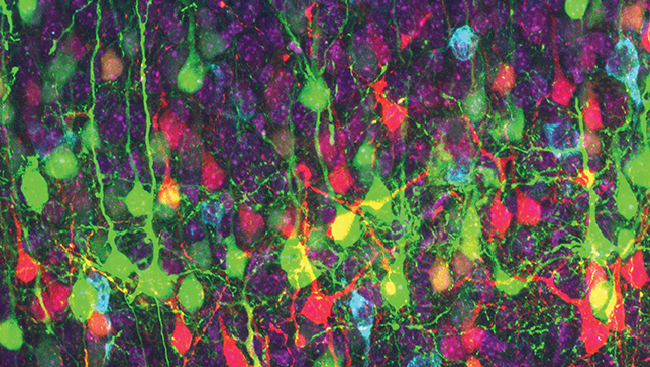 Webinar OutreachAre you interested in science advocacy but not sure where to start? SfN’s Early Career Policy Ambassadors Program could be right for you. Hear from members of the 2015 class discuss their year in the program, activities they’ve participated in, and how you can apply for the class of 2016.Dec 21, 2015
 -
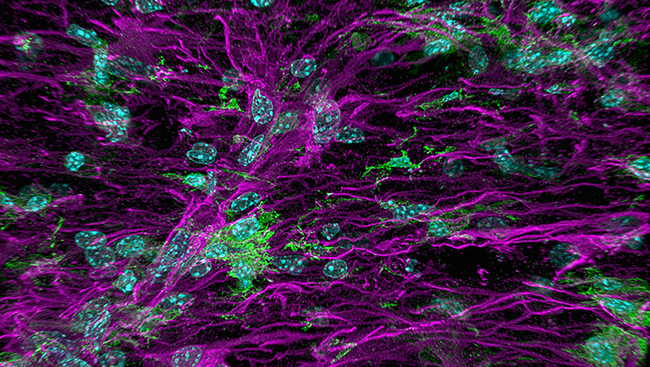 Article Professional DevelopmentFrom career advice to scientific research, these articles, videos, and podcasts offer guidance and insights to help you excel. Prepare for the new year now by catching up on these learning opportunities.Dec 21, 2015
 -
 Article OutreachThe elevator speech is a framework to talk about what you do — and ideally can be delivered in the length of time it takes to ride an elevator. This concise introduction to yourself and your research can set the stage for the rest of your conversation or presentation—or be the chat that gets you that next position. Whether you are in a scientific setting at a conference, meeting, or reception, or speaking to the public, elevator speeches are extremely useful. Here’s how to begin.Dec 21, 2015
 -
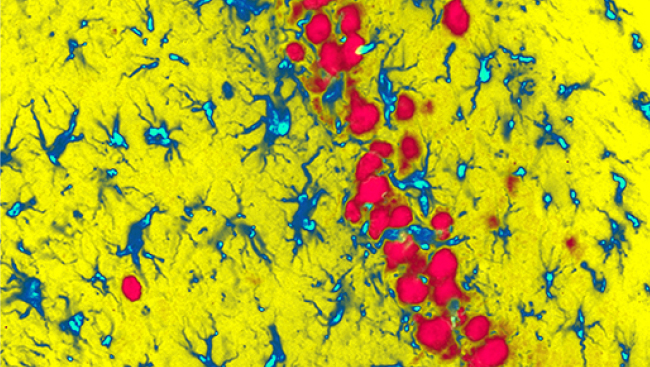 Article Scientific ResearchIn biomedical research, as in many aspects of life, things are not always as simple as they first seem. It’s easy to start barking up the wrong tree. Our recent work exposed one of those “trees” in multiple sclerosis (MS): We found that a specific protein called hypoxia-inducible factor-1α, or HIF-1α, is likely not a main culprit in MS. However, we did learn a lot about what HIF-1α does in disease processes in the nervous system.Dec 17, 2015
 -
 Article Scientific ResearchAs you review a manuscript, focusing on the quality of the work and the presentation of the paper will help you conduct a thorough and fair assessment.Dec 15, 2015




