



Filter
-
(133)
-
(733)
-
(4)
-
(1)
-
(47832)
-
(91)
-
(25)
-
(14)
-
(433)
-
(7)
-
(181)
-
(8)
-
(33)
-
(17)
-
(7)
-
(9)
-
(9)
-
(5)
-
(21)
-
(8)
-
(12)
-
(9)
-
(3)
-
(10)
-
(10)
-
(56)
-
(45)
-
(12)
-
(3)
-
(7)
-
(6)
-
(5)
-
(8)
-
(7)
-
(11)
-
(58)
-
(13)
-
(30)
-
(8)
-
(5)
-
(10)
-
(5)
-
(14)
-
(4)
1831 - 1840
of 52753 results
-
 Article DiversityA study examining student evaluations in France and the United States revealed the continued impact of implicit bias — the often-subtle discrimination based on cultural stereotypes — on evaluation of women and why it needs to be addressed. But what can actually be done? Anne Etgen, neuroscientist and professor emerita at Albert Einstein College of Medicine, comments on measures that can be taken in the neuroscience field.Apr 26, 2016
 -
Article CommunityA study examining student evaluations in France and the United States revealed the continued impact of implicit bias — the often-subtle discrimination based on cultural stereotypes — on evaluation of women and why it needs to be addressed. But what can actually be done? Anne Etgen, neuroscientist and professor emerita at Albert Einstein College of Medicine, comments on measures that can be taken in the neuroscience field.Apr 26, 2016
-
 Annual Meeting Video Scientific ResearchRigorous conduct of science is the cornerstone of the scientific endeavor, touching on established practices for experimental design, data analysis, and transparency, as well as other issues like publishing and funding pressures. Knowing how to address these issues is critical for a successful career in science. This workshop explores practical examples of the challenges and solutions in conducting rigorous science from the real-life examples of neuroscientists at various career stages. It focuses on development of the interpersonal, scientific, and technical skills necessary to address various issues in scientific rigor, such as what to do when you can't replicate a published result, how to get support from a mentor, and how to cope with various career pressures that might affect the quality of your science.Apr 26, 2016
 -
 Webinar Scientific ResearchProper data handling standards, including appropriate use of statistical tests are integral to rigorous and reproducible neuroscience research. Training in quantitative neuroscience is a specific area of emphasis for the BRAIN Initiative, and rigorous statistical analysis methods are included in the recent Proposed Principals and Guidelines for Reporting Preclinical Research endorsed by NIH and multiple scientific associations, journals, and societies. This webinar — the third in SfN’s Promoting Awareness and Knowledge to Enhance Scientific Rigor in Neuroscience series — will cover best practices in post-experimental data analysis.Apr 22, 2016
 -
 Article Scientific ResearchCircadian rhythms are altered by the aging process in humans and many other organisms.Apr 21, 2016
 -
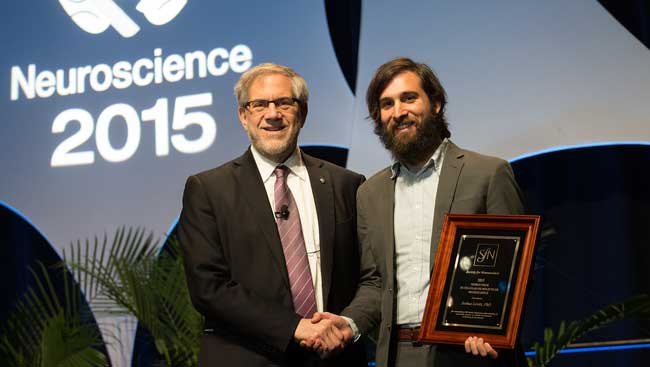 Article Professional DevelopmentJoshua Levitz has developed new approaches to study G protein-coupled receptors, a type of receptor found in cell membranes. He created a method to manipulate the activity of these receptors with synthetic chemical photo-switches.Apr 19, 2016
 -
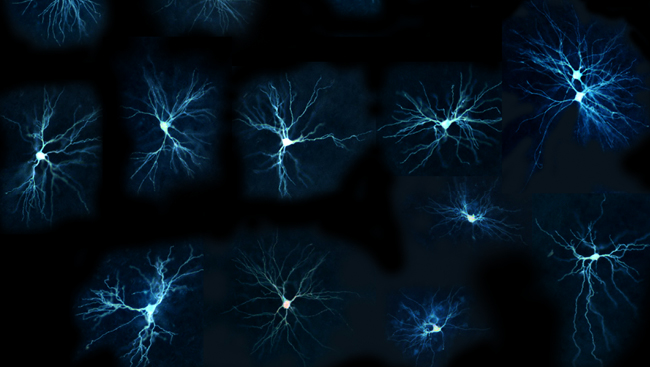 Article Professional DevelopmentIn its Gray Matters report, the United States Presidential Commission for the Study of Bioethical Issues underscored the importance of integrating ethics and neuroscience early and throughout the research endeavor.Apr 14, 2016
 -
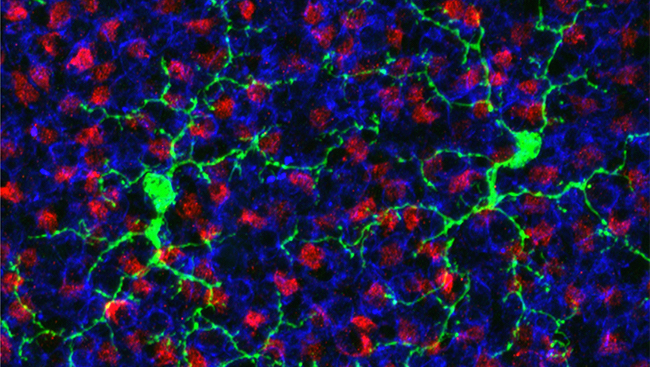 Article Scientific ResearchIn everyday life, emotional scenes captivate us, and we remember them more readily than ordinary scenes and events. Pathways that convey sensory signals reach neurons in the thalamus, which then convey the signals to the cerebral cortex, the brain’s outer rim.Apr 14, 2016
 -
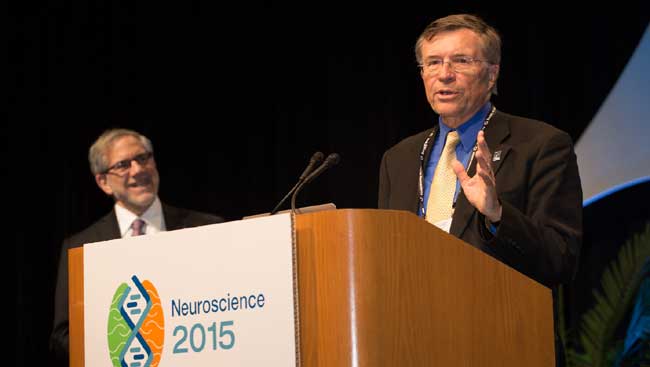 Article Professional DevelopmentTerrence Sejnowski of the Salk Institute for Biological Studies is a pioneer of computational and theoretical neuroscience. He developed artificial neural network models and learning models for birdsong and neuroeconomics. He also helped develop the algorithm for independent component analysis. For these and other accomplishments, Sejnowski received the Swartz Prize for Theoretical and Computational Neuroscience in 2015. Here he reflects on his career and where the field is headed.Apr 12, 2016
 -
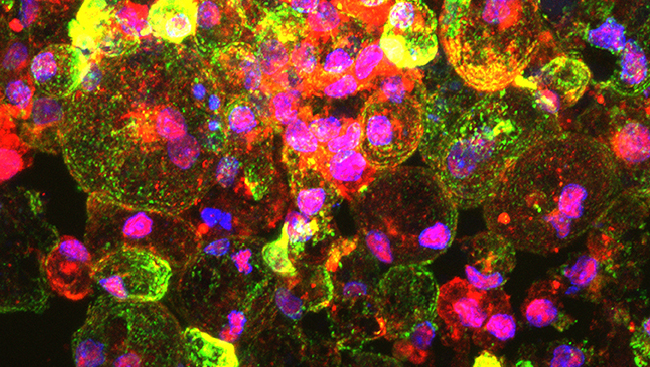 Article Scientific ResearchPeople with schizophrenia often persist in their beliefs and strategies even when evidence suggests they are wrong.Apr 7, 2016




