



Filter
-
(133)
-
(733)
-
(4)
-
(1)
-
(47832)
-
(91)
-
(25)
-
(14)
-
(433)
-
(7)
-
(181)
-
(8)
-
(33)
-
(17)
-
(7)
-
(9)
-
(9)
-
(5)
-
(21)
-
(8)
-
(12)
-
(9)
-
(3)
-
(10)
-
(10)
-
(56)
-
(45)
-
(12)
-
(3)
-
(7)
-
(6)
-
(5)
-
(8)
-
(7)
-
(11)
-
(58)
-
(13)
-
(30)
-
(8)
-
(5)
-
(10)
-
(5)
-
(14)
-
(4)
1761 - 1770
of 52753 results
-
 Article AdvocacyNW Noggin is an arts-and-science integrated outreach program that targets underserved communities in the Portland metropolitan area.Jul 19, 2016
 -
 Article Professional DevelopmentWhat is the benefit of doing a postdoc in another country? Why not just stay where you are?Jul 14, 2016
 -
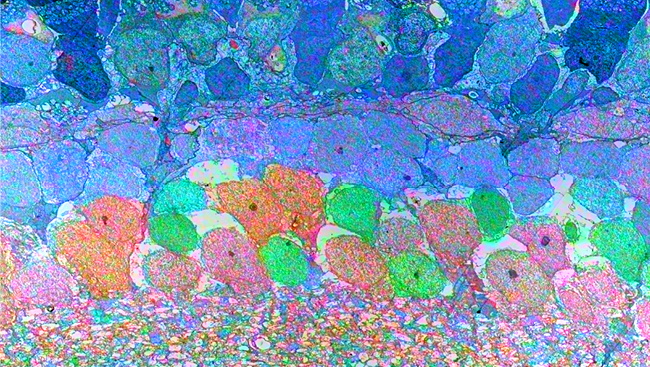 Article Scientific ResearchSpinocerebellar ataxia type 6 (SCA6) is a rare neurological disorder that typically manifests at mid-life and leads to progressive gait abnormalities.Jul 14, 2016
 -
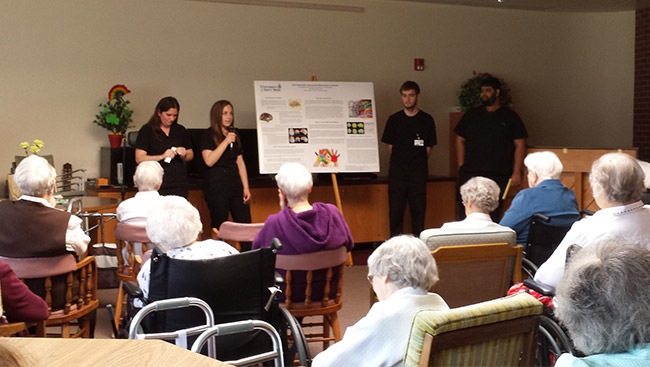 Article OutreachDoctorate of physical therapy (DPT) students at the University of Saint Mary in Leavenworth, Kansas, demonstrated their compassion and willingness to serve by bringing neuroscience into the community, which has developed a new appreciation for local engagement.Jul 12, 2016
 -
 Journal ArticleThe study of ideological asymmetries in empathy has consistently yielded inconclusive findings. Yet, until recently these inconsistencies relied exclusively on self-reports, which are known to be prone to biases and inaccuracies when evaluating empathy levels. Very recently, we reported ideological asymmetries in cognitive-affective empathy while relying on neuroimaging for the first time to address this question. In the present investigation which sampled a large cohort of human individuals from two distant countries and neuroimaging sites, we re-examine this question, but this time from the perspective of empathy to physical pain. The results are unambiguous at the neural and behavioral levels and showcase no asymmetry. This finding raises a novel premise: the question of whether empathy is ideologically asymmetrical depends on the targeted component of empathy (e.g., physical pain vs cognitive-affective) and requires explicit but also unobtrusive techniques for the measure of empathy. Moreover, the find...Nov 11, 2024
 -
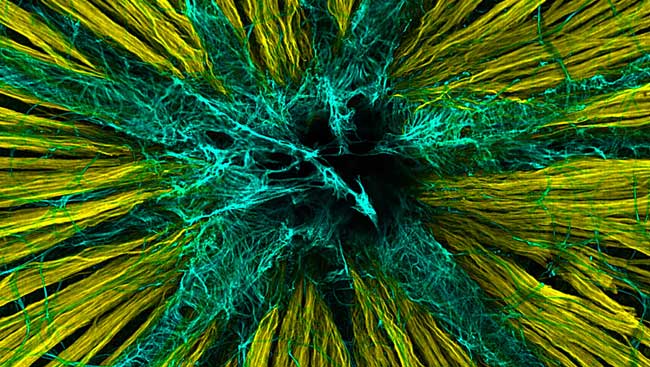 Annual Meeting Video Scientific ResearchBrain malformations, especially those affecting the cerebral cortex, are common causes of intellectual disability and epilepsy. Recent advances in genetics, imaging, and cell biology have substantially increased our knowledge of the mechanisms underlying cortical development and how it can go awry.Jul 8, 2016
 -
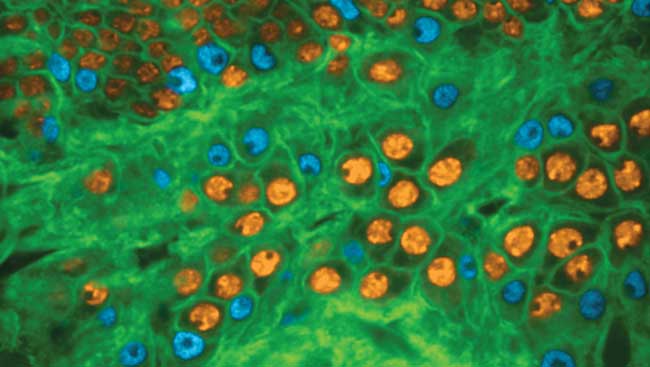 Article Scientific ResearchPerception of sensory stimuli, like sounds waves, is typically thought of as a unidirectional process: Sound waves hits the eardrum, and are then sensed by the inner ear, which conveys those auditory signals to the brain.Jul 7, 2016
 -
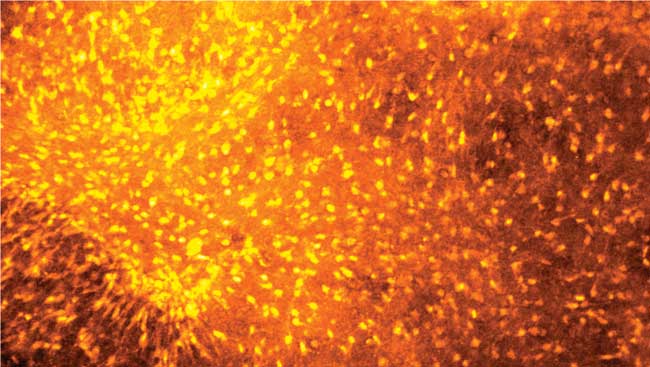 Article Scientific ResearchThe human brain is a complex organ, and the most sophisticated part of it may be the cerebral cortex.Jul 5, 2016
 -
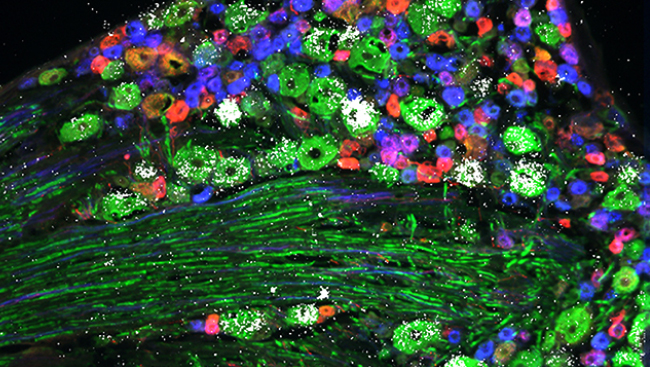 Article Scientific ResearchDynamic calcium imaging is an important technique. It can reveal information about the location of various calcium channels and calcium permeable receptors.Jun 30, 2016
 -
Article Scientific ResearchAnimals are sensitive to the range and intensity of chemical cues that determine their social behavior and survival in the wild.Jun 30, 2016




