



Filter
-
(133)
-
(733)
-
(4)
-
(1)
-
(47832)
-
(91)
-
(25)
-
(14)
-
(433)
-
(7)
-
(181)
-
(8)
-
(33)
-
(17)
-
(7)
-
(9)
-
(9)
-
(5)
-
(21)
-
(8)
-
(12)
-
(9)
-
(3)
-
(10)
-
(10)
-
(56)
-
(45)
-
(12)
-
(3)
-
(7)
-
(6)
-
(5)
-
(8)
-
(7)
-
(11)
-
(58)
-
(13)
-
(30)
-
(8)
-
(5)
-
(10)
-
(5)
-
(14)
-
(4)
1301 - 1310
of 52753 results
-
 Journal ArticleEarly psychosis (EP) is a critical period for psychotic disorders during which the brain undergoes rapid and significant functional and structural changes(Shinn et al., 2017). The Human Connectome Project (HCP) is a global effort to map the human brain's connectivity in health and disease. Here we focus on HCP-EP subjects (i.e., those within five years of the initial psychotic episode) to determine macro- and micro-structural alterations in EP (HCP-EP sample, n=179: EP, n=123, Controls, n=56) and their association with clinical outcomes (i.e., symptoms severity) in HCP-EP. We carried out analyses of Deformation-Based-Morphometry (DBM), scalar indices from the Diffusion Tensor Imaging (DTI), and Tract-Based Spatial Statistics (TBSS). Lastly, we conducted correlation analyses focused on the midbrain (DBM and DTI) to examine associations between its structure and clinical symptoms. Our results show that the midbrain displays robust alteration in its structure (DBM and DTI) in the voxel-based analysis. Complim...Mar 3, 2025
 -
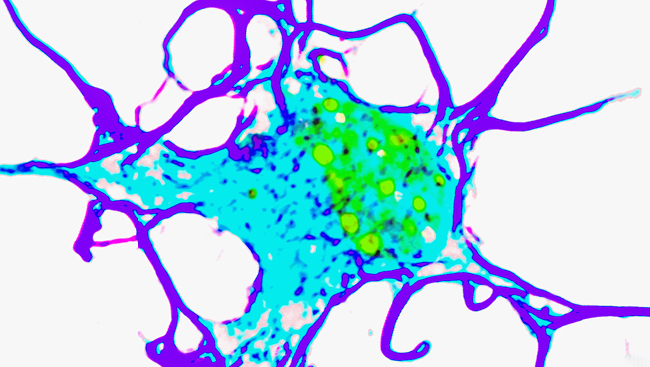 Article Scientific ResearchOrganelles are specialized subcellular structures that serve specific functions in all eukaryotic cells.May 23, 2018
 -
 Annual Meeting Video OutreachNeuroscience research regularly intersects with concepts of human nature, identity, free will, and other philosophical and religious topics. This Neuroscience 2017 Social Issues Roundtable explores paradigms for constructive engagement with diverse and religious audiences. Panelists examine tensions and domains of confluence between scientific and faith perspectives, the underlying values and assumptions in scientific research, and the role of cross-cultural dialogue on science education, practice and policy.May 22, 2018
 -
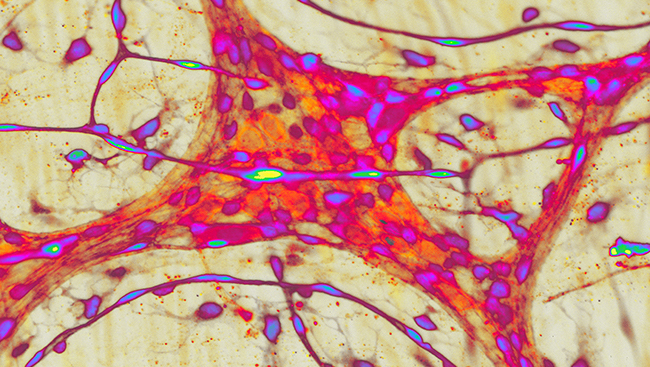 Article Scientific ResearchMaterial below summarizes the article, Working Memory Replay Prioritizes Weakly Attended Events, published on August 14, 2017, in eNeuro and authored by Anna Jafarpour, Will Penny, Gareth Barnes, Robert T. Knight, and Emrah Duzel. Working memory is a system with limited capacity that supports keeping information in mind for a short duration. Two important questions are: One, what are the mechanisms by which information is retained during the gap between encoding and recall (that is, the maintenance period), and two, how is information within working memory prioritized? These are often studied with a cuing procedure in which subjects are prompted to focus on one item. For example, if an event in a sequence of three events is cued, the cued event can be decoded during maintenance. In this study, we investigated how the information about a sequence of multiple events is retained without cueing.May 17, 2018
 -
Journal ArticleEvolutionary pressures adapted insect chemosensation to their respective physiological needs and tasks in their ecological niches. Solitary nocturnal moths rely on their acute olfactory sense to find mates at night. Pheromones are detected with maximized sensitivity and high temporal resolution through mechanisms that are mostly unknown. While the inverse topology of insect olfactory receptors and heteromerization with the olfactory receptor coreceptor suggest ionotropic transduction via odorant-gated receptor–ion channel complexes, contradictory data propose amplifying G-protein–coupled transduction. Here, we used in vivo tip-recordings of pheromone-sensitive sensilla of male Manduca sexta hawkmoths at specific times of day (rest vs activity). Since the olfactory receptor neurons distinguish signal parameters in three consecutive temporal windows of their pheromone response (phasic; tonic; late, long-lasting), respective response parameters were analyzed separately. Disruption of G-protein–coupled transdu...Mar 1, 2025
-
 Journal ArticleDelayed motor development is an early clinical sign of fetal alcohol spectrum disorders. However, changes at the neural circuit level that underlie early motor differences are underexplored. The striatum, the principal input nucleus of the basal ganglia, plays an important role in motor learning in adult animals, and the maturation of the striatal circuit has been associated with the development of early motor behaviors. Here, we briefly exposed pregnant C57BL/6 dams to ethanol (5% w/w) in a liquid diet on embryonic days 13.5–16.5 and assessed the mouse progeny using a series of nine brief motor behavior tasks on postnatal days 2–14. Live brain slices were then obtained from behaviorally tested mice for whole-cell voltage- and current-clamp electrophysiology to assess GABAergic/glutamatergic synaptic activity and passive/active properties in two populations of striatal neurons: GABAergic interneurons and spiny striatal projection neurons. Electrophysiologically recorded spiny striatal projection neurons we...Mar 1, 2025
 -
 Journal ArticleZebrafish have gained prominence as a model organism in neuroscience over the past several decades, generating key insight into the development and functioning of the vertebrate brain. However, techniques for whole-brain mapping in adult stage zebrafish are lacking. Here, we describe a pipeline built using open-source tools for whole-brain activity mapping in adult zebrafish. Our pipeline combines advances in histology, microscopy, and machine learning to capture c-fos activity across the entirety of the brain. Following tissue clearing, whole-brain images are captured using light-sheet microscopy and registered to the recently created adult zebrafish brain atlas (AZBA) for automated segmentation. By way of example, we used our pipeline to measure brain activity after zebrafish were subject to the novel tank test, one of the most widely used behaviors in adult zebrafish. c-fos levels peaked 15 min following behavior and several regions, including those containing serotoninergic and dopaminergic neurons, we...Mar 1, 2025
 -
 Journal ArticleAlexander disease (AxD) is a rare neurological disorder caused by dominant gain-of-function mutations in the gene for glial fibrillary acidic protein. Expression of mutant protein results in astrocyte dysfunction that ultimately leads to developmental delay, failure to thrive, and intellectual and motor impairment. The disease is typically fatal, and at present there are no preventative or effective treatments. To gain a better understanding of the link between astrocyte dysfunction and behavioral deficits in AxD, we have recently developed a rat model that recapitulates many of the clinical features of the disease, including failure to thrive, motor impairment, and white matter deficits. In the present study, we show that both male and female AxD model rats exhibit a neurodegenerative profile with a progressive neuroinflammatory response combined with reduced expression of synaptic and mitochondrial proteins. Consistent with these results, AxD rats show reduced hippocampal long-term potentiation and are c...Mar 1, 2025
 -
 Journal ArticleAnterior–posterior interactions in the alpha band (8–12 Hz) have been implicated in various functions including perception, attention, and working memory. The underlying neural communication can be flexibly controlled by adjusting phase relations when activities across anterior–posterior regions oscillate at a matched frequency. We thus investigated how alpha oscillation frequencies spontaneously converged along anterior–posterior regions by tracking oscillatory EEG activity while participants rested. As more anterior–posterior regions (scalp sites) frequency-converged, the probability of additional regions joining the frequency convergence increased, and so did oscillatory synchronization (i.e., oscillatory power) at participating regions, suggesting that anterior–posterior frequency convergences are driven by inter-regional entrainment. Notably, frequency convergences were accompanied by two types of approximately linear phase gradients, one progressively phase lagged in the anterior direction, the poste...Mar 1, 2025
 -
 Journal ArticleNeuroligins (NLGNs) are a family of postsynaptic adhesion molecules that bind to their presynaptic partners, neurexins, facilitating the formation and maintenance of synapses. In humans, there are five genes encoding NLGNs ( NLGN1-3 , NLGN4X , and NLGN4Y ), with NLGN1-3 having highly conserved counterparts in rodents, allowing these genes to be studied with high confidence of translational validity in mouse models. Human NLGN4X and 4Y were often assumed to serve similar functions because they share a 97% sequence homology, whereas mouse NLGN4-like is quite divergent. Many NLGN-mediated synaptic effects are modulated through post-translation modifications, which exert temporal and spatial control. In this report, we characterize a conserved phosphorylation site, serine 712, on NLGN4X and 4Y. Despite serine 712 being located in a highly conserved region between NLGN4X and 4Y, we observed kinase specificity. PKA exclusively phosphorylates NLGN4X S712, whereas Cdk5 phosphorylates S712 on both NLGN4X and 4Y. NL...Mar 1, 2025




